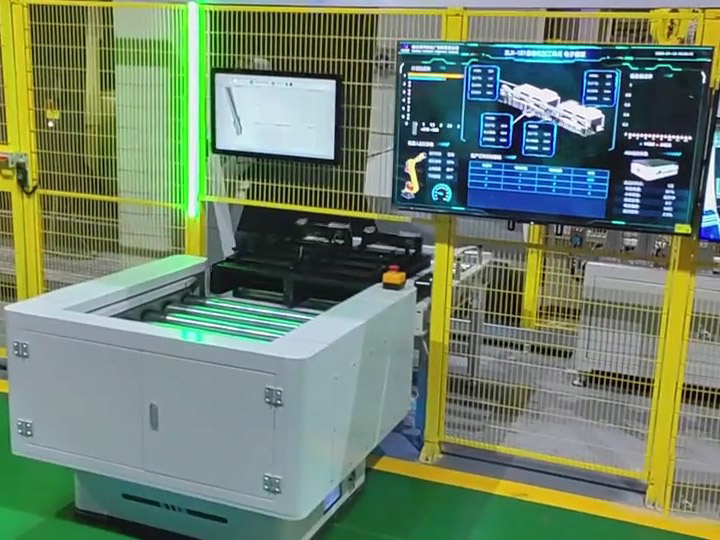
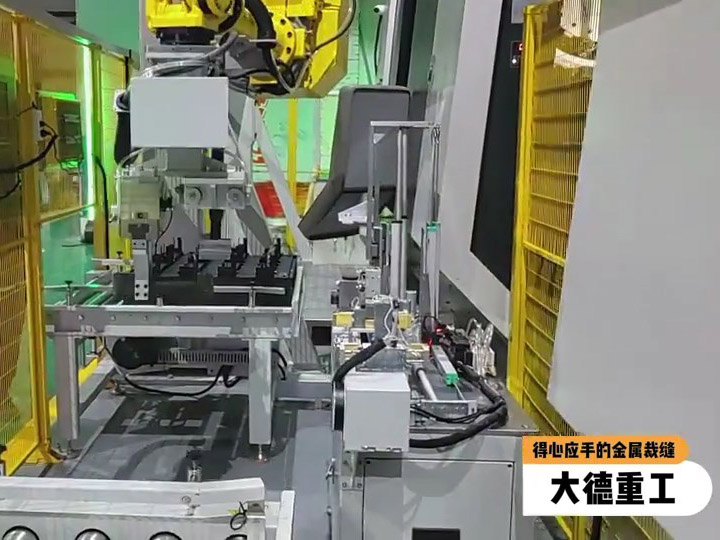
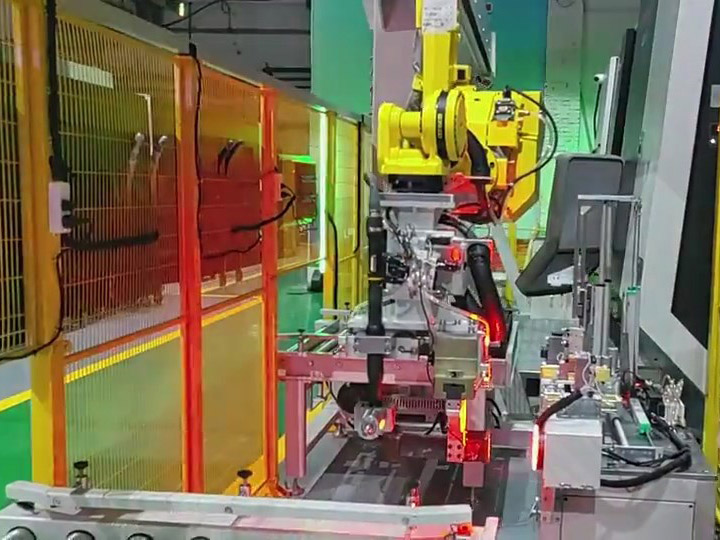
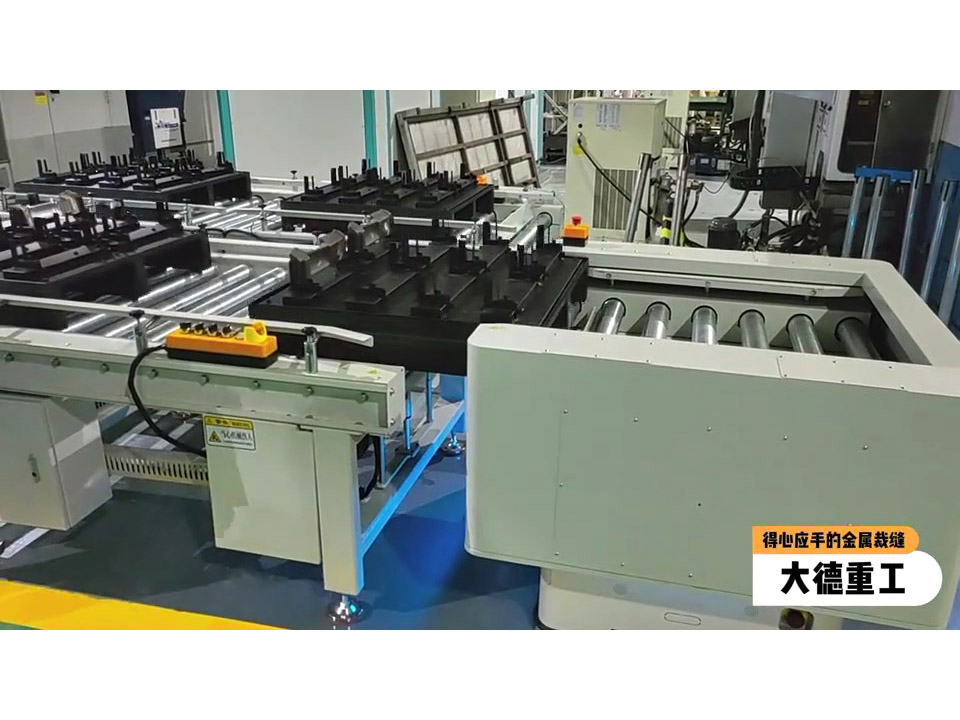
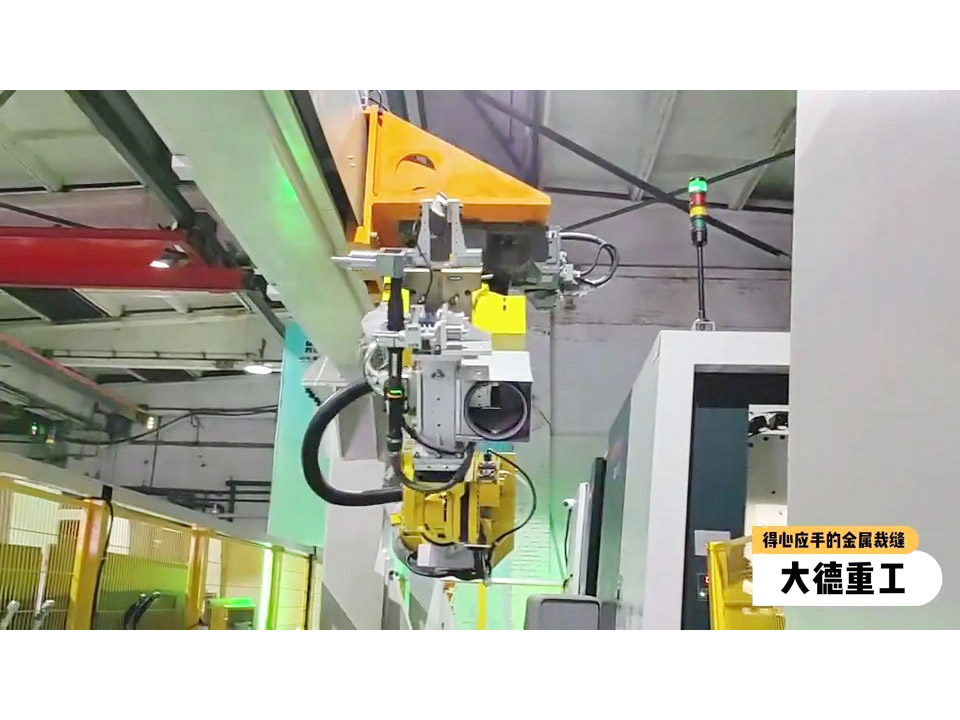
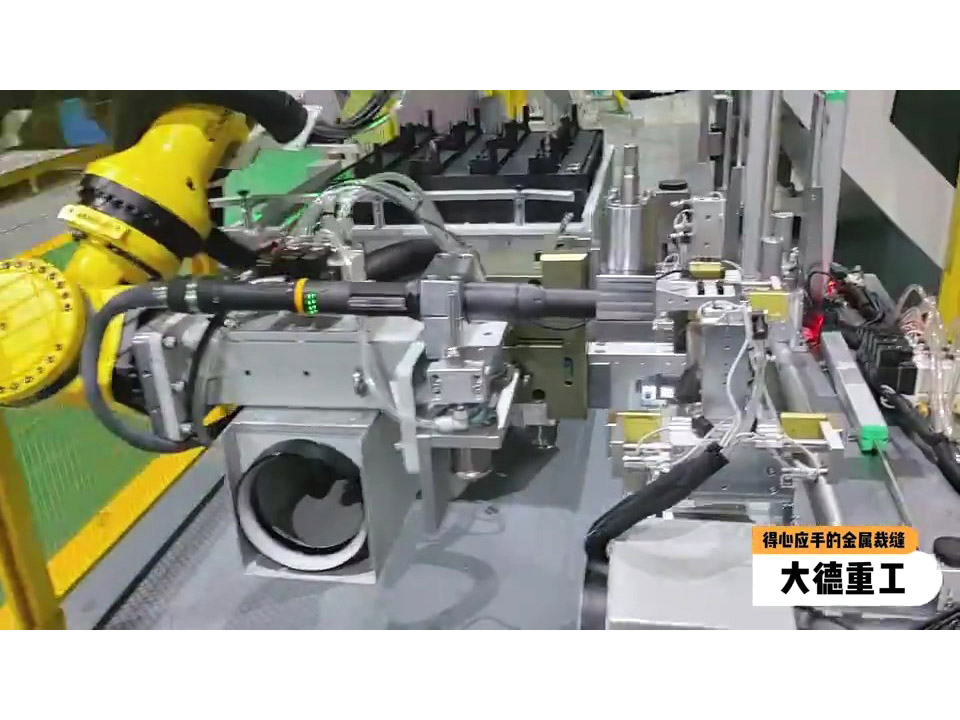
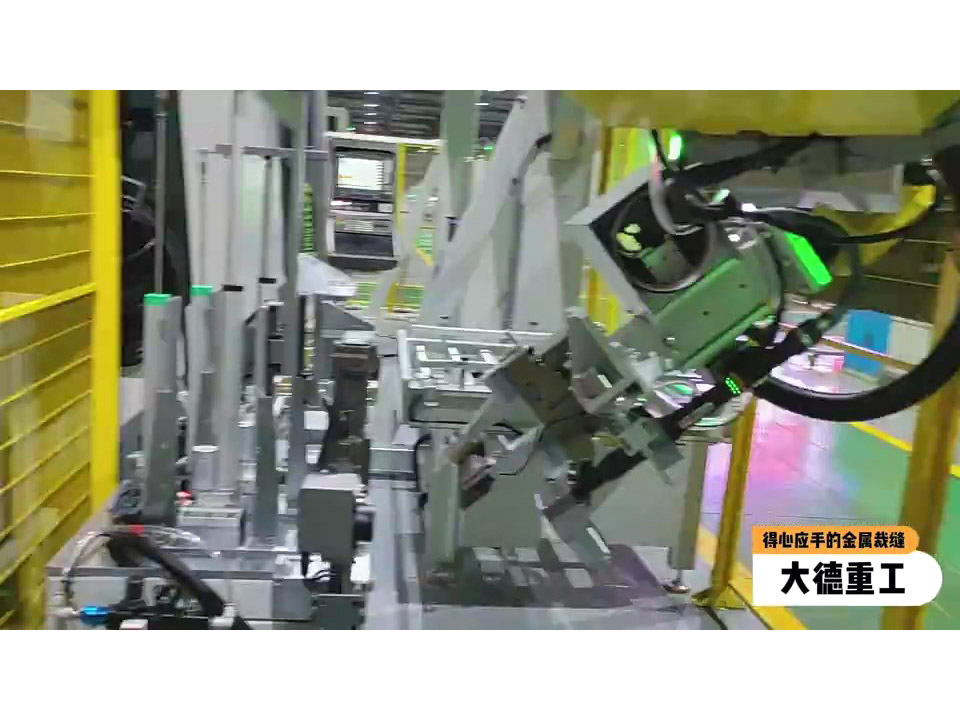
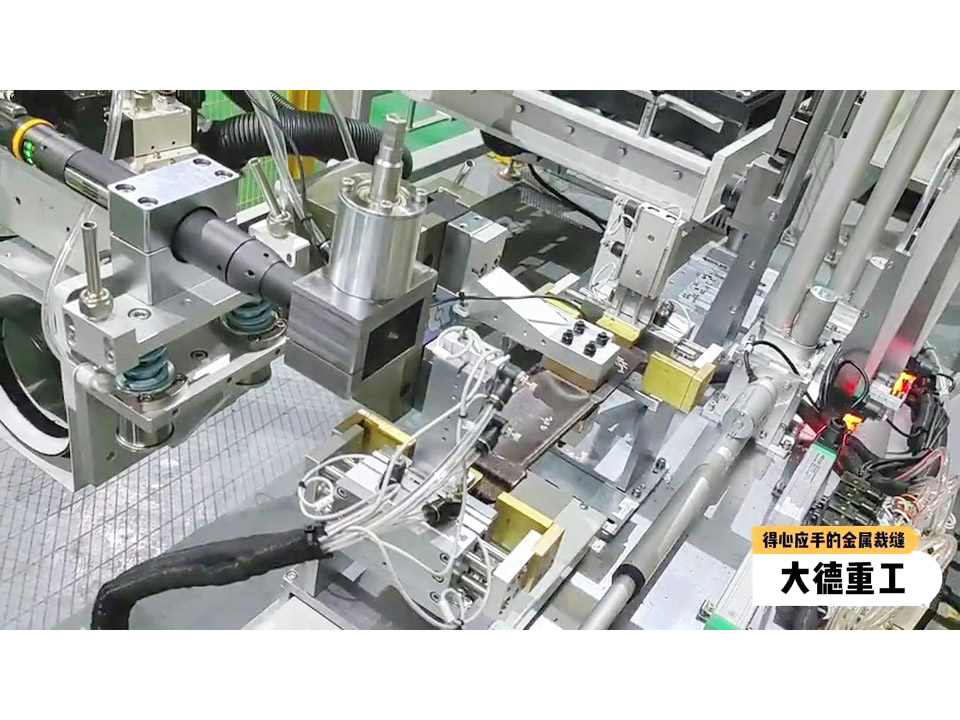
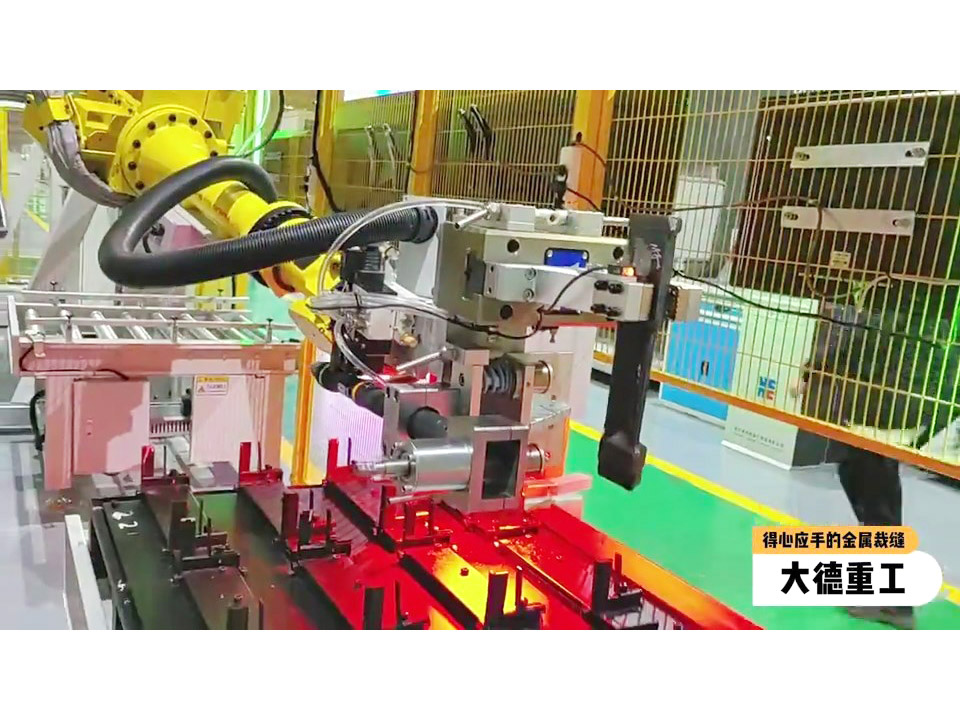
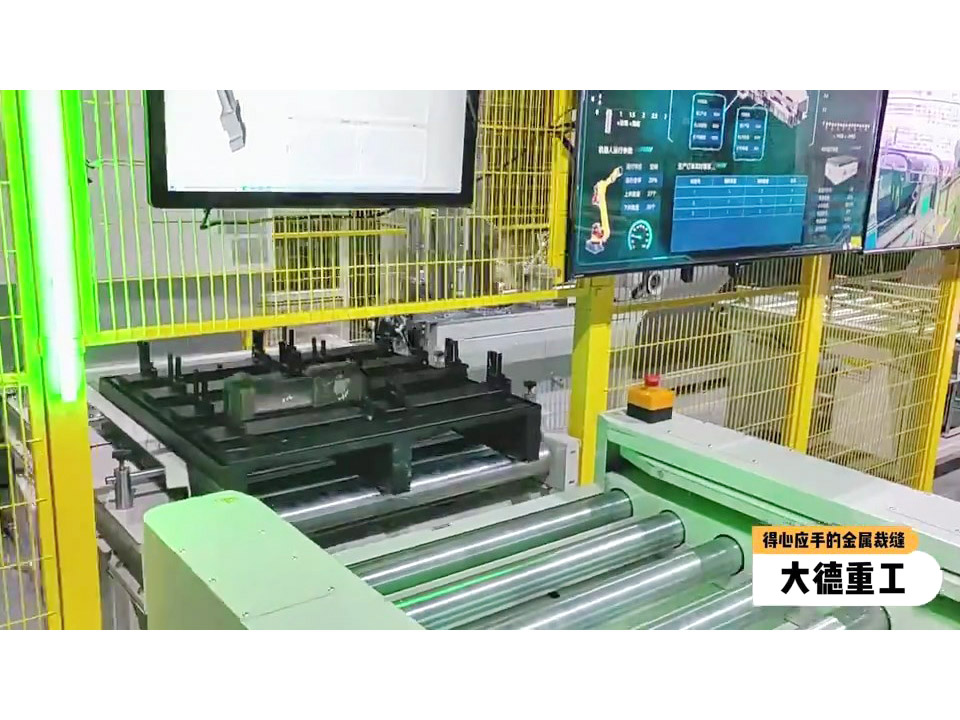
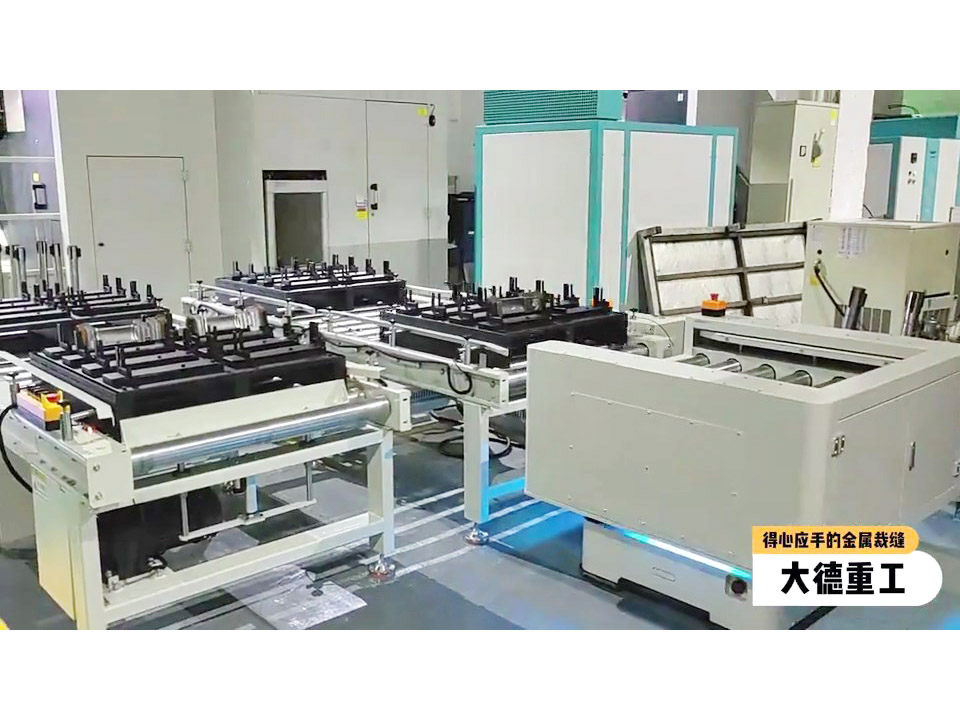
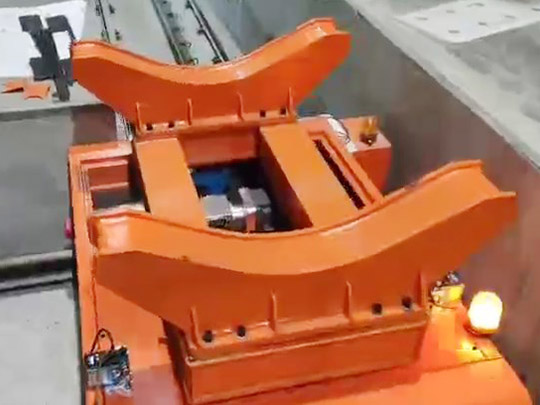
The complete automated production cell consists of existing machine tool control systems and in-machine measurement systems, along with newly implemented material handling systems, automatic loading/unloading systems, machining process tool monitoring systems, tool life monitoring systems, and safety protection systems. This integrated setup enables human-machine collaborative operations, material data collection and traceability, automated material transfer, and seamless production connectivity.
Key Features and Benefits
-
Increased Efficiency: Machine loading robots can operate continuously without fatigue, leading to increased production rates. For instance, Alfarobot highlights that these robots can speed up production by up to ten times while minimizing worker injuries.
-
Precision and Accuracy: Equipped with advanced end-of-arm tooling and vision systems, these robots can handle delicate parts with precision. This capability reduces product damage and ensures consistent quality.
-
Flexibility: Modern machine loading robots, such as those from Sherpa Robotics, are designed to handle a variety of materials and batch sizes. This flexibility allows manufacturers to adapt quickly to changing production needs.
-
Cost-Effectiveness: With reduced labor costs and increased uptime, the return on investment for machine loading robots is significant. As noted by HuazhongCNC, these robots require minimal maintenance and offer long operational lifespans.