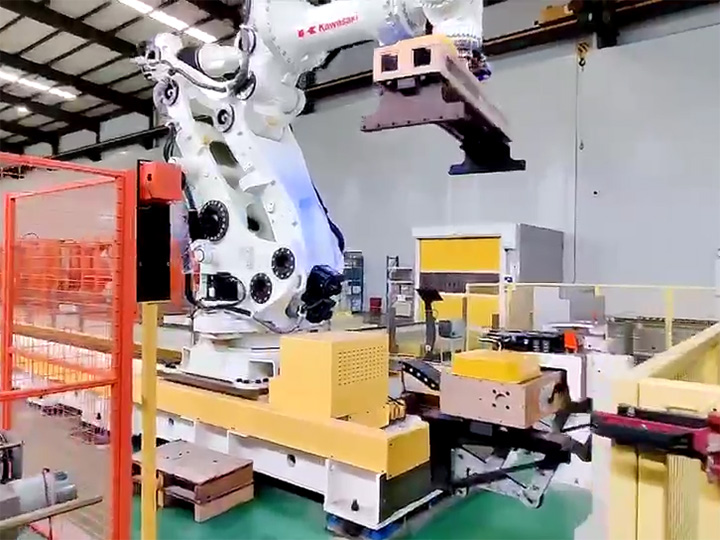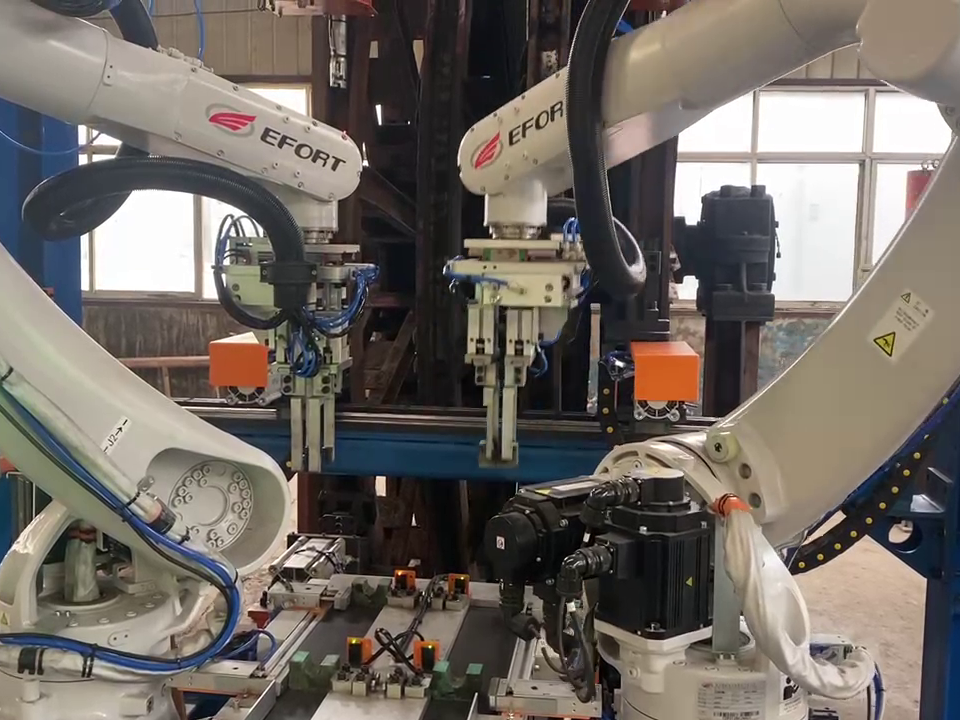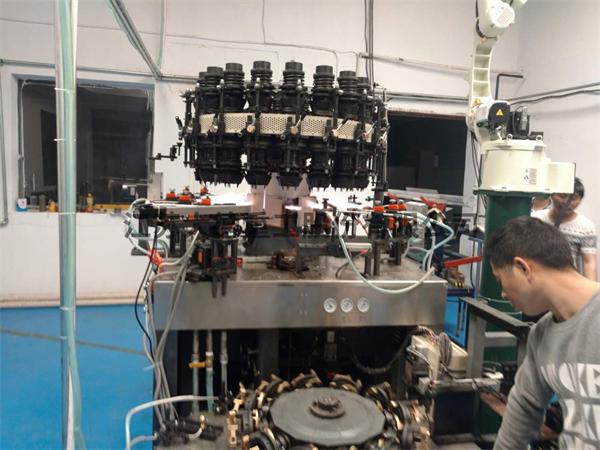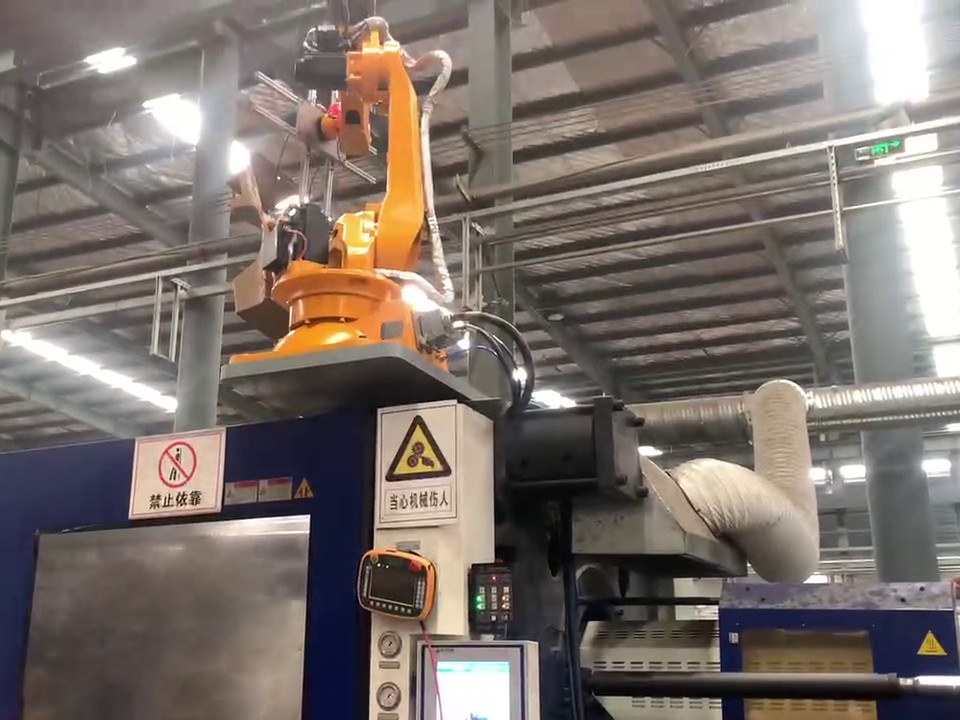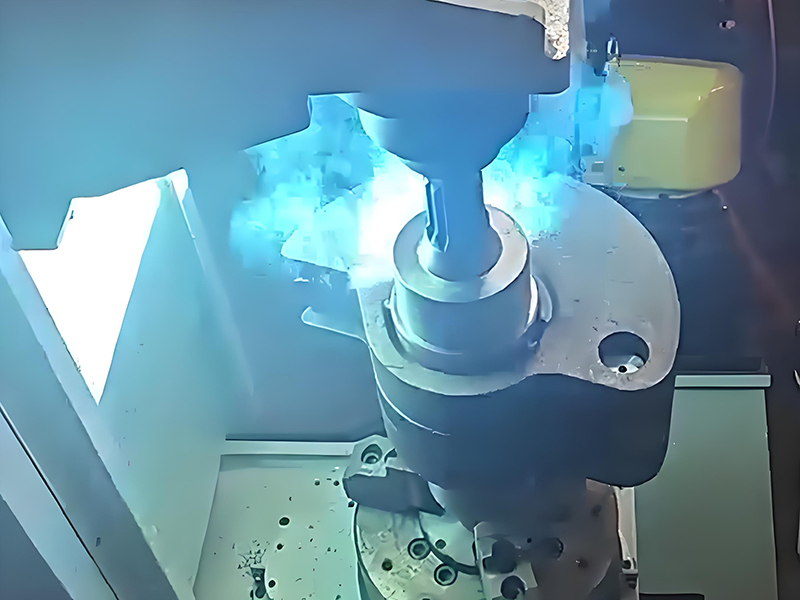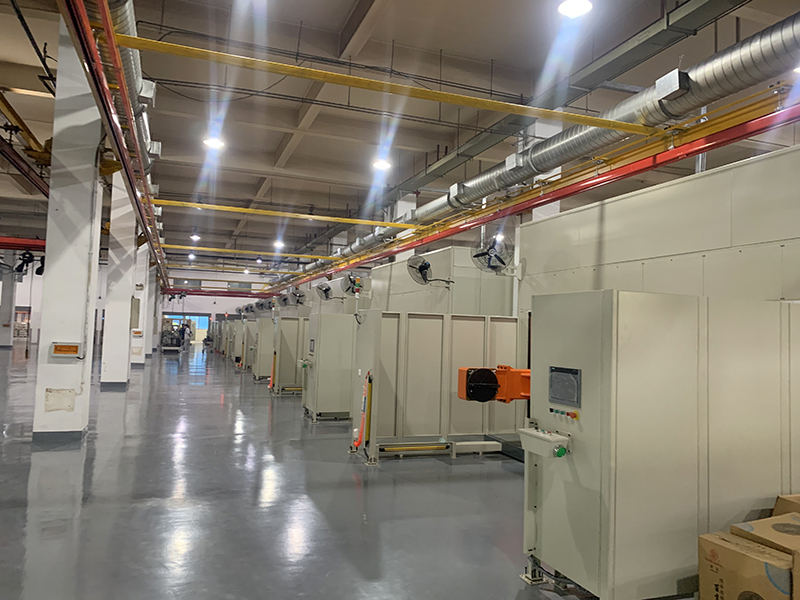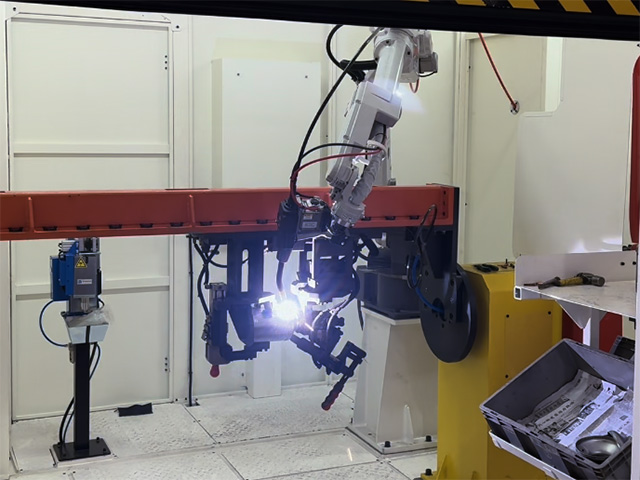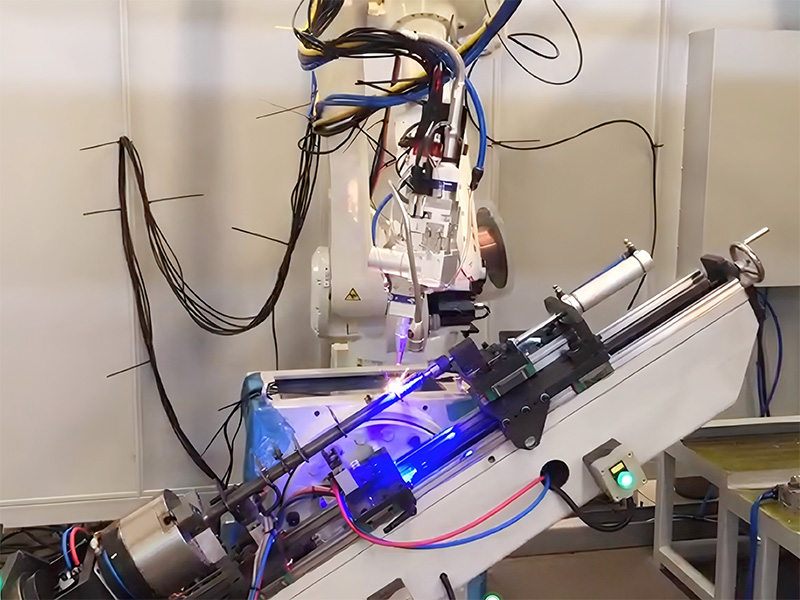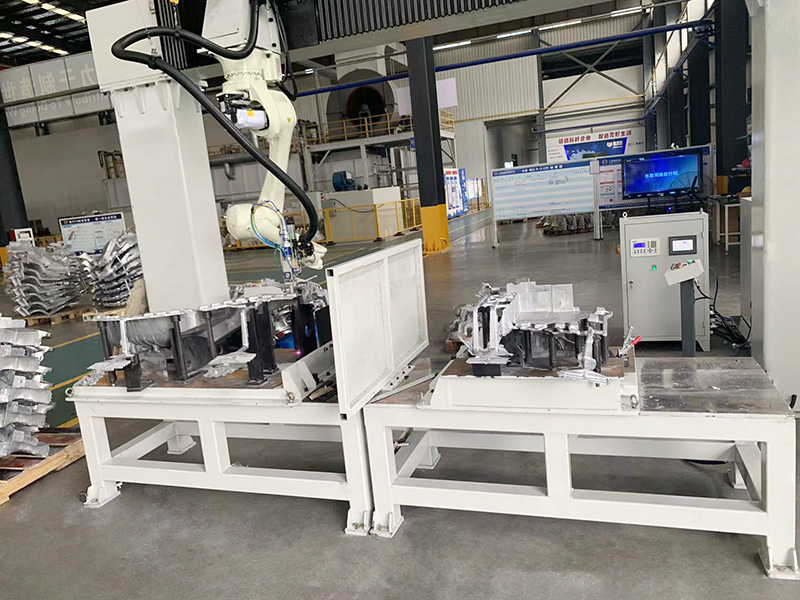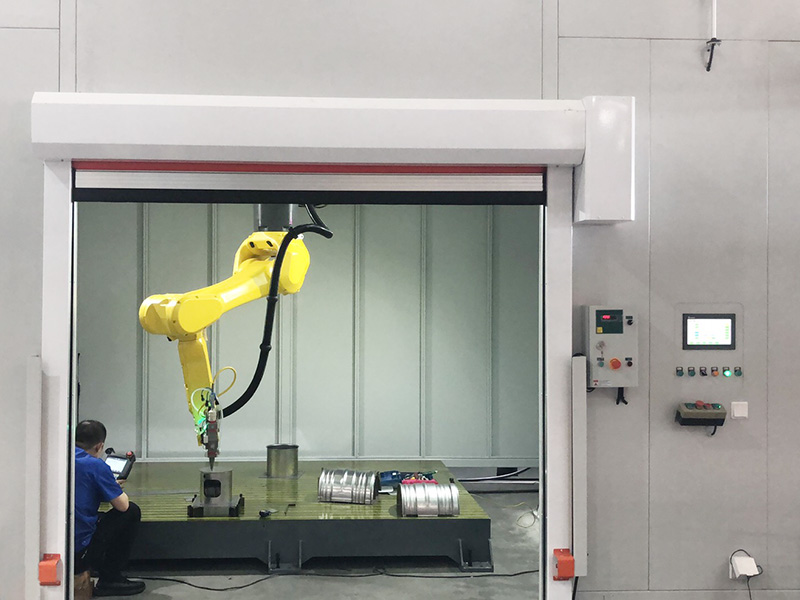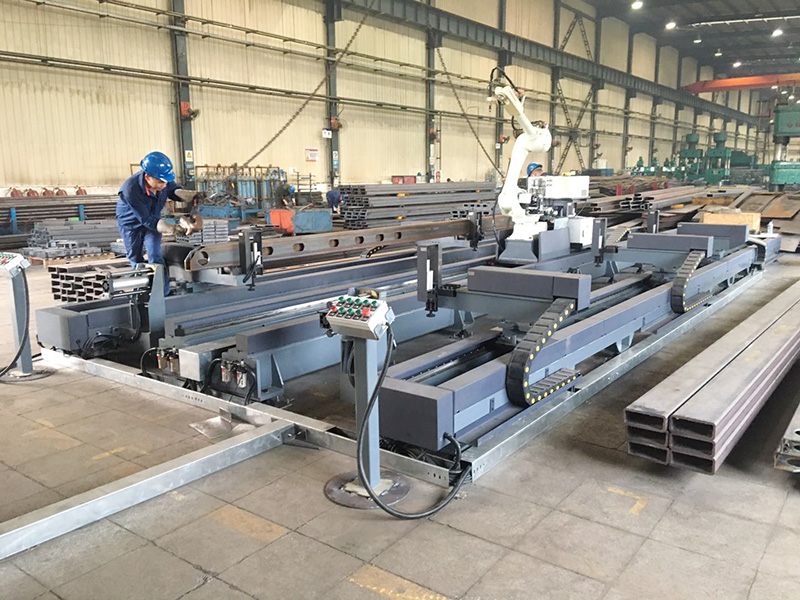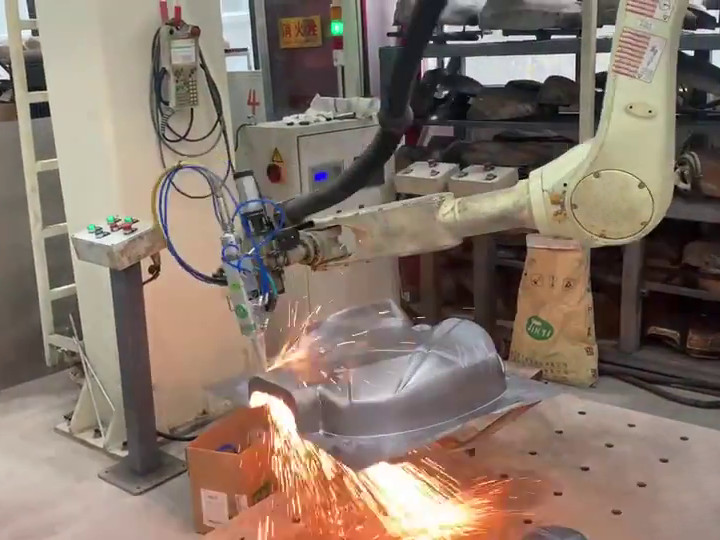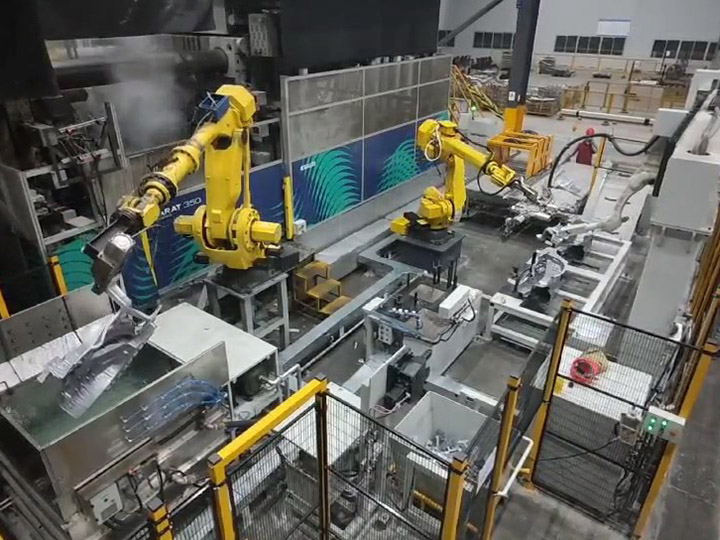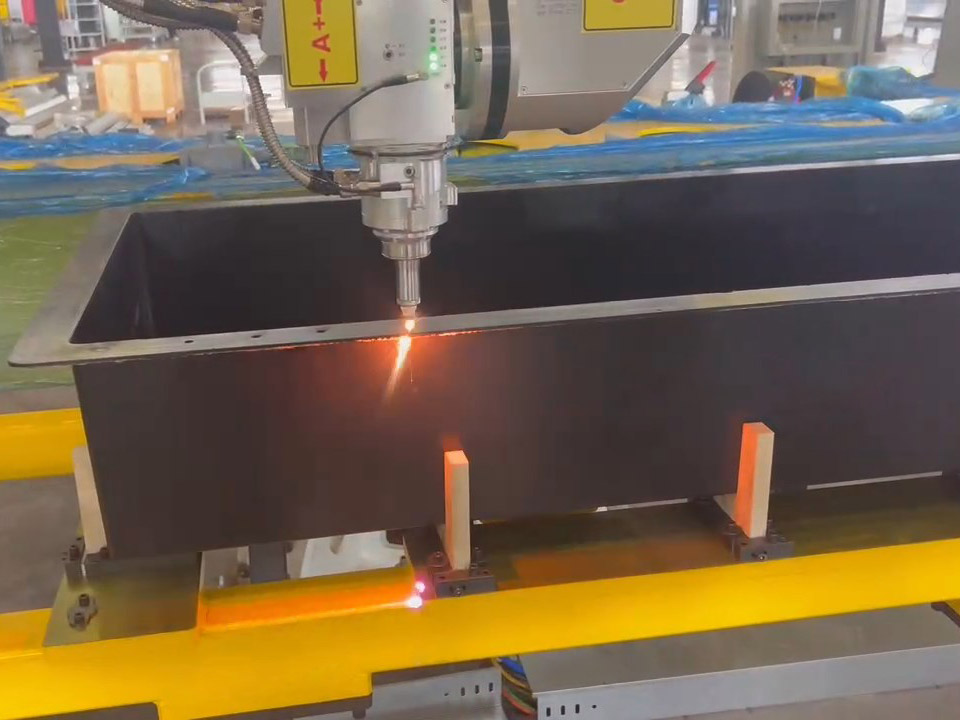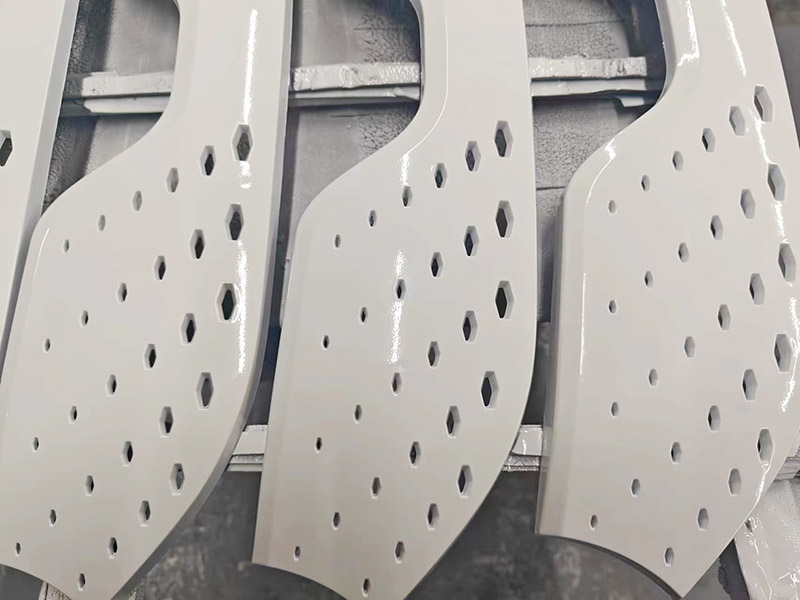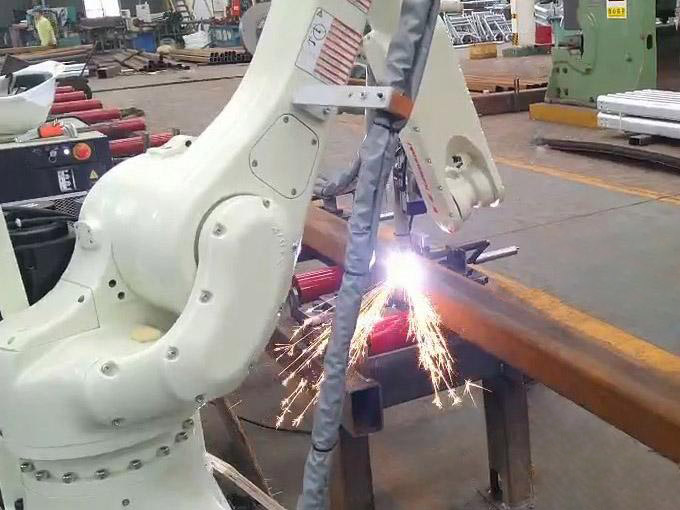







APPLICATION


APPLICATION
ABOUT US
Jiangsu Dade Heavy Industry Co., Ltd. (stock code: 870547) is a high-tech enterprise with independent knowledge industry that integrates research and development, manufacturing, sales and services. The company has a registered capital of 13 million yuan, total assets of approximately 150 million yuan, and nearly 600 employees. It is located in Sunshine Industrial Park, Xishan District, Wuxi City, Jiangsu Province, covering an area of 100000 square meters.


CASE
CERTIFICATE

EMS certificate

OHSMS certificate

Patent for invention

Patent for invention

Patent for invention

Patent for invention

Patent for invention

Patent for invention

Kawasaki proxy certificate 2025

IATF quality management system certificate

Quality management system certification
NEWS
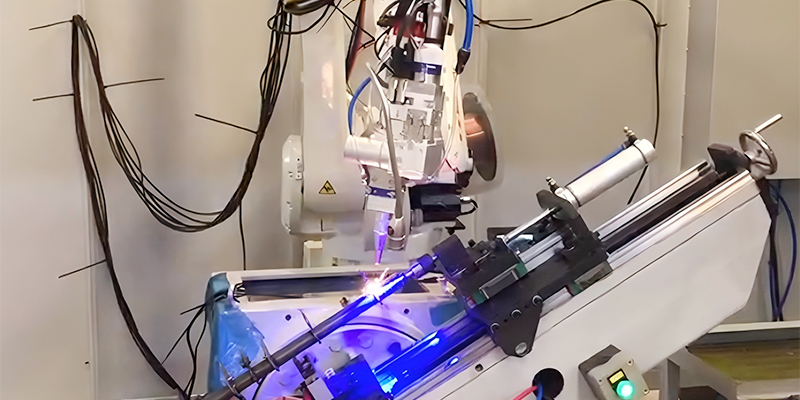
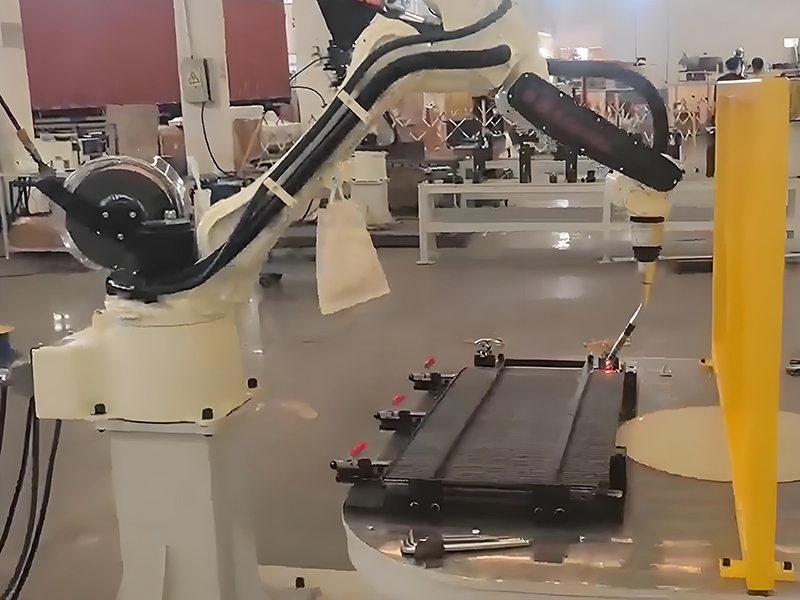
A welding machine is more than a transformer and a torch. Between the incoming supply and the welding circuit sits a switching device that starts and stops the weld current, and in most production machines that device is a contactor. This article looks at the contactor's role inside a welding machine, how it is wired and controlled, and why vacuum contactors have become the preferred type. Where the Contactor Sits in the Machine In an AC resistance welding machine, the contactor connects the supply to the primary winding of the welding transformer. Close the contactor and the transformer is energized; open it and the weld circuit goes dead. The welding controller times the weld precisely, but the contactor is the device that physically makes and breaks the pow...
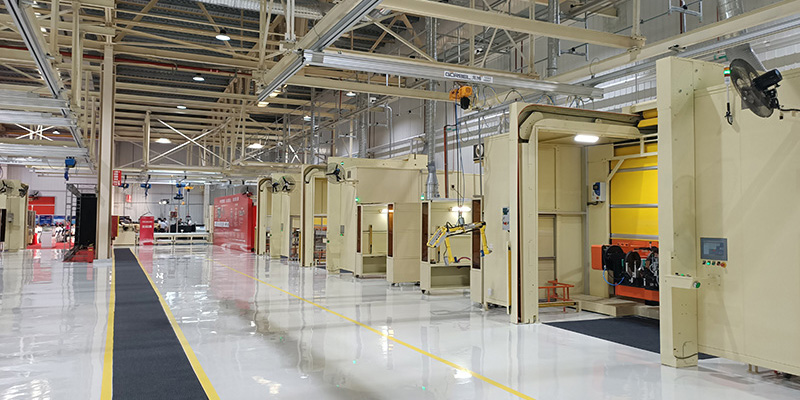
Resistance welding is a brutal duty for any switching device. A spot welder makes and breaks its welding circuit hundreds of times an hour, every hour, and each operation interrupts a heavy inductive current. That is why vacuum contactors have become the standard choice for resistance welding machines: they switch reliably, wear slowly, and need almost no maintenance. This article explains what a vacuum contactor does in a resistance welding circuit and how to size one correctly. Why Resistance Welding Is Hard on Switching A resistance welding machine steps mains voltage down to a few volts and steps the current up to thousands of amps at the electrodes. The switching device sits on the primary side of the welding transformer, where it opens and closes the circuit...
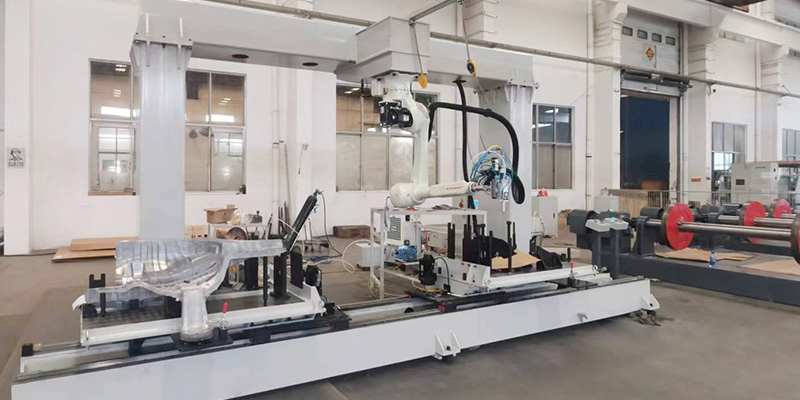
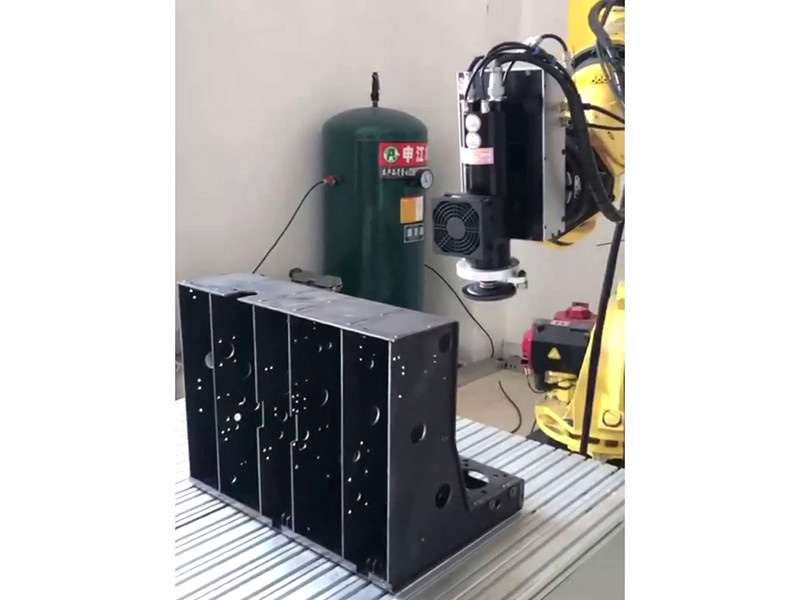
2D laser cutting machines trim flat sheets. 3D laser cutting machines trim the parts after they are formed: stamped panels, extruded profiles, tubes and castings. It is the process behind trimmed automotive body parts, chassis rails and hydroformed components, and it removes the need for hard trimming dies. This article explains how 3D laser cutting works, what the machines look like, and where it pays. What 3D Laser Cutting Means In 3D laser cutting, the laser head moves along the surface of a three-dimensional part and follows a programmed path, keeping the beam at the correct angle to the material. The part sits on a fixture that locates it precisely, because the program assumes the part is exactly where the fixture put it. The cut can be a trim line, a hole, a...
2026-10-12
Plasma Cutting: How It Works, Equipment And Applications2026-10-09
Ship Welding: Processes, Standards And Automation In Shipyards2026-10-05
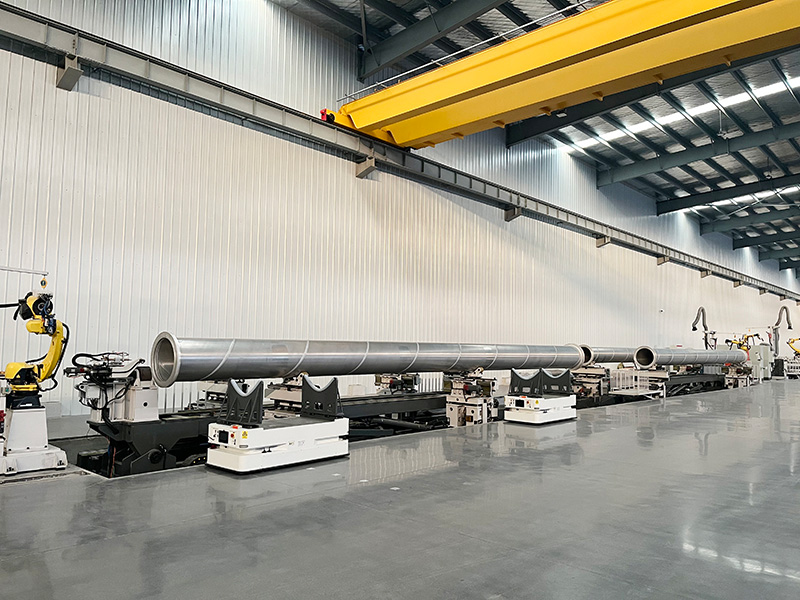
Pipe Welding: Processes, Equipment And Quality Control2026-10-02
Chassis Welding: Methods, Quality Control And Automation2026-09-28
MACHINE PURCHASE GUIDE AND SERVICES
 Pre-Purchase Analysis
Before purchasing, please provide the Application drawings or samples you intend to process. Our professional engineering team will conduct a technical analysis and evaluation.
 Solution Proposal
Based on your Application processing requirements, our engineers will recommend the most suitable equipment and corresponding fixture solutions.
 Equipment Purchase
Once satisfied, you may sign a purchase contract and join our esteemed customer network.
 Equipment Delivery
Within the agreed delivery period, we will transport the highest-quality Applications to your factory for on-site handover.
 Installation Debugging
Upon arrival, our professional engineers will install, debug, and provide essential operational guidelines.
 Technical Guidance
Our engineers will offer technical training to your operators to ensure the processed Applications meet desired specifications.

We provide one-on-one consultative services, offering industry and equipment-related information.
1. Our sales team will thoroughly understand your processing needs and tailor equipment solutions accordingly.
2. We provide industry insights to help you stay informed about market trends.

After signing the contract (or upon purchase intent), we offer comprehensive support.
1. Customized processing solutions and machine selection based on your Application characteristics and Applicationion capacity.
2. Services including cycle time analysis, equipment selection, fixture design, factory layout planning, and free sample processing.
3. Zero-basics technical training. Our engineers will train your operators to meet processing requirements.

Service Commitment: Continuously providing Application consultations, technical guidance, and training is the cornerstone of our development.
MESSAGE