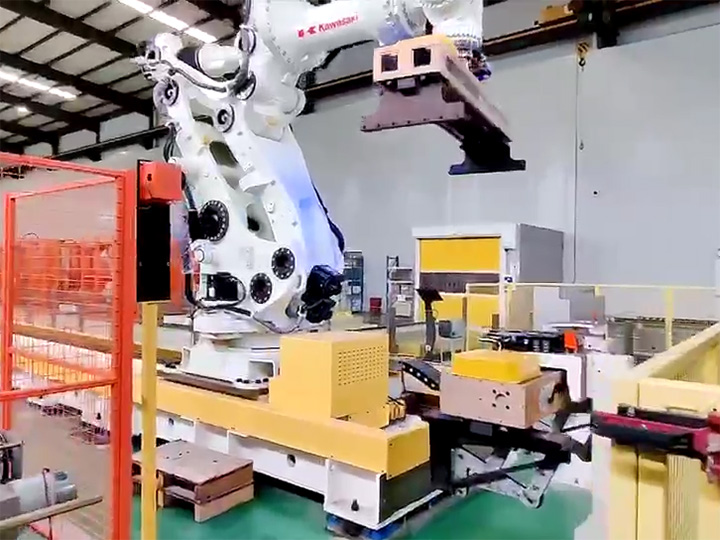
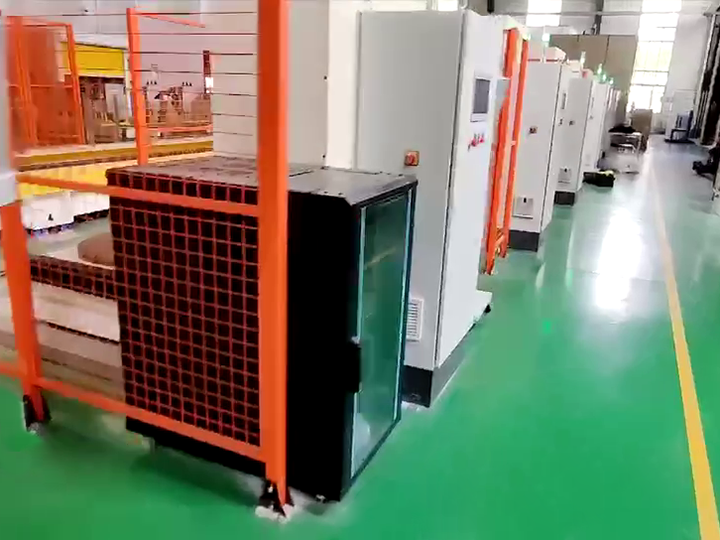
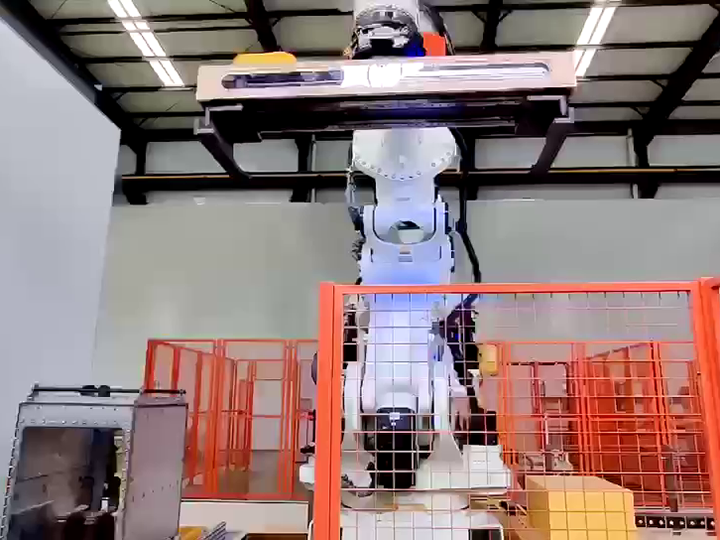
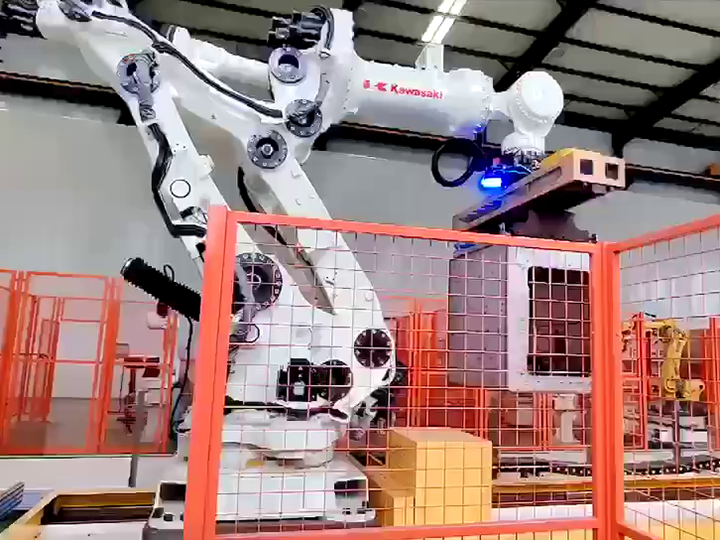
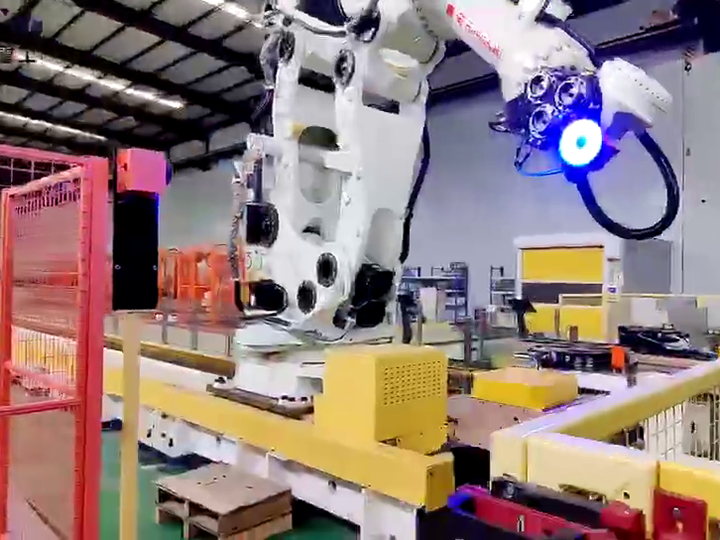
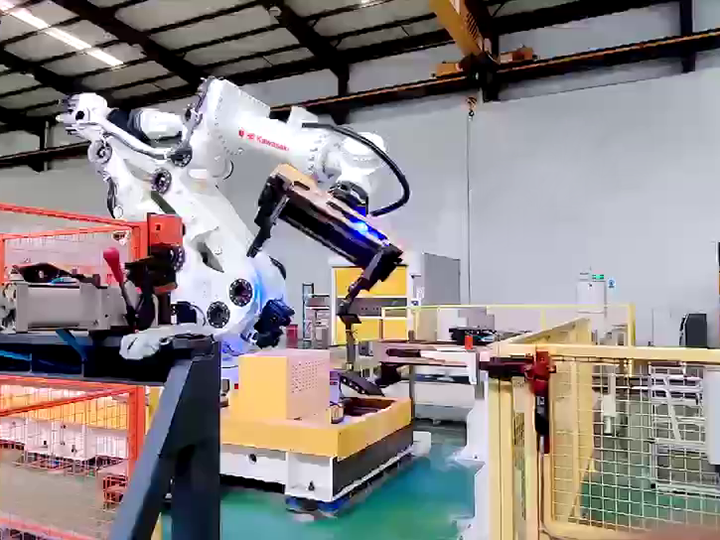
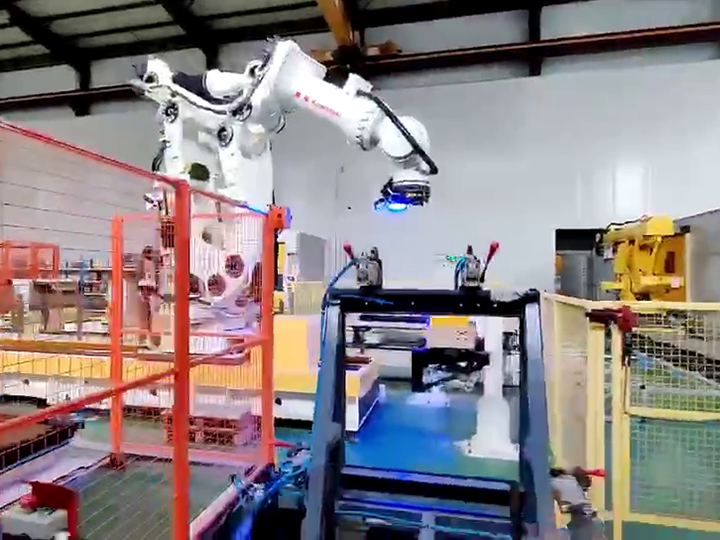
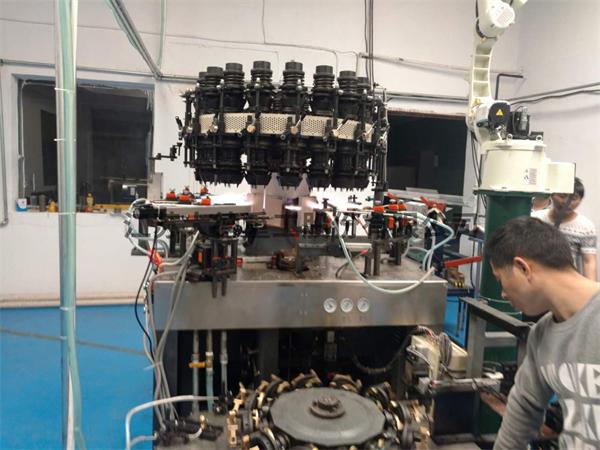
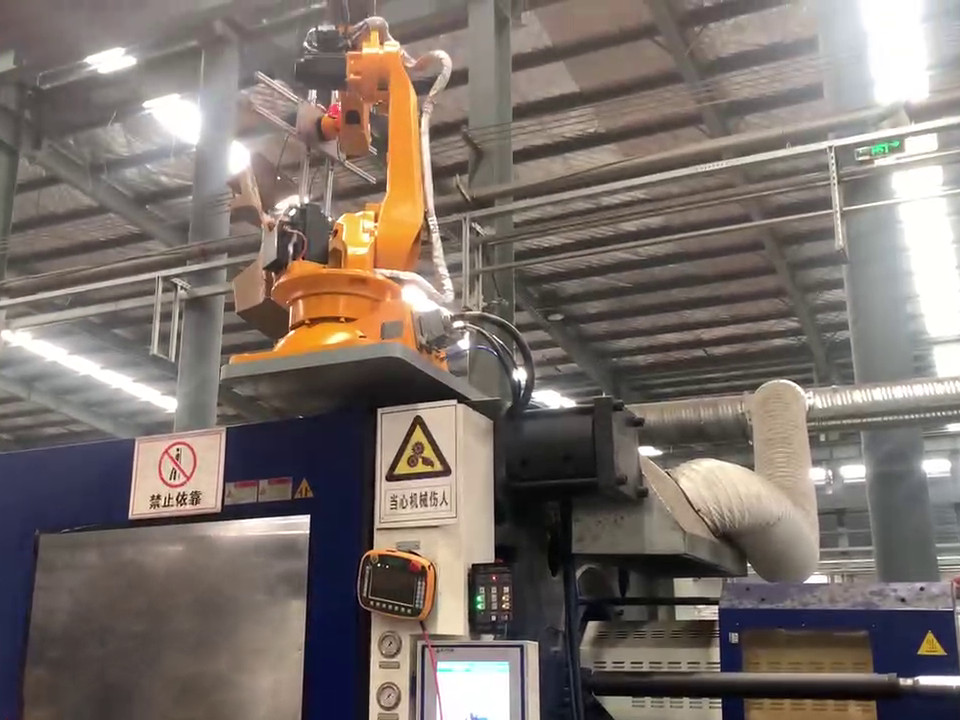
In the high-voltage electrical industry, both speed and precision matter. The 1.5-ton
handling robot delivers robust load capacity and reliable performance, effortlessly transporting heavy components like circuit breakers, transformers, and insulation assemblies. Traditional manual handling in this sector is inefficient and poses safety risks. Designed with dustproof and moisture-resistant features, this robot adapts to dynamic workshop conditions, ensuring smooth and error-free movement of critical parts.
Automated material handling not only accelerates production cycles but also reduces labor costs and operational hazards. With flexible path planning, the robot seamlessly integrates with assembly lines, storage areas, and testing stations, maintaining workflow continuity in high-voltage equipment manufacturing. Its high-precision positioning prevents vibrations or misalignment during transport, safeguarding the integrity of sensitive electrical components.
From raw material storage to finished product dispatch, the 1.5-ton handling robot is a dependable partner for boosting productivity in high-voltage electrical production. By replacing manual labor with intelligent automation, it eliminates traditional bottlenecks—making heavy-load logistics safer, faster, and more efficient.
Classification of Handling Robots
Handling robots can be categorized into several types based on their structure and function. Here are the main classifications:
-
Automated Guided Vehicles (AGVs): AGVs are autonomous robots that navigate through environments using electromagnetic, optical, or ultrasonic guidance systems. They are ideal for short-distance material handling tasks in warehouses and factories, reducing the need for human intervention.
-
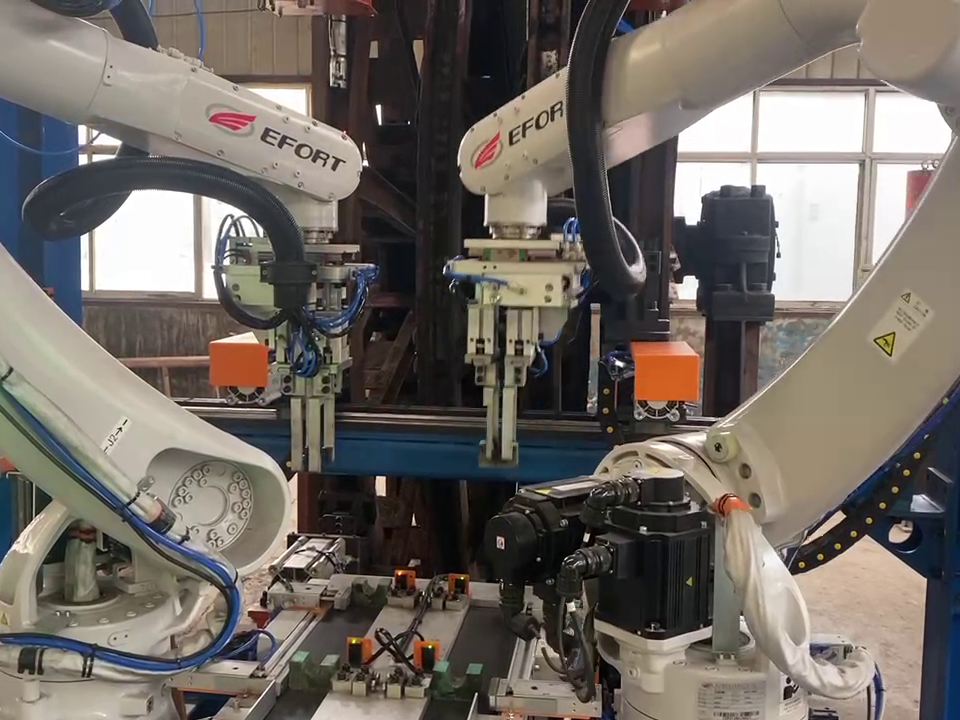
Robotic Arms: These robots mimic human arm movements, using control systems to handle diverse materials with precision. They are commonly used in automotive production lines and machinery manufacturing, where high accuracy is required.
-
Wheeled Handling Robots: Equipped with wheels for mobility, these robots are suitable for high-volume material handling on flat surfaces. They offer simplicity and cost-effectiveness for short-distance operations.
-
Footed Transport Robots: Designed with limb-like structures, these robots navigate complex terrains with ease, making them ideal for confined spaces.
-
Multi-Jointed Robots: These robots offer dexterity similar to human hands, performing complex maneuvers for specialized tasks in extreme environments.