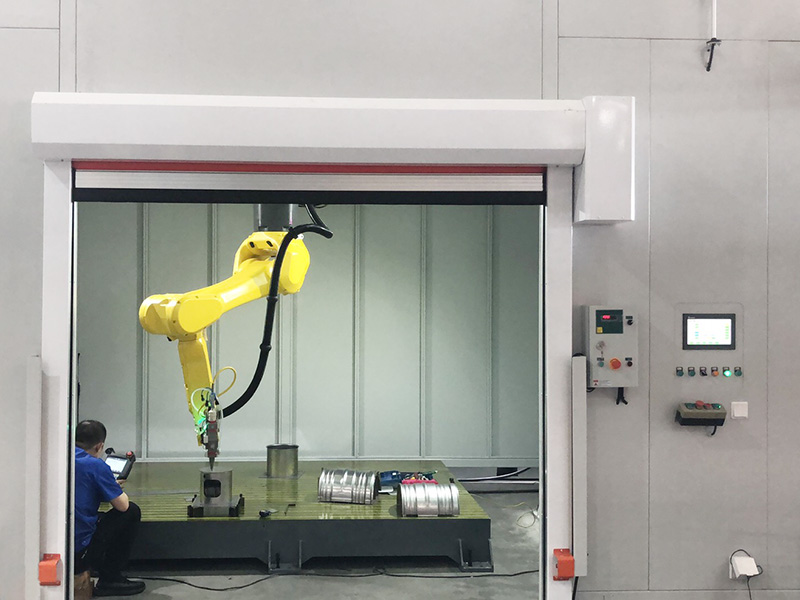
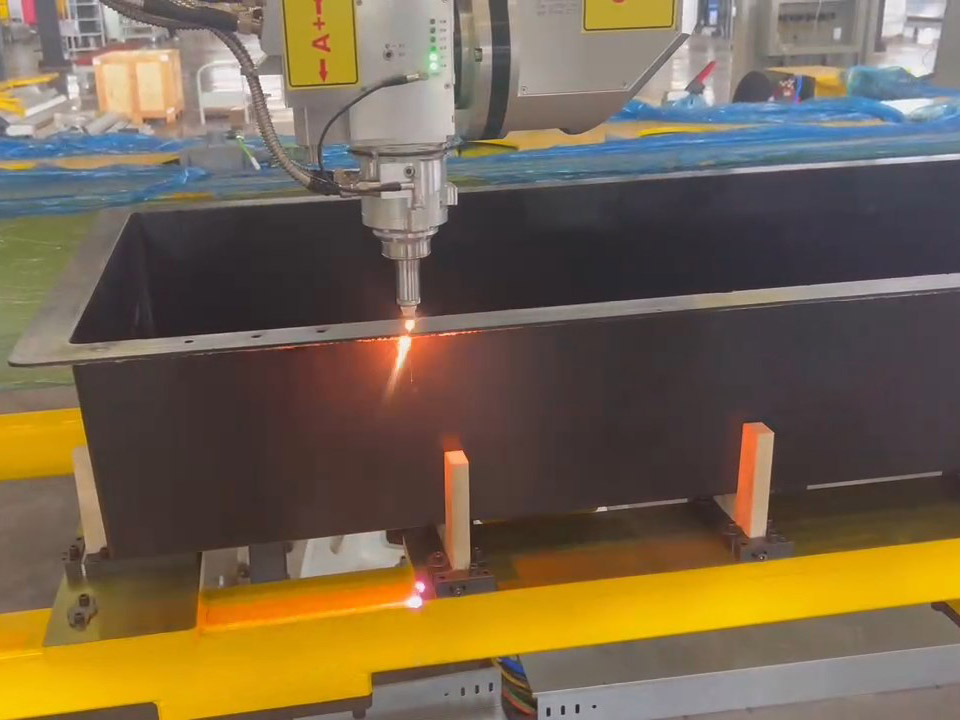
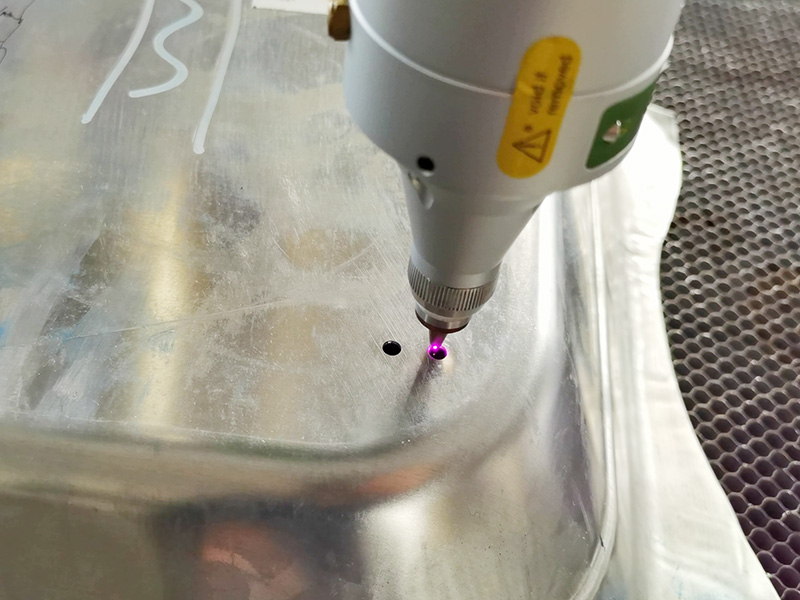
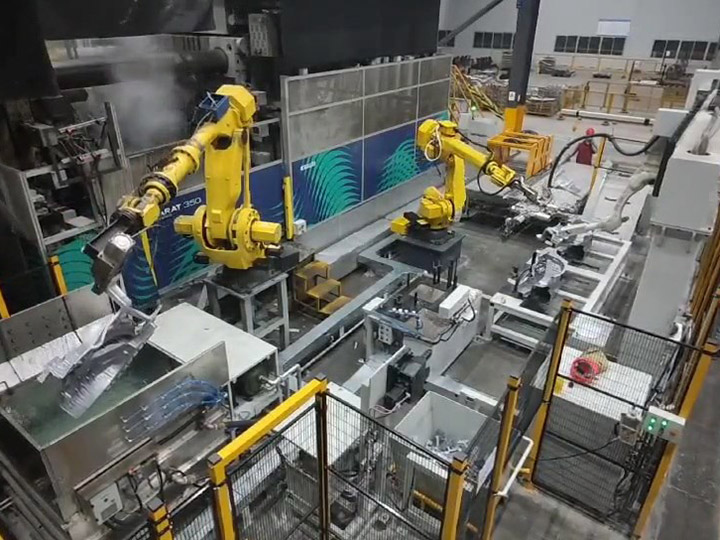
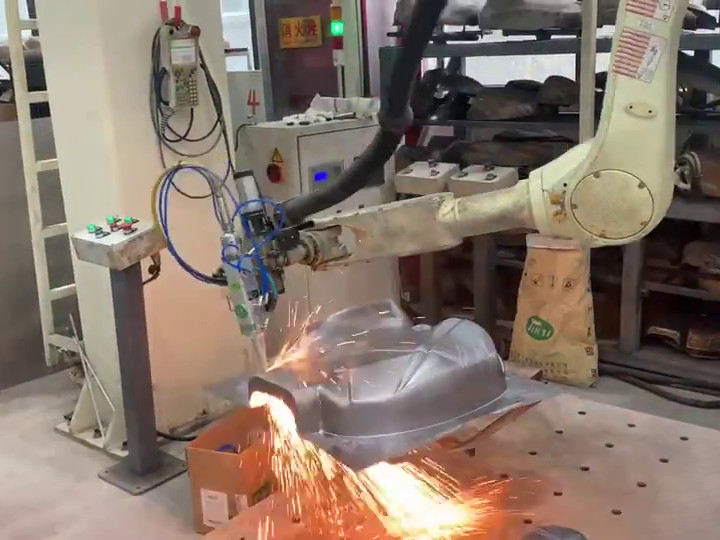
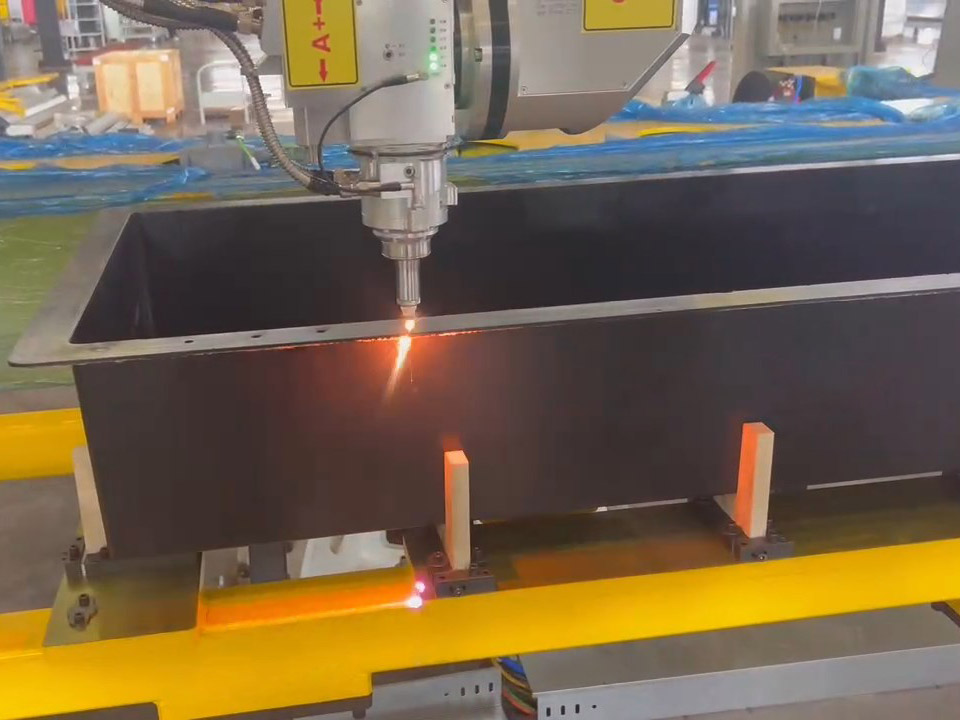
As a core equipment in modern intelligent manufacturing, fiber laser cutting machines have revolutionized the production mode of metal processing with their advantages of high precision, high efficiency, and multi-material adaptability. Driven by technological iterations and the upgrading of downstream industry demands, the global fiber laser cutting equipment market has maintained steady growth. It is expected that the global market size will exceed 28 billion USD by 2032, with a compound annual growth rate (CAGR) of 8.26% . This article systematically analyzes the core application fields, technical advantages, and future development trends of fiber laser cutting machines, providing professional references for industry practitioners and decision-makers.
1. Core Application Fields and Technical Requirements
Fiber laser cutting machines show distinct application characteristics across different power segments, covering from precision micro-processing to heavy-duty thick plate cutting, and have become indispensable key equipment in multiple industries.
1.1 New Energy Vehicle Industry
As the core growth driver of the fiber laser cutting market, the new energy vehicle industry has an urgent demand for high-precision and efficient processing of key components.
- Battery System Processing: Adopting ultra-fast pulse fiber lasers (picosecond/femtosecond) to cut silicon carbide (SiC) power modules and copper-tungsten (Cu-W) composite heat sinks, achieving a cutting speed of 120 mm/s and a section roughness of less than 1 μm . The 3-4 kW medium-power equipment is widely used in the production of battery trays, with a processing scrap rate reduced from 8% to 1.5% .
- Motor and Electronic Control Components: Using high-power laser cutting technology to process motor stators and rotors made of silicon steel sheets, and realizing micro-channel engraving on diamond-coated bearings to enhance lubrication performance . The laser cutting of aluminum alloy motor housings ensures minimal thermal deformation, with dimensional accuracy controlled within ±0.05 mm.
- Market Contribution: The explosive growth of the new energy vehicle industry is expected to drive the proportion of high-power laser cutting equipment (above 6 kW) to exceed 45% by 2030 .
1.2 Aerospace Industry
The aerospace industry has extremely strict requirements for material processing accuracy and structural reliability, making high-power and ultra-high-power fiber laser cutting machines the preferred solution.
- Key Component Processing: Using 20 kW+ ultra-high-power fiber laser cutting machines to process thick-walled structural parts of aircraft (such as landing gear components and fuselage frames) made of high-strength steel and titanium alloys, realizing single-pass cutting of 30 mm thick plates . The ultra-narrow heat-affected zone (HAZ < 0.3 mm) effectively avoids material performance degradation.
- Precision Parts Manufacturing: Applying micro-cutting technology to process precision components such as aero-engine turbine blades and aerospace electronic sensors, with cutting precision reaching ±5 μm . The demand for ultra-high-power laser cutting systems in this field is growing at an annual rate of over 25% .
1.3 Sheet Metal Processing and General Machinery
As the most mature application field, sheet metal processing and general machinery manufacturing account for more than 50% of the demand for medium and low-power fiber laser cutting machines.
- Sheet Metal Fabrication: Medium-power equipment (1.5-6 kW) is widely used in the production of electrical cabinets, ventilation ducts, and architectural metal components, with a cutting speed of up to 60 m/min for thin plates, which is 3-5 times higher than traditional processing methods . The intelligent nesting software improves material utilization by 15-20%.
- Construction Machinery: High-power equipment (above 8 kW) is used for cutting thick plates of excavator booms, loader frames, and other components. Compared with 8 kW equipment, 12 kW fiber laser cutting machines reduce the unit processing cost by 27% for plates thicker than 15 mm .
1.4 Electronic Manufacturing and Precision Engineering
The miniaturization and high-precision development of electronic products have promoted the application of low-power and ultra-fast fiber laser cutting machines.
- Micro-component Processing: Using low-power fiber laser cutting machines (below 1.5 kW) to process precision parts such as 5G base station components, smartphone camera modules, and sensor housings, with a minimum cutting line width of 0.1 mm .
- Special Material Processing: Realizing precision cutting of high-reflective materials such as copper, aluminum, and brass through beam quality optimization and anti-reflection protection technology, solving the technical bottleneck that traditional laser cutting is difficult to overcome .
2. Core Technical Advantages
Compared with traditional cutting methods (such as CO₂ laser cutting, plasma cutting, and water jet cutting), fiber laser cutting machines have obvious comprehensive advantages, which are the fundamental driving force for their widespread application.
2.1 High Precision and Excellent Processing Quality
Fiber lasers have extremely high beam quality (M² close to 1), which can be focused into a micro-spot with a diameter of 10 μm, realizing cutting precision of ±0.05 mm and a kerf width of less than 0.1 mm . The edge straightness deviation is less than 0.5°, and the repeat positioning accuracy reaches ±0.01 mm, which can meet the high-precision processing requirements of core components in aerospace and electronic industries.
2.2 High Efficiency and Low Operating Costs
The electro-optical conversion efficiency of fiber lasers reaches 25-30%, which is 2-3 times higher than that of CO₂ lasers (about 10%) . A 6 kW fiber laser cutting machine has an actual power consumption of only about 20 kW, which is 60% lower than that of traditional equipment. The service life of core components exceeds 100,000 hours, and the annual maintenance cost is 70% lower than that of CO₂ laser cutting machines .
2.3 Strong Material Adaptability and Flexibility
Fiber laser cutting machines can efficiently process almost all metal materials, including carbon steel, stainless steel, aluminum alloy, copper alloy, titanium alloy, and superhard materials such as silicon carbide . Through flexible parameter adjustment, they can adapt to materials of different thicknesses (0.1 mm-30 mm) and realize complex contour cutting without mold replacement, which is especially suitable for small-batch and multi-variety production .
2.4 Compact Structure and Easy Integration
The laser beam can be flexibly transmitted through optical fibers without complex reflective mirror systems, simplifying the equipment structure and reducing energy loss . The compact design makes it easy to integrate with automatic loading and unloading systems, robotic arms, and digital management systems, forming intelligent production lines and improving overall production efficiency.
3. Key Industry Development Trends
Driven by technologies such as artificial intelligence (AI), the Internet of Things (IoT), and digital twins, fiber laser cutting machines are moving towards the direction of ultra-high power, intelligence, greenization, and localization.
3.1 Ultra-High Power Development and Performance Upgrade
The proportion of high-power fiber laser cutting machines (above 6 kW) is continuously increasing, and the market share is expected to rise from 35% in 2025 to 50% in 2030 . The 30 kW+ ultra-high-power equipment will gradually penetrate the thick plate processing field, with a market penetration rate expected to reach 15% of the high-power segment by 2030 . The application of beam oscillation technology and multi-module combination technology will further improve the cutting quality of thick plates and reduce the generation of burrs and cracks.
3.2 Intelligent Upgrade and Digital Integration
Intelligent functions have become the core competitiveness of high-end fiber laser cutting equipment.
- Adaptive Processing: Equipped with AI vision systems and real-time monitoring sensors, it can automatically identify material types, thicknesses, and surface defects, and dynamically adjust cutting parameters such as power, speed, and auxiliary gas flow . The sampling frequency of the laser vision system reaches 1 kHz, which can compensate for workpiece positioning errors in real time.
- Digital Twin Application: Establishing a virtual simulation model of the cutting process to predict thermal deformation and cutting quality, optimizing the cutting path and clamping scheme, and reducing the number of physical trials by 60% .
- Predictive Maintenance: Through IoT technology, real-time monitoring of equipment operating status and key component life, realizing predictive maintenance and reducing downtime by 30% .
3.3 Localization Advancement and Industrial Chain Integration
The localization process of core components of fiber laser cutting machines is accelerating. The localization rate of 6 kW+ high-power lasers will increase from 65% in 2025 to 85% in 2030 . The localization of optical components will reduce the overall equipment cost by 8-10% . It is expected that by 2028, 35 leading enterprises with full-chain R&D capabilities covering chips, optical systems, and numerical control platforms will be formed in the industry . Domestic equipment has occupied 75% of the Chinese market and is gradually expanding its share in the global medium and low-power equipment market .
3.4 Green Manufacturing and Sustainable Development
In response to global environmental protection policies, fiber laser cutting machines are developing towards energy conservation and emission reduction.
- Energy Efficiency Improvement: The electro-optical conversion efficiency of new-generation fiber lasers is expected to exceed 45% by 2029, further reducing energy consumption .
- Emission Reduction and Environmental Protection: Equipped with closed-loop dust removal and noise reduction systems to reduce welding fume emissions by 40% and meet strict industrial environmental protection standards .
- Resource Utilization: Adding automatic waste classification and recycling systems to improve material utilization and reduce waste generation .
3.5 Expansion of Emerging Application Scenarios
With the development of new industries such as photovoltaic energy, 5G base stations, and medical devices, fiber laser cutting machines are expanding their application boundaries. In the photovoltaic industry, they are used for precision cutting of solar cell frames and brackets; in the medical device field, they process stainless steel surgical instruments and implantable medical components; in the 5G communication field, they realize high-precision processing of base station antenna components . The market share of composite processing systems with both high precision and flexibility is expected to reach 30% .
4. Industry Challenges and Future Outlook
4.1 Current Main Challenges
- Technical Bottlenecks: The cutting of high-reflective materials (such as copper and aluminum) still faces the risk of reflective damage to optical components, and the cutting efficiency and section quality of ultra-thick plates (above 30 mm) need to be further improved .
- Cost Pressure: The price fluctuation of core components such as pump sources and beam combiners may lead to a 2-3 percentage point decrease in gross profit margin, and the high initial investment of ultra-high-power equipment restricts its popularization in small and medium-sized enterprises .
- Homogeneous Competition: The low-threshold market leads to fierce competition in the medium and low-power segments, and the lack of core technology research and development leads to product homogenization .
- Talent Gap: The operation and maintenance of intelligent and high-power equipment require technicians with both professional knowledge and digital skills, and the industry talent shortage is prominent .
4.2 Future Development Outlook
The fiber laser cutting machine industry will enter a new stage of high-quality development driven by technological innovation and demand upgrading. In the short term, the localization of core components will accelerate, and the cost-performance ratio of equipment will continue to improve; in the medium and long term, the integration of multi-technologies such as AI, digital twins, and IoT will realize the transformation from "automated cutting" to "intelligent manufacturing nodes" . The industry will tend to integrate the whole industrial chain, and enterprises with core technology reserves and scenario-based solution capabilities will occupy a dominant position in the 30 billion-level market .