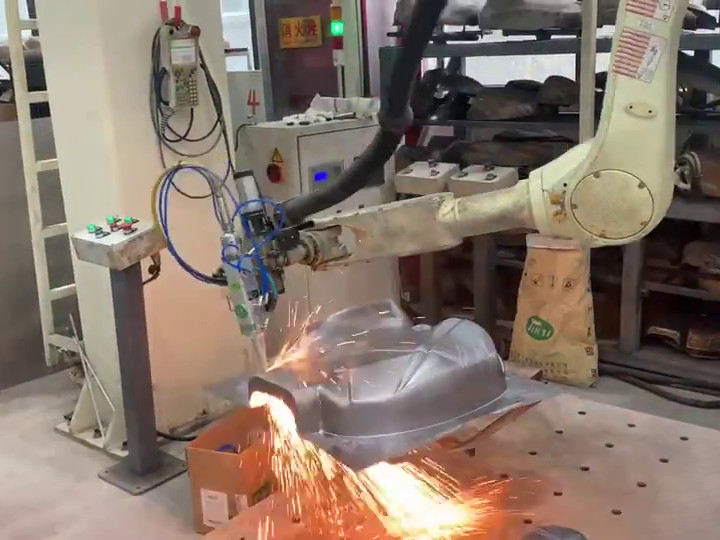
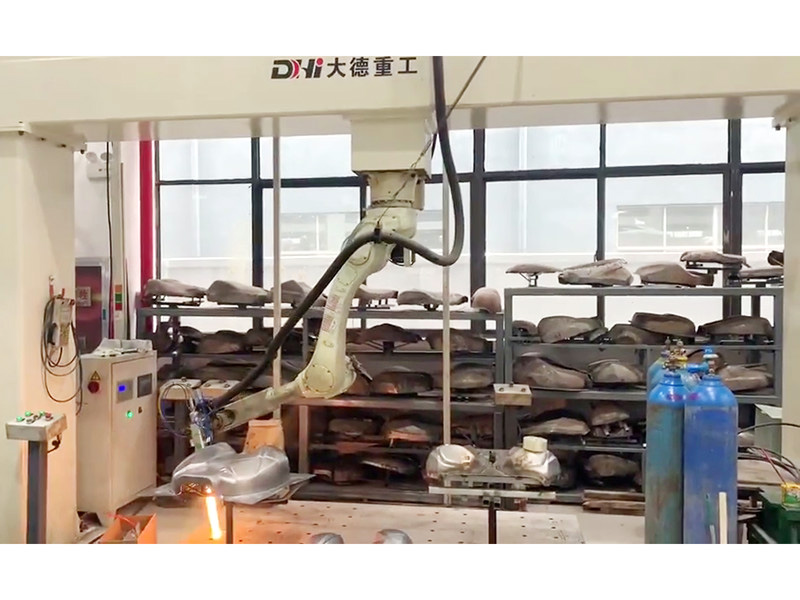
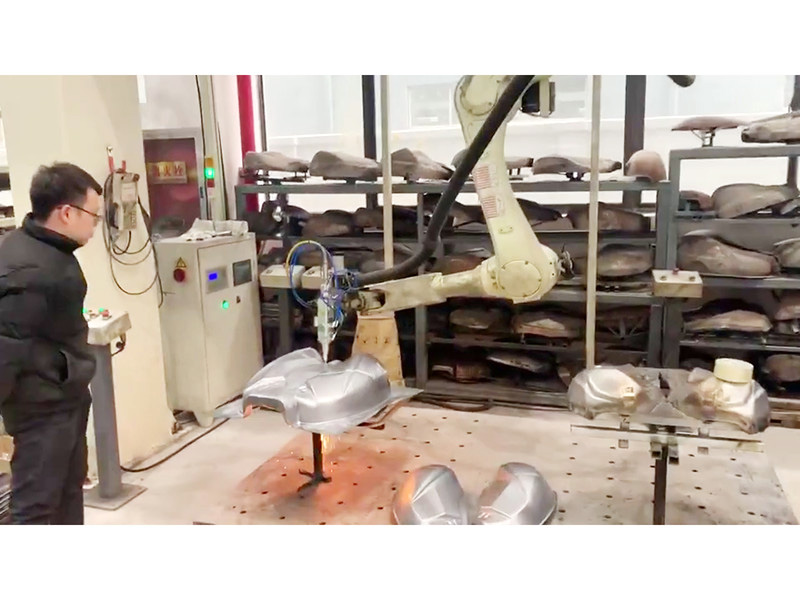
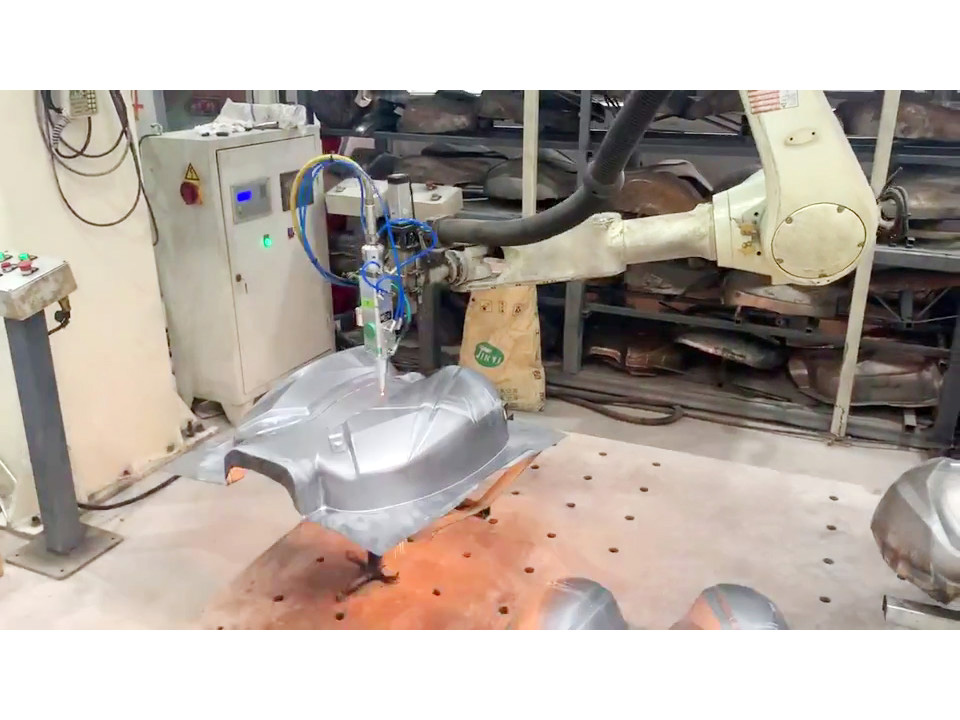
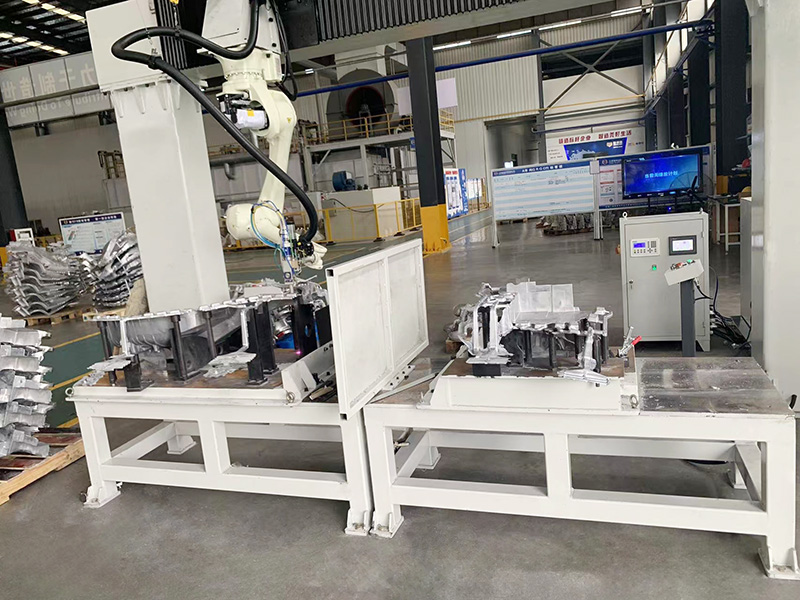
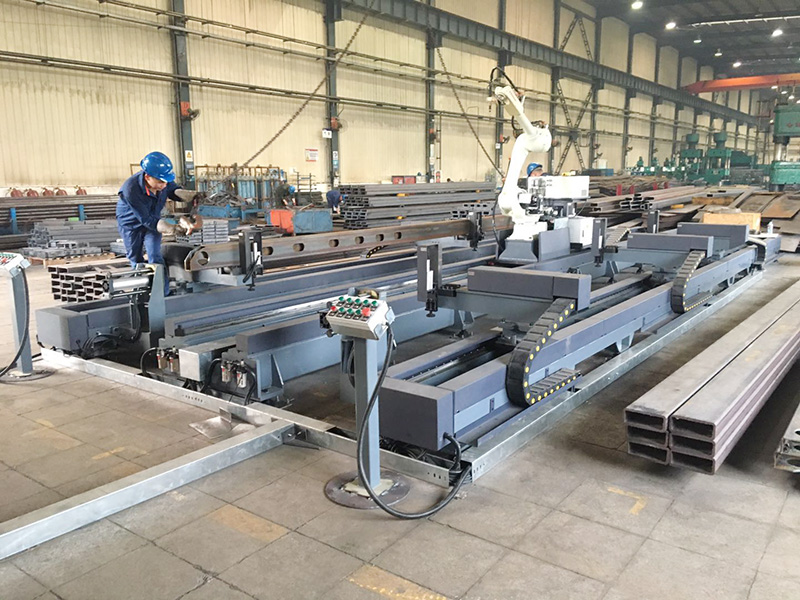
Overview of Laser Robotic 3D Cutting & Welding Machine for Fuel Tanks
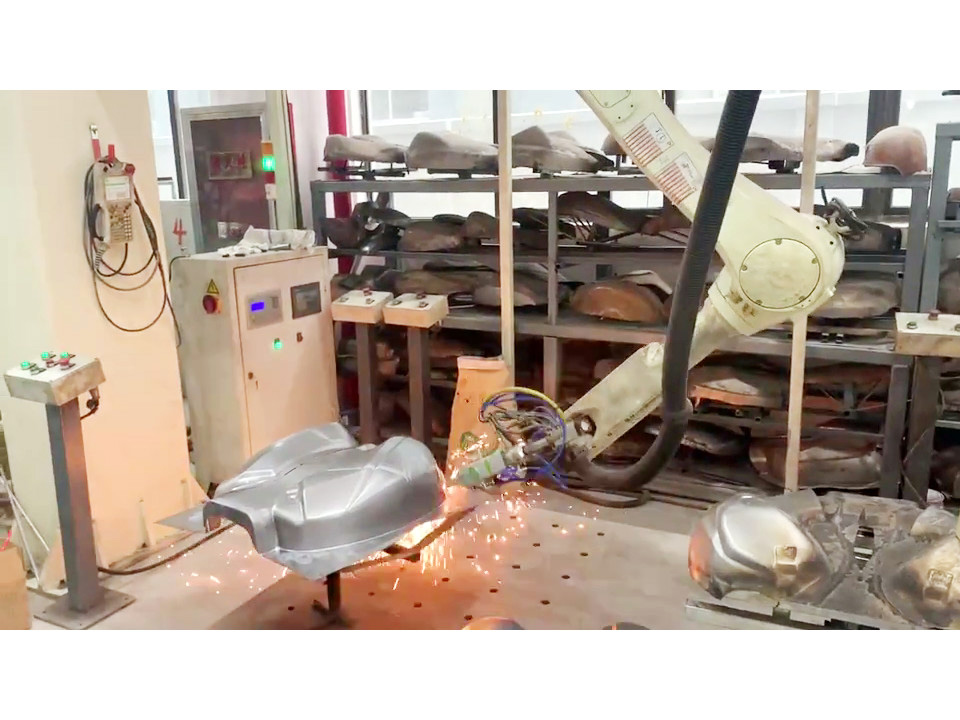
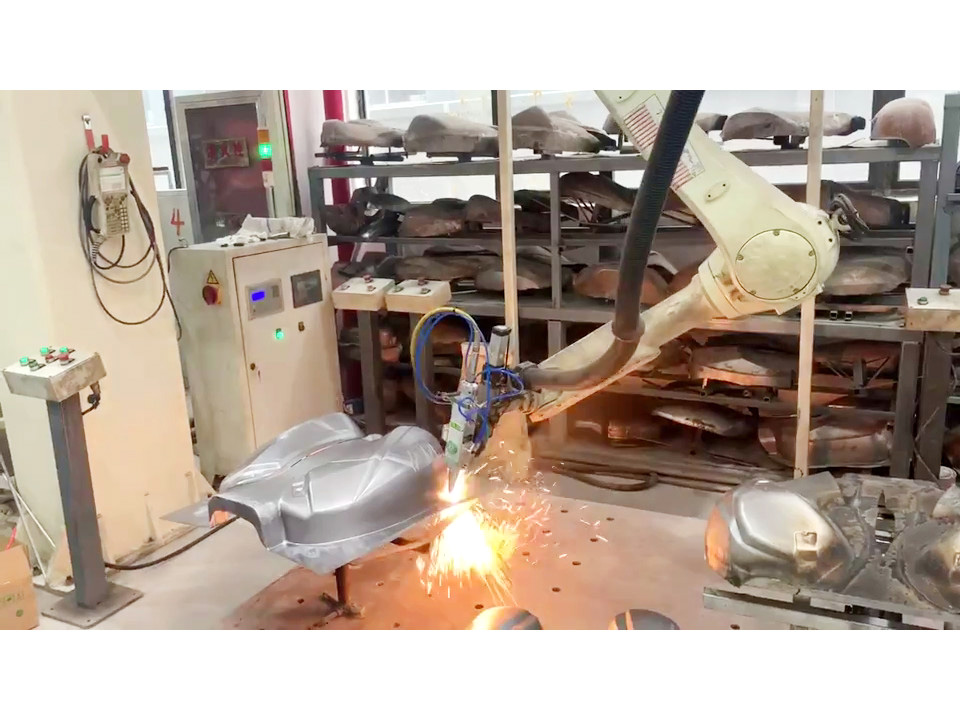
Key Configuration: Kawasaki RA20N, Raycus 1000W
Workpiece Name: Motorcycle Fuel Tank
In the motorcycle manufacturing and customization industry, the cutting process of fuel tanks directly impacts the quality and performance of the final product. The Kawasaki RA20N laser cutting machine, equipped with a high-performance Raycus 1000W laser, delivers micron-level precision and stable, efficient cutting capabilities. It effortlessly handles various metal materials, including stainless steel and carbon steel, ensuring smooth, burr-free, and deformation-free edges for fuel tank cutting, significantly enhancing both aesthetics and structural integrity.
The Raycus 1000W high-power laser source provides robust and consistent output, enabling rapid penetration of thicker plates while maintaining clean, smooth cuts. This drastically reduces post-processing grinding and improves production efficiency. The Kawasaki RA20N features an intelligent control system that supports complex curved cuts, perfectly adapting to the arched design of motorcycle fuel tanks and meeting customization needs for greater creative possibilities. Additionally, the machine boasts an industrial-grade durable structure, optimized for high-intensity production environments to ensure long-term stable operation, helping businesses achieve batch production and lower overall costs.
Advantages of Robot Laser Cutters
Versatile Applications
Robot laser cutters are engineered to handle a wide range of materials, including stainless steel, carbon steel, aluminum, brass, copper, and various alloys. This versatility makes them indispensable across multiple industries:
-
Automotive Industry: Ideal for cutting automobile parts, door frames, and exhaust systems with precision.
-
Aerospace: Essential for crafting intricate components that require high precision and minimal thermal distortion.
-
Metalworking: Suitable for cutting and shaping metal sheets, tubes, and special-shaped parts.
Cost-Effectiveness
Despite the initial investment, robot laser cutters offer significant cost savings over time. They reduce labor costs by automating complex tasks, minimize waste through precise cutting, and decrease the need for expensive tooling and dies.
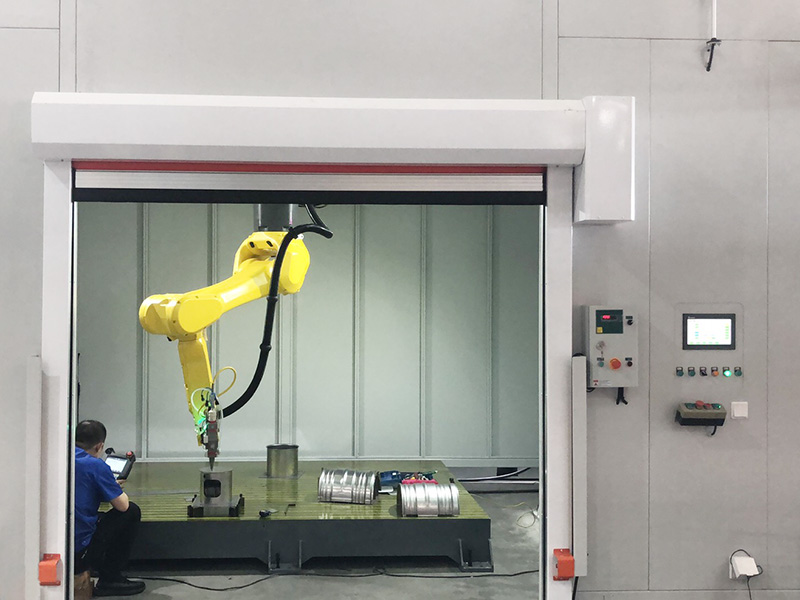
Enhanced Safety
With fully enclosed designs and advanced safety features, robot laser cutters protect operators from laser exposure and other potential hazards. This not only ensures compliance with safety regulations but also enhances workplace safety.