In the field of modern industrial manufacturing, high-precision and high-efficiency processing equipment is crucial for enhancing production capacity. As an advanced processing equipment integrating optics, mechanics, electricity, and computing, the three-axis laser cutting machine has become a ""main force"" in industries such as aerospace, automotive manufacturing, and precision instruments, relying on its precise cutting capability and wide applicability. This article will detailedly analyze the definition, working principle, application fields, mechanical structure design, and core advantages and disadvantages of three-axis laser cutting machines, helping you comprehensively understand this industrial processing tool.
I. What is a Three-Axis Laser Cutting Machine?
A
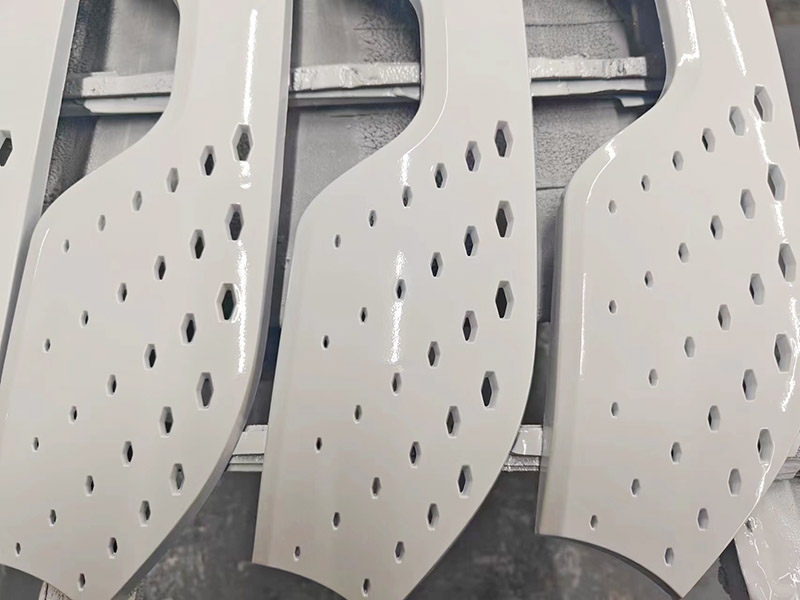
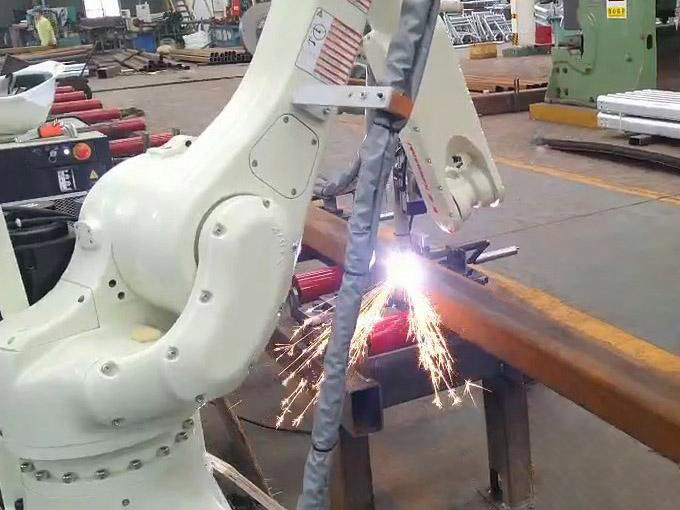
three-axis laser cutting machine is a device that controls the laser beam path through the linkage of X, Y, and Z axes to achieve high-precision cutting and forming of metal sheets, pipes, and non-metallic materials. It integrates multi-disciplinary technologies such as laser technology, precision mechanical transmission, automated control, and computer programming, capable of completing efficient cutting of complex contours. It is an important processing tool in the era of intelligent manufacturing and Industry 4.0. As industrial requirements for processing precision and efficiency continue to increase, the demand for three-axis laser cutting machines is growing in various fields, becoming an indispensable key equipment in modern industrial production.
II. Working Principle of Three-Axis Laser Cutting Machine
The working process of a three-axis laser cutting machine can be divided into three core steps, from laser generation to final material cutting, with each link relying on precise coordination:
1. Laser Generation
The laser is the ""energy source"" for cutting, usually generated by a fiber laser or CO₂ laser. These lasers can output high-energy-density laser beams, providing sufficient heat for material cutting.
2. Optical Path Transmission
The generated laser beam is transmitted and focused through an optical path system composed of reflecting mirrors and focusing lenses. The reflecting mirrors are responsible for changing the laser direction, while the focusing lens converges the laser beam into an extremely small spot, ensuring high concentration of energy and laying the foundation for precise cutting.
3. Material Cutting
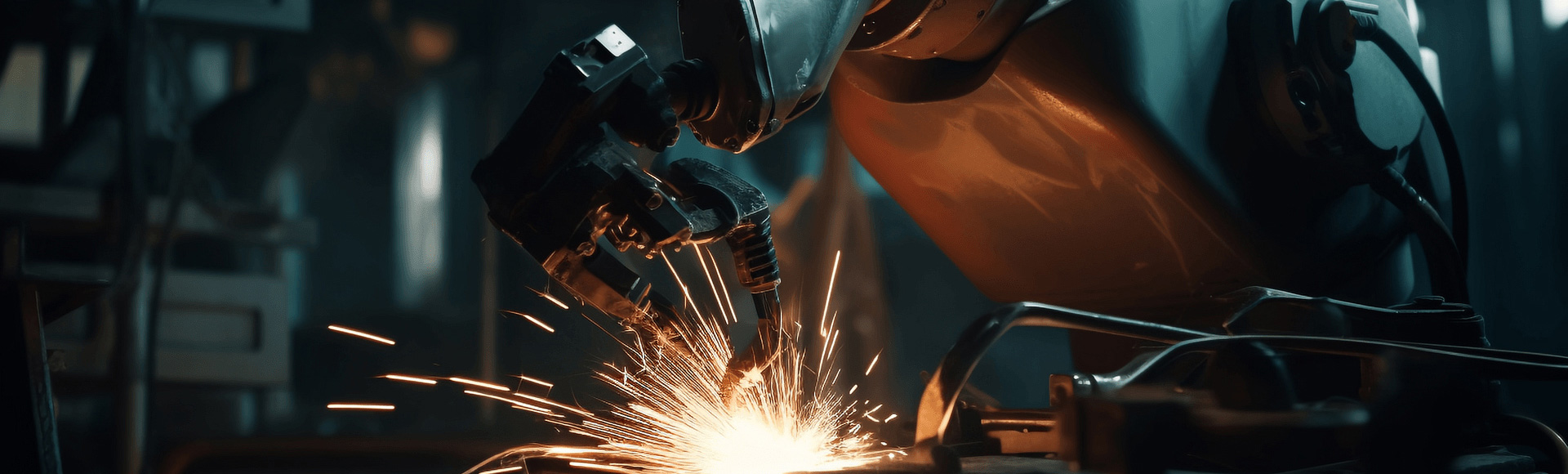
The focused laser beam irradiates the surface of the processed material, instantly heating the irradiation point to the melting or vaporization temperature. At the same time, the device drives the laser head to move according to the preset path through the linkage control of the X, Y, and Z axes, cooperating with the rapid melting or vaporization of the material, and finally achieves the cutting and forming of complex contours.
III. Main Application Fields of Three-Axis Laser Cutting Machine
With the characteristics of high precision and high efficiency, three-axis laser cutting machines play an important role in multiple industrial fields, covering a wide range of scenarios from heavy manufacturing to precision processing:
- Aerospace: Used for processing high-precision components such as aircraft fuselage structural parts, engine blades, and rocket fuel tanks, meeting the strict requirements of aerospace for material strength and dimensional accuracy.
- Automotive Manufacturing: Cutting automobile body steel plates, chassis frames, engine parts, etc., improving the automation level and processing efficiency of automobile production.
- Mechanical Manufacturing: Handling cutting tasks of various metal sheets and pipes, providing precision structural parts for machine tools, construction machinery and other equipment.
- Elevator Manufacturing: Cutting elevator guide rails, door panels, car frames and other components to ensure the stability and safety of elevator operation.
- Advertising Production: Processing metal billboards, signs, art words, etc., realizing rapid成型 of complex patterns.
- Household Appliance Manufacturing: Cutting the shells and internal parts of refrigerators, air conditioners, washing machines and other home appliances, improving product appearance and assembly precision.
- Medical Devices: Processing surgical instruments, medical equipment shells, precision sensor components, etc., meeting the high requirements of the medical industry for hygiene and precision.
- Hardware Decoration: Producing metal decorative panels, crafts, furniture accessories, etc., realizing the rapid implementation of personalized designs.
- Fitness Equipment: Cutting metal frames and components of treadmills, dumbbells and other fitness equipment to ensure structural strength and use safety.
- Metal Processing Services: Providing external metal cutting processing services for various industries, meeting the customized needs of small batches and multiple varieties.
IV. Mechanical Structure Design of Three-Axis Laser Cutting Machine
The mechanical structure of the equipment is the core to ensure cutting precision and stability, mainly including the following key parts:
1. Three-Axis Motion System
The X-axis and Y-axis are the core for realizing plane cutting, usually adopting the transmission mode of ""ball screw + linear guide rail"", paired with servo motor drive to ensure high precision and stability of motion; the Z-axis is responsible for adjusting the laser focal length, generally using a high-precision linear module or a screw mechanism driven by a servo motor to adapt to the cutting needs of materials with different thicknesses.
2. Guide and Support Mechanism
Linear guide rails need to have the characteristics of high rigidity and low friction coefficient to ensure no deviation during movement; the frame and bed are mostly made of cast iron or welded steel structure, and internal stress is eliminated through aging treatment, and the thermal deformation is strictly controlled (usually required to be less than 0.05mm/m) to ensure the stability of the equipment during long-term operation.
3. Workbench
The design of the workbench directly affects the material fixing effect. The common honeycomb suction cup or vacuum adsorption structure can firmly fix thin plate materials, effectively suppressing vibration during cutting and avoiding cutting errors caused by material displacement.
V. Core Advantages of Three-Axis Laser Cutting Machine
1. High Precision
Through three-axis linkage control and precision mechanical structure, the cutting accuracy can reach the micrometer level, and it can easily realize the processing of precision contours such as complex curves and small holes, meeting the requirements of high-end manufacturing for dimensional accuracy.
2. High Efficiency
The laser cutting speed is much higher than that of traditional mechanical cutting, and there is no need for mold replacement, which reduces production preparation time and greatly improves mass production efficiency.
3. High Flexibility
Supported by computer programming control, it can quickly switch cutting patterns and material types, suitable for the customized production needs of small batches and multiple varieties, and flexibly responds to market changes.
4. Strong Adaptability
It can cut metal materials such as carbon steel, stainless steel, and aluminum alloy, as well as non-metallic materials such as acrylic, wood, and plastic, meeting the processing needs of different industries.
VI. Potential Challenges of Three-Axis Laser Cutting Machine
Despite its significant advantages, three-axis laser cutting machines also have some issues that need attention:
- High Equipment Cost: As high-precision equipment, its purchase cost is relatively higher than traditional cutting equipment, which has certain requirements for the initial investment of enterprises.
- High Maintenance Professionalism: Core components such as the laser system and optical path components require regular maintenance and calibration, which requires professional technical personnel or reliance on manufacturer services.
Conclusion
With the characteristics of high precision, high efficiency, and high flexibility, the three-axis laser cutting machine has become the core equipment of modern industrial processing, playing an irreplaceable role in aerospace, automotive manufacturing, precision instruments and other fields. As intelligent manufacturing technology continues to advance, three-axis laser cutting machines will expand their applications in more细分 fields in the future, bringing more efficient and precise solutions to industrial production. Whether it is an enterprise pursuing processing quality or a manufacturer in need of flexible production, the three-axis laser cutting machine is an important choice to enhance competitiveness."