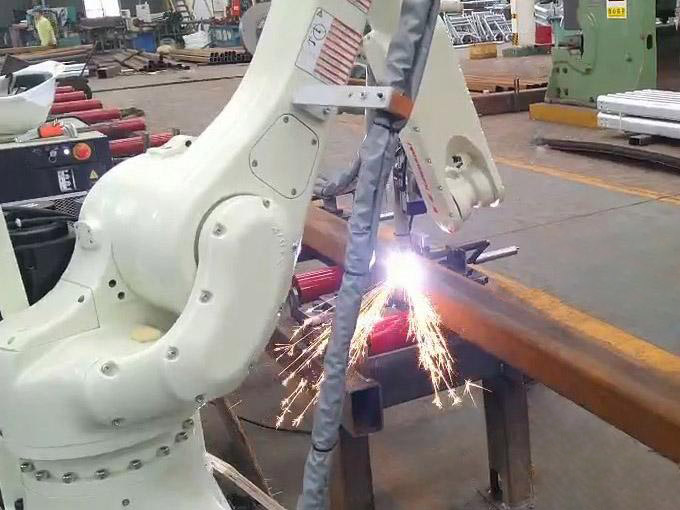
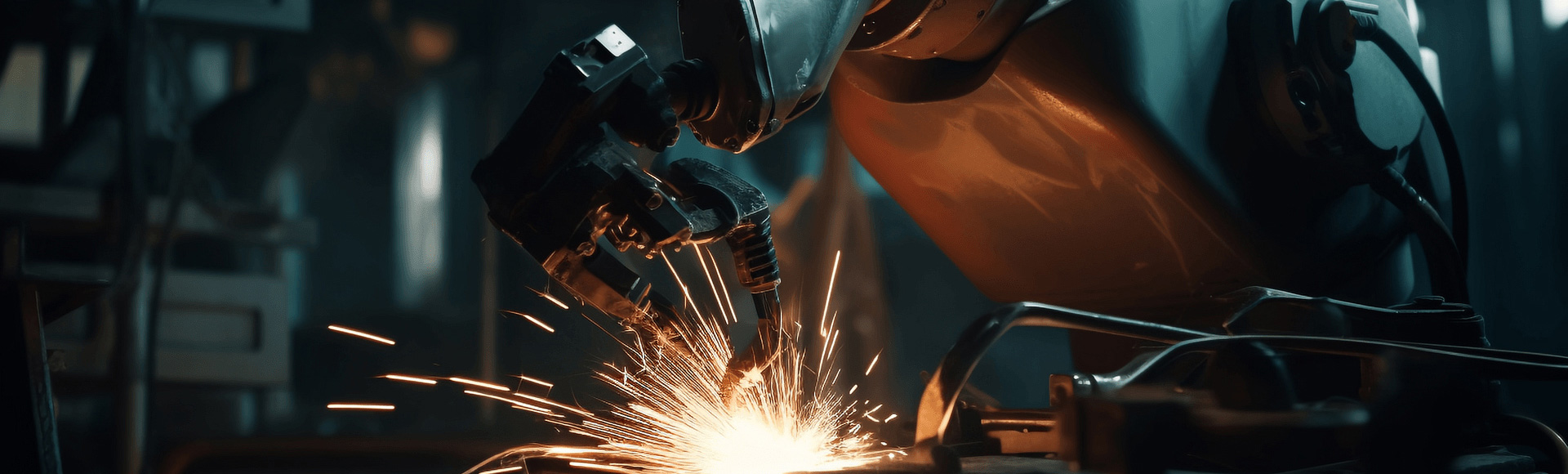
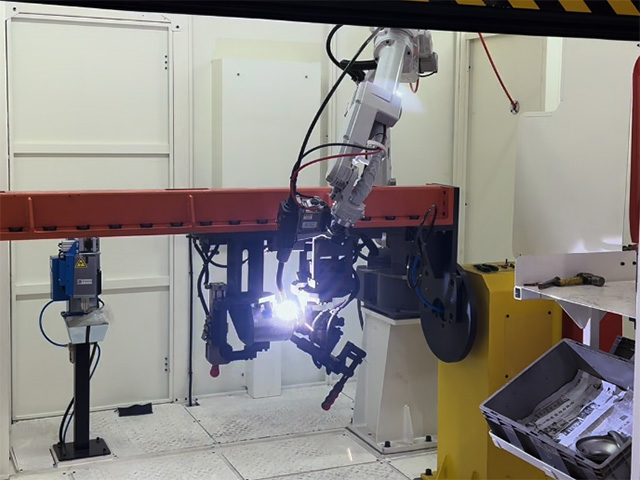
In modern manufacturing and various industries, laser cutting has become an important technology in the field of material processing due to its high precision and efficiency. Whether it is the precision processing of auto parts or creative design in the fashion industry, laser cutting plays a key role. This article will deeply analyze the working principle, core advantages, potential limitations, and wide-ranging application scenarios of laser cutting to help you fully understand this advanced technology.
What is Laser Cutting?
Laser cutting is a technology that uses a high-energy-density laser beam to process materials. Through the focused laser beam, materials are melted, vaporized, or burned, thereby achieving precise cutting, engraving, or etching. This non-contact processing method can ensure processing accuracy and reduce mechanical damage to materials, so it is widely used in manufacturing, automotive, aerospace, and other fields.
Working Principle of Laser Cutting
The laser cutting process mainly consists of four core steps, and the synergy of each link ensures precise and efficient processing:
1. Laser Generation
The core of a laser cutting machine is the laser, which can generate a high-energy-density laser beam. Different types of lasers are suitable for different materials and processing requirements; for example, some are suitable for cutting non-metallic materials, while others can efficiently process metals, especially highly reflective metals.
2. Beam Focusing
The generated laser beam is focused into a tiny spot (usually less than 0.32 mm in diameter) through a system composed of lenses and mirrors. The focused beam has highly concentrated energy, providing sufficient energy for subsequent cutting.
3. Material Cutting
The focused laser beam irradiates the material surface, and after the energy is absorbed by the material, the local temperature rises rapidly, causing the material to melt, vaporize, or burn. According to the material properties (such as metal, plastic, wood, etc.) and adjustments of laser parameters, the required shape and size can be precisely cut.
4. Role of Auxiliary Gas
To improve cutting quality, auxiliary gases (such as oxygen, nitrogen, or compressed air) are usually used during the cutting process. These gases not only blow away molten materials to prevent residues from affecting the cutting edge but also cool the cutting area, reduce thermal deformation, and make the cutting edge smoother.
Core Advantages of Laser Cutting
Laser cutting is widely adopted in various industries due to its significant technical advantages:
High Precision and Smooth Edges
Laser cutting can achieve extremely high processing precision, with flat and smooth cutting edges, requiring almost no subsequent mechanical processing, greatly reducing secondary processing costs. Whether it is complex geometric figures or tiny details, they can be accurately presented.
Fast Processing Speed and High Efficiency
For thin to medium-thickness materials, laser cutting speed is much faster than traditional cutting methods. Especially in mass production, it can significantly shorten the processing cycle and improve production efficiency.
Strong Material Adaptability and Flexible Application
Laser cutting can process almost all materials, including metals, plastics, wood, fabrics, leather, etc. The same equipment can meet the processing needs of different materials by adjusting parameters, with extremely high flexibility.
Non-Contact Processing, Reducing Material Damage
Laser cutting is a non-contact processing method; the laser beam has no direct contact with the material and does not generate mechanical stress, so it can effectively reduce material deformation or damage, especially suitable for processing precision parts that are easy to deform.
High Degree of Automation Integration
Modern laser cutting machines can seamlessly interface with computer control systems and automated production lines to realize the whole process automation from design to processing. Complex shapes can be cut through programming, reducing manual intervention and human errors.
Potential Limitations of Laser Cutting
Despite its significant advantages, laser cutting also has some limitations that need attention:
High Initial Equipment Cost
Laser cutting machines, especially high-power models and supporting control systems, have relatively high initial investment costs, which may put pressure on small enterprises.
Limited Ability to Cut Thick Metals
Although it can cut various metals, for extremely thick metal plates (such as steel plates exceeding a certain thickness), the efficiency and effect of laser cutting may not be as good as other methods such as plasma cutting.
Requires Professional Operation and Maintenance
The operation and maintenance of laser cutting machines require professional knowledge; operators need to be familiar with equipment parameter debugging, safety regulations, etc., to ensure processing quality and production safety.
Harmful Gases May Be Generated During Processing of Some Materials
When cutting plastics and some composite materials, harmful gases or fumes may be generated, requiring a complete ventilation and exhaust gas treatment system to ensure the health of operators.
Application Fields of Laser Cutting
With its unique advantages, laser cutting has penetrated into multiple industries and become a key processing technology:
Automobile Manufacturing
In automobile production, laser cutting is used to process body panels, engine components, exhaust systems, etc. Its high precision ensures the fit of parts, improving the safety and performance of the entire vehicle.
Aerospace Industry
The aerospace field has extremely high requirements for the precision and reliability of parts. Laser cutting is used to process key components such as turbine blades, fuselage parts, and aircraft structural parts to meet the needs of lightweight and high strength.
Electronic Manufacturing
Precision components in electronic devices, such as circuit boards, connectors, and screens, rely on laser cutting to process fine structures, ensuring the stable performance of electronic components.
Fashion and Creative Industries
In the fashion industry, laser cutting can be used to cut fabrics, leather, accessories, etc., to achieve complex patterns and hollow designs, bringing unique artistic effects to clothing and accessories.
Medical Device Manufacturing
Medical devices have strict requirements for precision and sterility. Laser cutting is used to process surgical instruments, stents, implants, etc., ensuring that products meet medical standards.
Summary: Future Outlook of Laser Cutting
As an efficient, precise, and multifunctional processing technology, laser cutting has become an indispensable tool in modern manufacturing. With the continuous advancement of laser technology, equipment costs are gradually decreasing, and processing capabilities are continuously improving. In the future, laser cutting will play an important role in more fields (such as new energy, 3D printing, intelligent equipment, etc.). Whether in industrial production or creative design, laser cutting will promote technological innovation and development in various industries with its unique advantages."