Metal Laser Cutting: Advanced Technology Leading The New Era Of Precision Manufacturing
Release time:2026-06-01
Visits:469
In the field of modern industrial manufacturing, metal laser cutting processing, with its outstanding performance and wide applicability, has become an indispensable key technology in numerous industries. This technology uses a high-energy-density laser beam to precisely cut metal materials. With its significant advantages such as high precision, fast speed, and flexible cutting shapes, it is reshaping traditional production models and bringing unprecedented efficiency and quality improvements to various industries.
Core Principle of Metal Laser Cutting: Precise and Efficient Energy Conversion
The working principle of
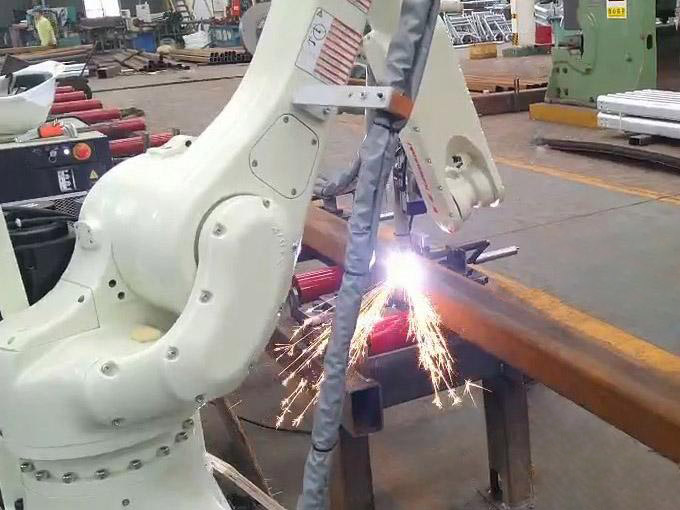
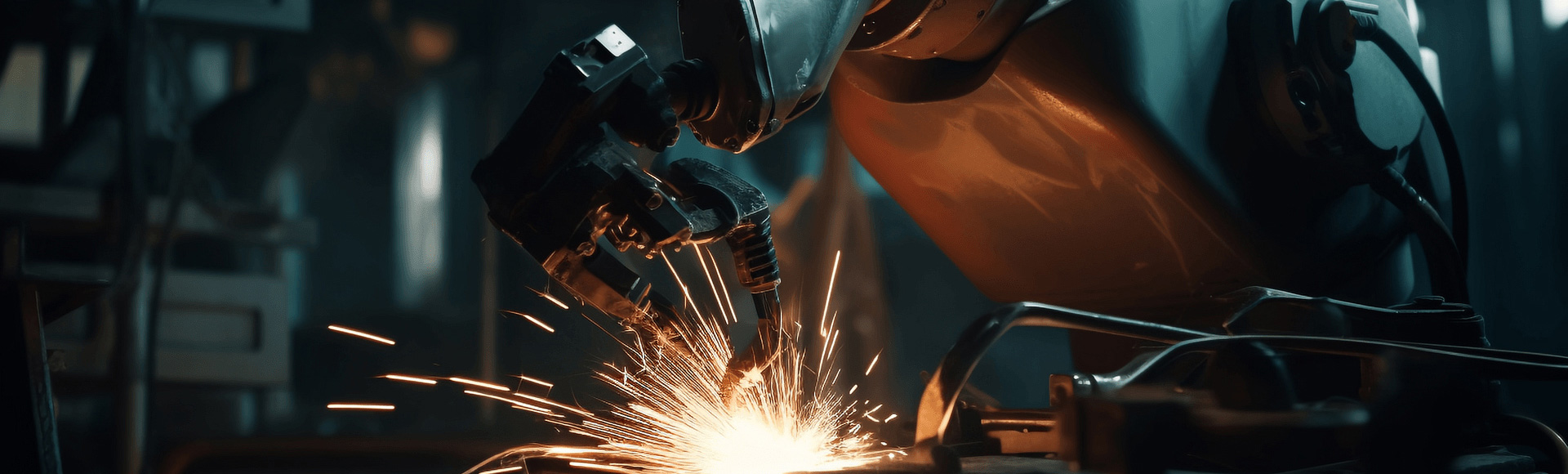
metal laser cutting is based on the high concentration and precise control of energy. A high-power laser beam is focused on a specific point on the surface of the metal material, instantly heating the irradiated area to its melting point or even boiling point. At the same time, high-pressure auxiliary gas quickly blows away the molten or vaporized metal debris from the cutting area, forming an initial kerf. As the laser beam moves along the preset path on the material surface, the kerf continues to extend, ultimately completing the precise cutting of the metal material. This process is efficient and controllable, ensuring high quality and consistency of the cut.
Significant Advantages of Metal Laser Cutting: Why It Becomes the Industry's First Choice?
Metal laser cutting technology is widely praised due to its multiple significant advantages:
Exceptional High Precision: Laser cutting can achieve amazing micron-level precision, ensuring the dimensional accuracy and shape complexity of the cut parts, meeting the manufacturing requirements of precision components.
Efficient Cutting Speed: Compared with traditional mechanical cutting methods, laser cutting speed is significantly increased, which significantly shortens the production cycle and improves overall production efficiency.
Great Shape Flexibility: Laser cutting is not overly limited by the shape and size of the material, and can easily achieve cutting of various complex 2D and even 3D shapes, providing a broad space for design innovation.
Minimal Heat-Affected Zone: During the laser cutting process, heat is concentrated in a very small area, and the thermal impact on the surrounding material is very limited, effectively avoiding changes in material properties due to heating.
Slight Cutting Deformation: Due to the small heat-affected zone and weak cutting force, the deformation of metal materials after laser cutting is minimal, ensuring the subsequent processing accuracy and assembly quality of the product.
Narrow Kerf Width: The kerf formed by laser cutting is very narrow, which not only reduces material waste, improves material utilization, but also allows for more compact part design.
Wide Application Fields of Metal Laser Cutting
With the above-mentioned outstanding advantages, metal laser cutting technology has been widely applied in various industries:
Automobile Manufacturing Industry: Widely used in the cutting and processing of automobile body panels, chassis structural parts, engine components, and precision interior parts.
Aerospace Field: Used to process key components such as aircraft fuselage structures, engine blades, and landing gear, which have extremely high requirements for material precision and reliability.
General Machinery Manufacturing: Plays an important role in the processing of various mechanical parts, gears, bearings, molds, etc.
Advertising and Signage Production: Can quickly cut metal billboards, signs, artistic characters, etc. with various complex patterns and texts.
Furniture and Decoration Industry: Used for cutting metal furniture frames, decorative panels, hardware accessories, etc., enhancing the aesthetics and personalization of products.
Key Components of Metal Laser Cutting Processing
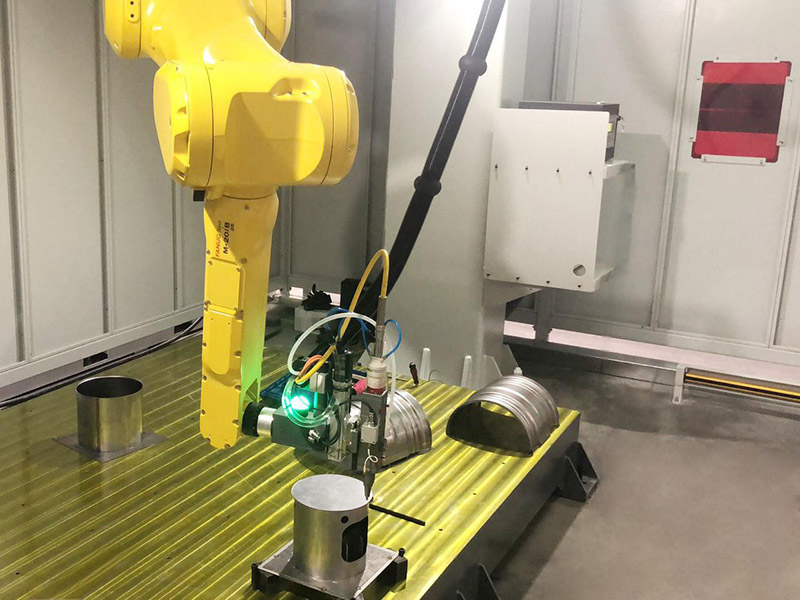
A complete metal laser cutting system usually includes the following key components:
Laser: As the core power source of laser cutting, its performance directly affects the cutting quality and efficiency.
Cutting Gas: The auxiliary gas plays a role in blowing away molten slag, cooling the cutting area, and protecting the material during the cutting process.
Cutting Head: It is a key component for focusing the laser beam and spraying cutting gas, directly interacting with the material to be cut.
Control System: Responsible for precisely controlling the movement trajectory of the laser beam, power output, and the automatic operation of the entire cutting process.
Future Development Trends of Metal Laser Cutting Technology
With the continuous progress of science and technology, metal laser cutting technology is also developing continuously, showing the following important trends:
Continuous Improvement of Laser Performance: Lasers with higher power, higher beam quality, and higher stability will continue to emerge, enabling laser cutting to handle thicker and more difficult-to-process metal materials and achieve higher cutting efficiency.
Continuous Optimization of Cutting Processes: Develop more environmentally friendly, efficient, and high-quality cutting processes to meet the special needs of different materials and application scenarios.
Improvement of Automation and Intelligence Level: Laser cutting equipment will become more intelligent, integrating advanced sensing, detection, and adaptive control technologies to further reduce manual intervention, improve the flexibility and intelligence level of production, and realize unmanned or less-manned production.
In conclusion, metal laser cutting processing technology, with its unique advantages of high efficiency, precision, and flexibility, is playing an increasingly important role in modern manufacturing. With the continuous innovation and development of technology, it will definitely show great application potential in more fields and contribute more to promoting the transformation and upgrading of industrial manufacturing."