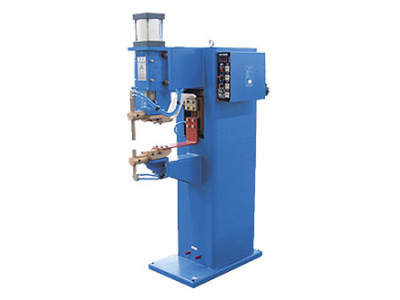
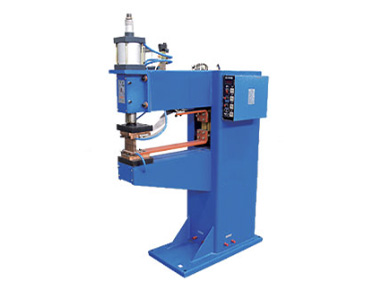
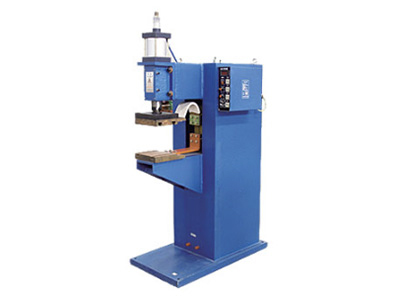
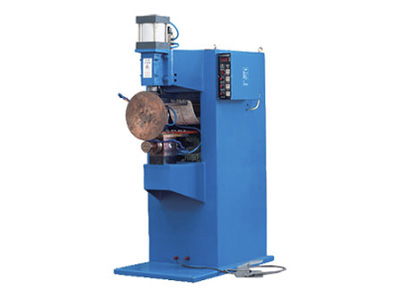
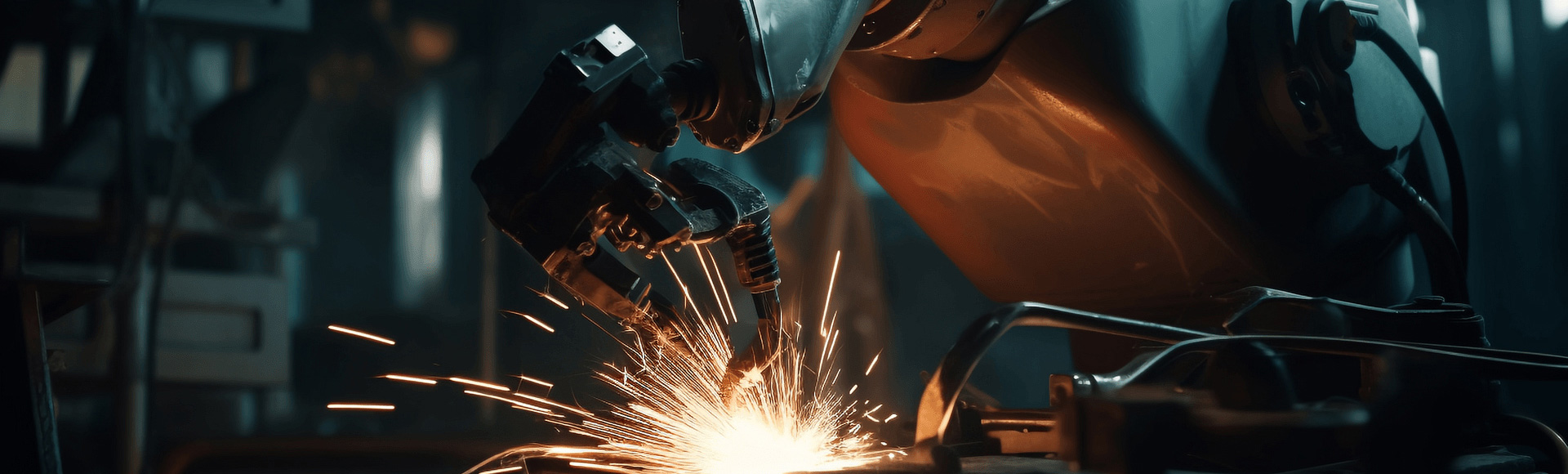
Features of Side Lap Seam Welding Machine
This welder is specially designed for the continuous production line or coating line (galvanizing, tin plating, aluminum plating, etc.) of cold-rolled low-carbon hard steel sheets (strips), serving as a critical equipment for joining coiled steel sheets in surface treatment lines. It is also widely applicable in industries such as vehicles, shipbuilding, and automotive, making it an ideal solution for cold-rolled low-carbon thin sheet materials.
The welding speed, welding pressure, welding width, welding current, and return speed of this welder can all be adjusted steplessly. Users can select the optimal parameters based on the process requirements of different (workpiece) materials.
Technical Parameters of Narrow Lap Seam Welder
|
Parameter category |
Parameter value |
|
Welding material |
Low carbon steel plate |
|
Steel plate thickness |
0.16-0.8 mm |
|
Steel plate width |
650~1250 mm |
|
Lap thickness |
0~6 mm |
|
Punching diameter |
Φ28 mm |
|
Shearing angle |
Max 2° |
|
Shearing force |
Max 160 KN |
|
Electrode wheel width |
12.5 mm |
|
Exit roller diameter |
Φ120 mm |
|
Welding power supply |
Single-phase 380V AC |
|
Cooling water pressure |
0.2~0.3 MPa |
|
Compressed air flow rate |
400 L/min |
|
Welding speed |
0.6~6 m/min |
|
Return speed |
Max 8 m/min |
|
Welding pressure |
Max 7.36 KN |
|
Electrode pressure |
Max 4.5 KN |
|
Roller pressure |
Max 29.45 KN |
|
Clamp pressure |
Max 36 KN |
|
Electrode wheel diameter |
240-280 mm |
|
C-frame movement range |
Max 2400 mm |
|
Welding transformer power |
200 KVA (50%) |
|
Control power supply |
Three-phase 380V AC |
|
Compressed air pressure |
0.5~0.8 MPa |
|
Transformer duty cycle |
50% |
|
Upper electrode wheel stroke |
120 mm |
|
Entrance clamp jaw distance |
100 mm |
|
Exit clamp stroke |
25 mm |
|
Entrance clamp movement distance |
105 mm |
|
Upper shear blade stroke |
210 mm |
|
Lower shear blade stroke |
50 mm |
|
Dual shear blade spacing |
100 mm |
|
Strip steel center height |
1050 mm |
|
Rated input current |
526 A |
|
Hydraulic station pressure |
Max 8.5 MPa |
|
Cooling water flow rate |
2.5 m³/h |
Types of Seam Welding Machines
Understanding the various types of seam welding machines helps businesses select the right equipment tailored to their specific production needs.
1. Resistance Seam Welding Machines
Resistance seam welders are the most common type, using electrical resistance and pressure to generate heat at the weld joint. Two rotating copper alloy wheels act as electrodes, pressing the metal sheets together while a current passes through, melting and fusing the metals.
Features:
No filler material required
Suitable for thin to medium-thickness metals like stainless steel, carbon steel, and aluminum
Produces smooth, airtight, and watertight welds
Cost-effective and energy-efficient
Applications: Automotive fuel tanks, HVAC ducts, metal cans, and battery casings.
2. Longitudinal Seam Welding Machines
These machines specialize in welding along the length of cylindrical or flat sheet metal components, such as pipes, tanks, and ducts. They often incorporate advanced automation, CNC controls, and support multiple welding processes like TIG, MIG, plasma, or laser welding.
Benefits:
Precise clamping and alignment for straight welds
High repeatability and consistent quality
Adaptable to various materials including aluminum and stainless steel
Ideal for standardized industrial parts production
Industries: Water heaters, boilers, aerospace components, and mufflers.
3. Automatic Seam Welding Machines
Automatic seam welding machines integrate programmable controls, sensors, and robotic arms to streamline the welding process, enhancing productivity and reducing human error.
Key features:
Adjustable welding parameters (current, pressure, speed)
Continuous and intermittent welding modes
High precision with smart sensors for weld defect detection
Energy-efficient operation and robust construction
Used extensively in high-volume manufacturing such as container production, automotive assembly lines, and aerospace fabrication.