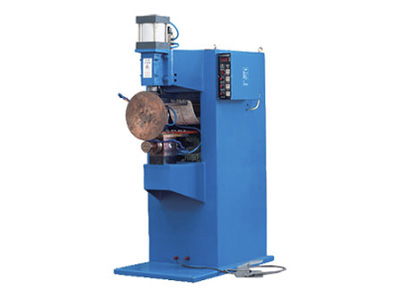
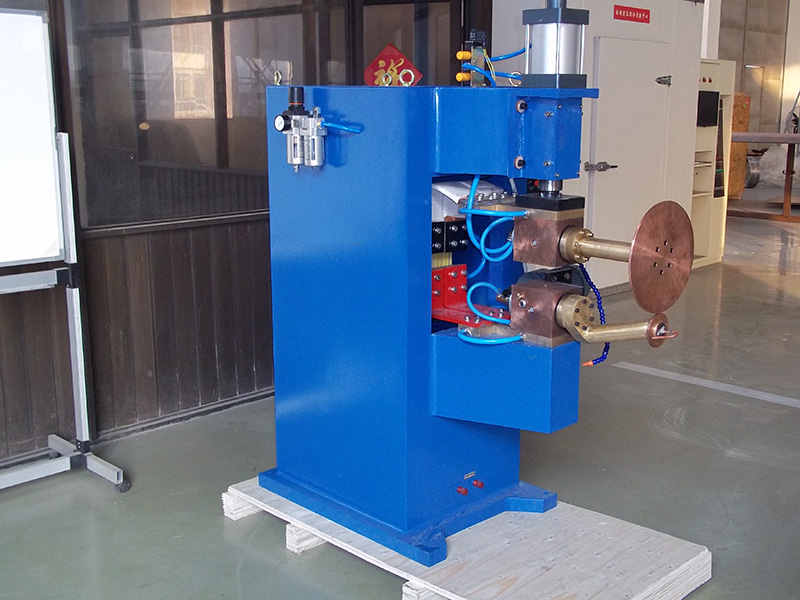
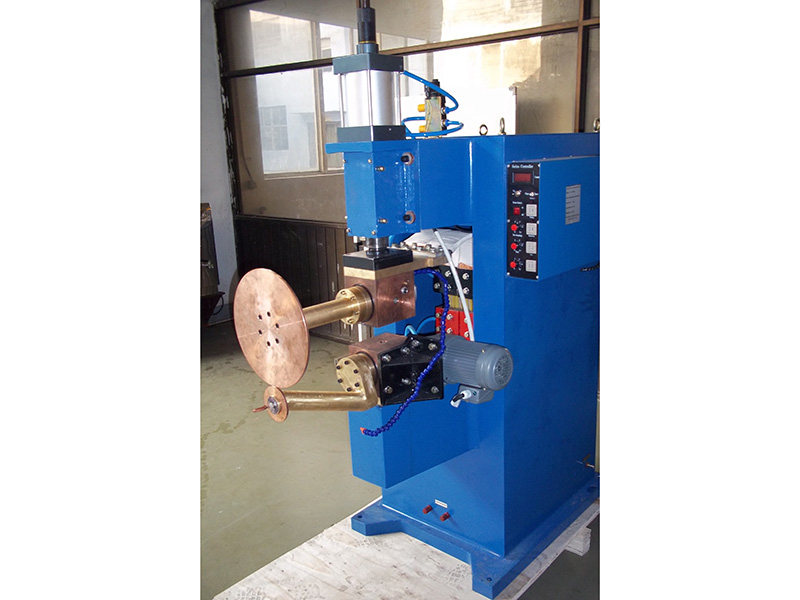
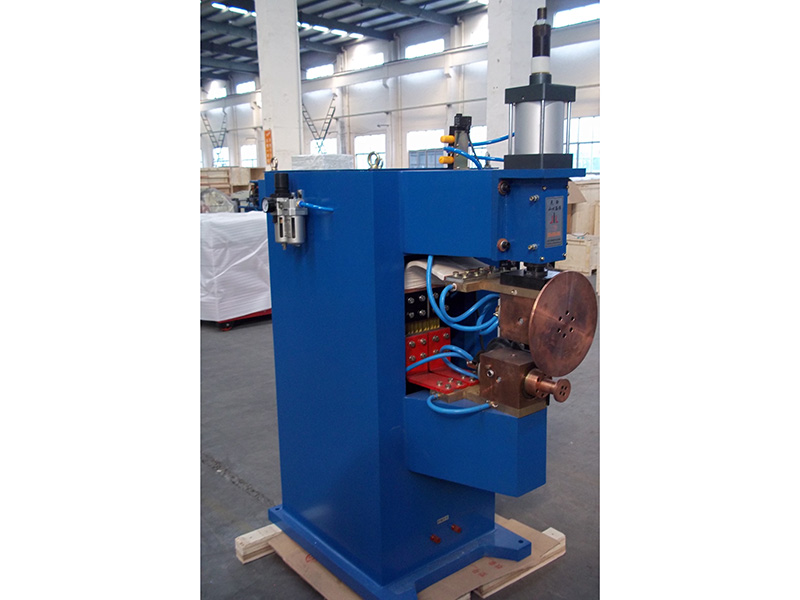
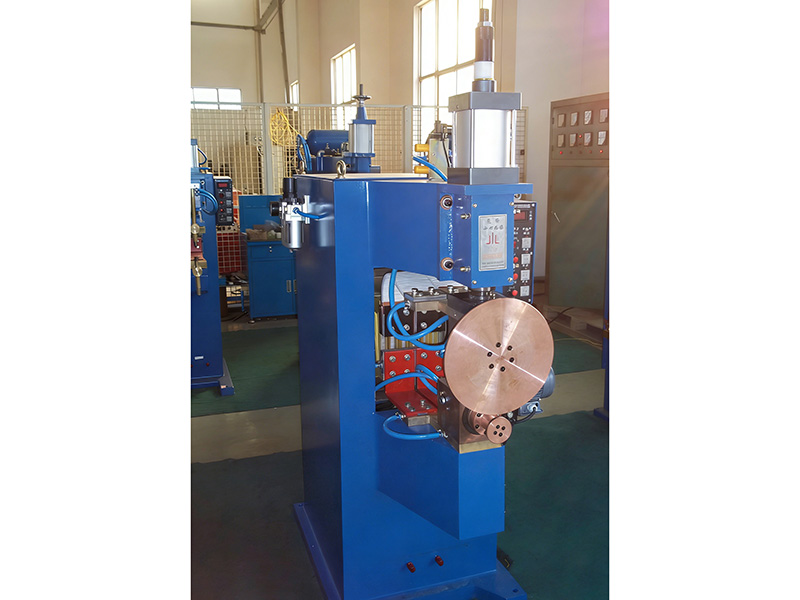
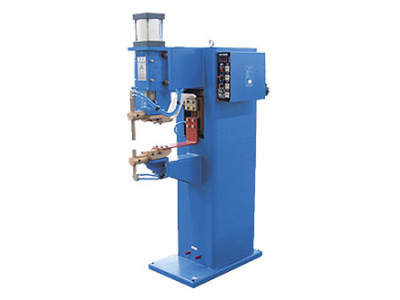
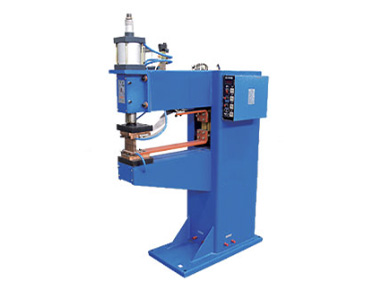
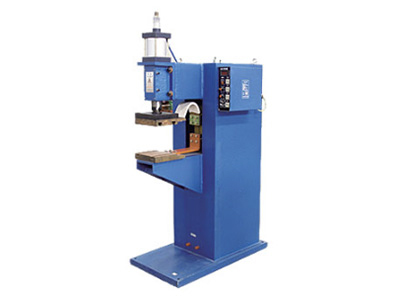
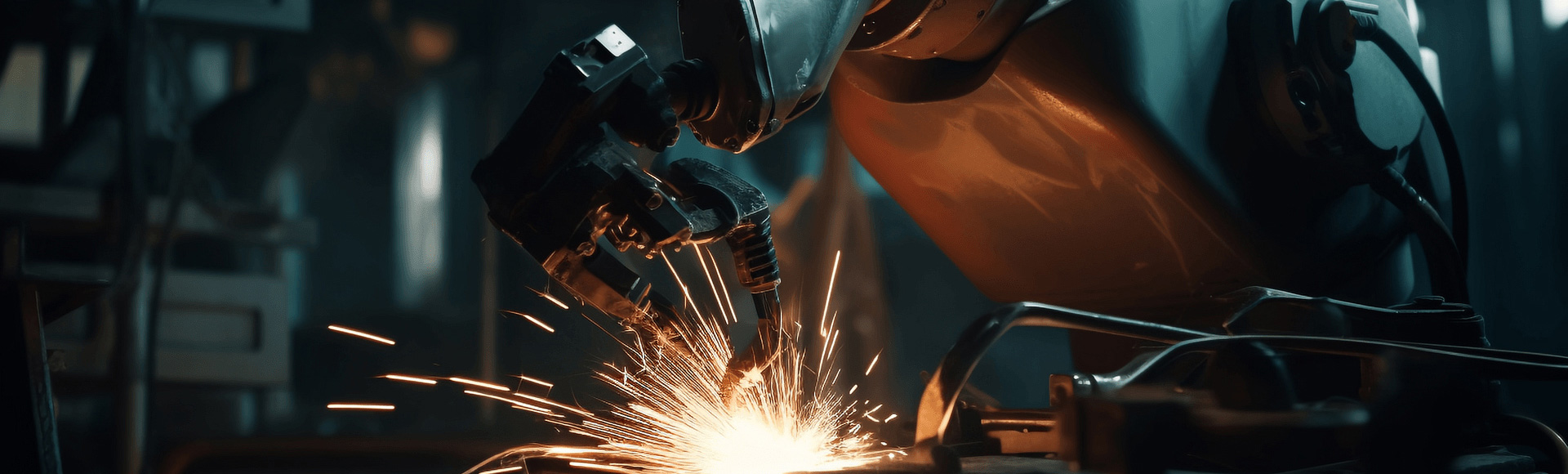
Features of Resistance Seam Welding Machine
High-quality cylinders and pneumatic components ensure fast response and stable, reliable operation of the pneumatic system.
The new-generation digital controller is simple and dependable.
Dual closed-loop feedback control maintains constant motor speed and stable welding speed.
Dual-wheel drive meets the needs of large structural components.
Ideal equipment for welding thin parts such as fuel tanks, air storage cylinders, solar water heaters, pipelines, and instrument housings.
Technical Parameters of Seam Welding Machine
|
Model |
FN-75II |
FN-100II |
FN-125II |
FN-160II |
|
Rated capacity (KVA) |
75 |
100 |
125 |
160 |
|
Input voltage |
Single-phase 380V 50Hz |
|
Input current (A) |
197 |
263 |
328 |
420 |
|
No-load output voltage (V) |
6.1 |
7.2 |
8 |
8.5 |
|
Rated duty cycle |
50% |
|
Max welding thickness (Low carbon steel) (mm) |
2+2 |
2.5+2.5 |
3+3 |
3.5+3.5 |
|
Welding speed |
0.8-3.2m/min |
|
Electrode travel |
20mm |
|
Cooling water flow |
120L/h |
|
Machine weight (kg) |
620 |
720 |
810 |
930 |
A seam welding machine is a specialized welding system designed to join two overlapping metal sheets or components along a continuous seam. The process involves applying pressure and passing an electrical current through the materials via rotating wheel-shaped electrodes, which generate heat through resistance. This heat fuses the metals together, creating a continuous, strong, and uniform weld.
Key advantages of seam welding machines include:
Continuous, leak-proof welds
High-speed operation suitable for mass production
Consistent weld quality with minimal deformation
Automation-friendly features reducing manual labor and errors
Industries such as automotive, aerospace, HVAC, and packaging heavily rely on seam welding machines for producing fuel tanks, mufflers, steel drums, and tin cans.
How Does a Seam Welding Machine Work?
The seam welding machine working principle involves several coordinated steps:
Setup: Overlapping metal sheets are positioned between two rotating copper electrodes aligned along the seam line.
Pressure Application: Electrode wheels press the metal sheets together, ensuring proper contact.
Electrical Current Flow: A high-amperage, low-voltage current passes through the electrodes and metals, generating heat due to electrical resistance.
Localized Melting: Heat melts a narrow strip of the overlapping metals.
Weld Formation: Pressure from the wheels forges the molten metal into a continuous weld as the wheels roll along the seam.
Cooling: Water-cooling systems prevent overheating of electrodes and maintain weld quality.
This process results in strong, uniform, and leak-proof seams suitable for structural or fluid-containing components.