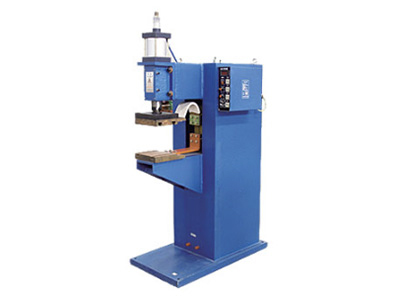
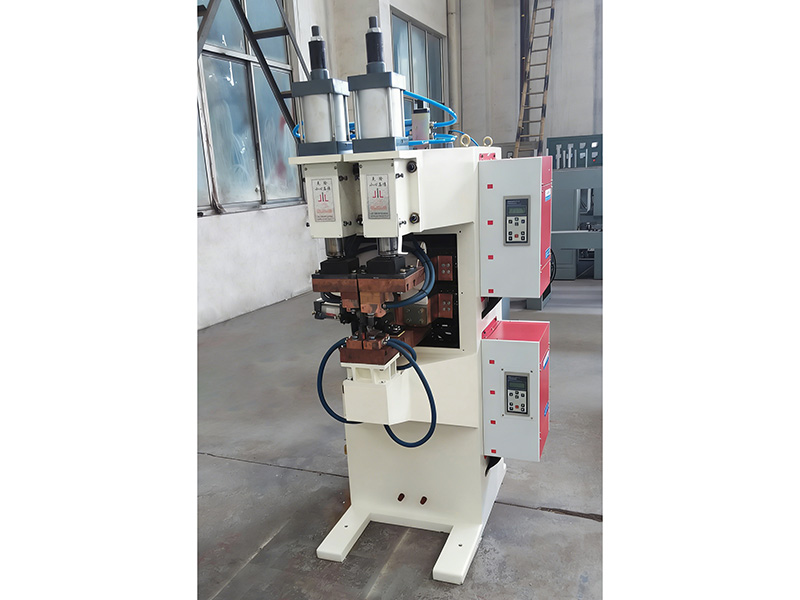
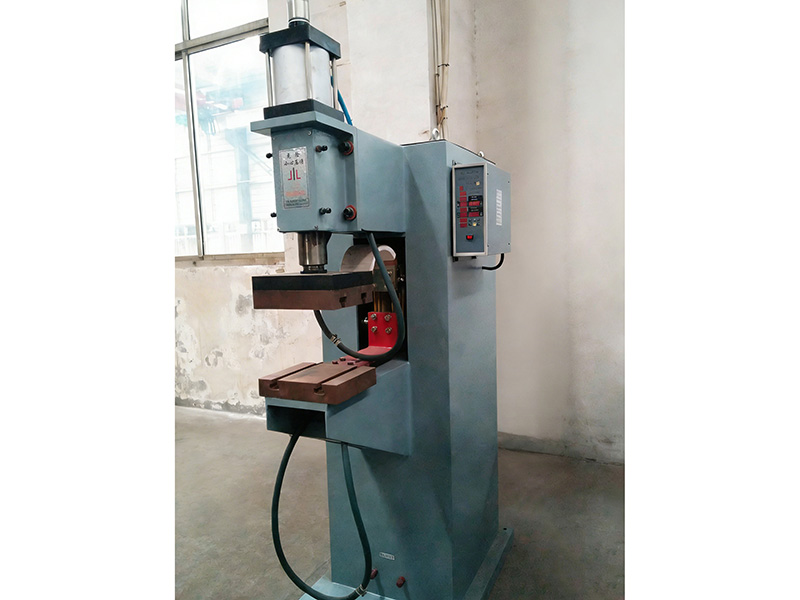
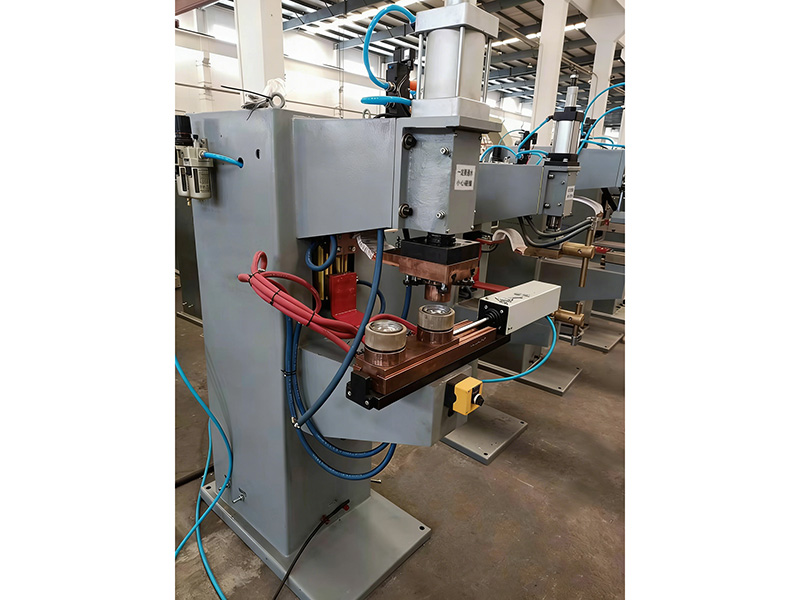
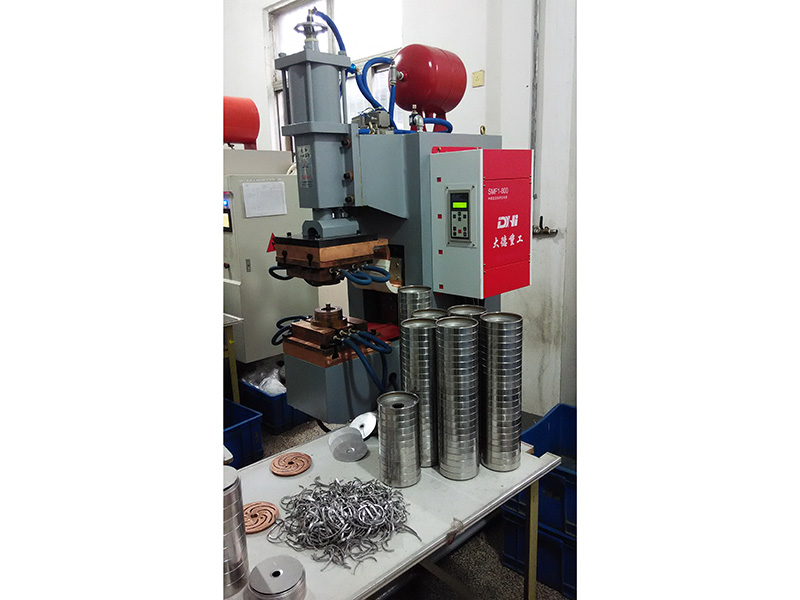
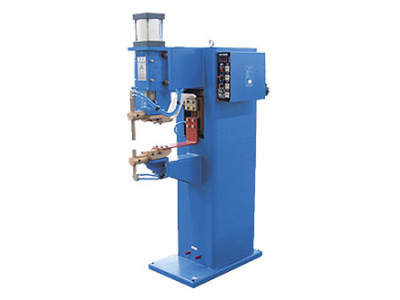
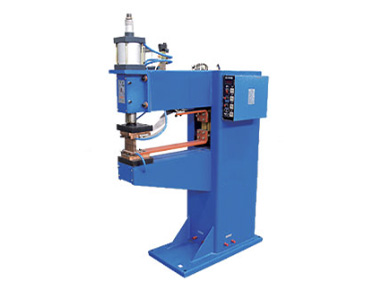
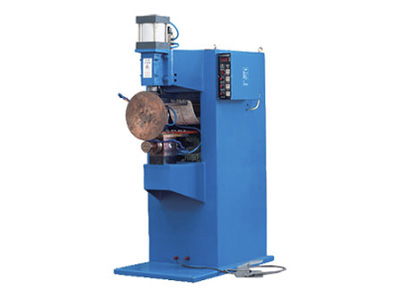
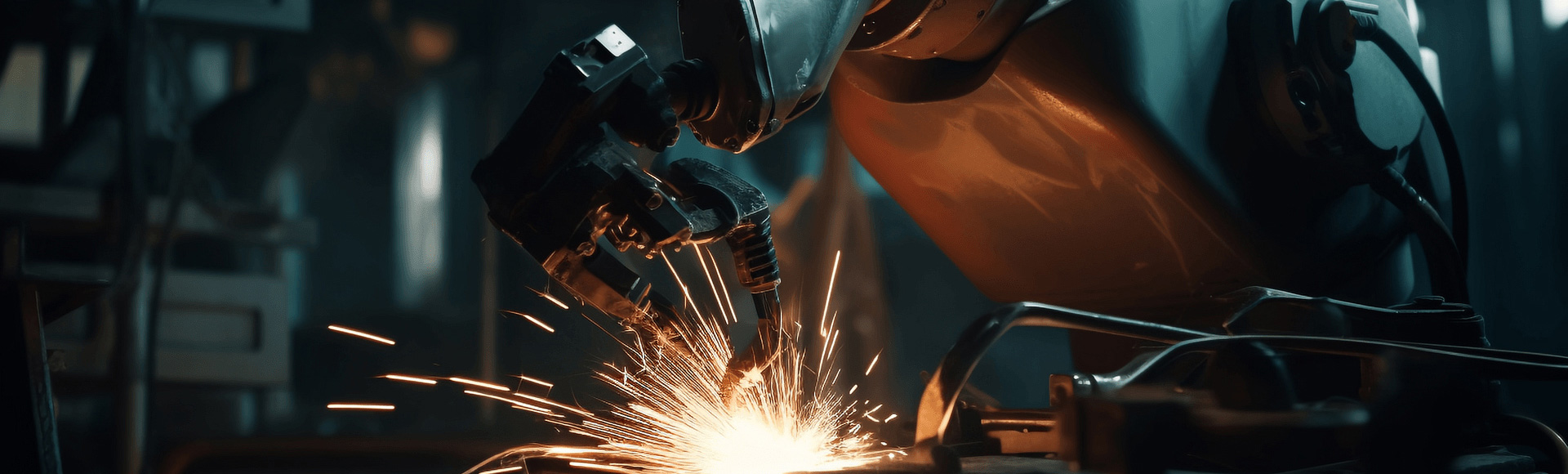
Features of Projection Welding Machine
High-quality cylinders and valves ensure stable and reliable operation of the pneumatic system.
The new-generation digital controller is simple and dependable.
Optionally equipped with a new MCU controller as needed.
Capable of welding parts with a thickness ratio exceeding 1:6, especially suitable for welding covers, screens, shells, as well as various special-shaped parts such as T-sections and cross-shaped components.
Tchnical Parameters of Projection Welding Machine
|
Model |
Rated capacity (kVA) |
Input voltage |
Input current (A) |
No-Load voltage (V) |
Duty cycle |
Electrode extension (mm) |
Adjustment |
Welding thickness (mm) |
|
DT-10 |
10 |
Single-phase 380V |
26.3 |
1.6-3.2 |
50% |
320 |
Stepless |
0.5+0.5-1.5+1.5 |
|
DT-15 |
15 |
39.5 |
1.7-3.4 |
320 |
0.5+0.5-2+2 |
|
DT-25 |
25 |
65.8 |
1.76-3.52 |
350 |
1+1-3+3 |
|
DT-35 |
35 |
80 |
4.56-9.3* |
400 |
1+1-4+4 |
|
DT-75 |
75 |
197 |
3.52-7.04 |
350 |
1.5+1.5-5+5 |
How to Choose the Right Pneumatic Projection Spot Welding Machine
Selecting the appropriate pneumatic spot welding machine depends on several crucial factors:
1. Material Thickness
Thin metals (e.g., automotive panels, electronics) require lighter-duty or battery-operated welders.
Thick metals (e.g., heavy fabrication, automotive frames) need heavy-duty machines with higher pressure and power.
2. Pressure and Power Requirements
Ensure the machine delivers sufficient pneumatic pressure to hold materials firmly.
Power output must be adequate to generate strong welds without overheating or damaging components.
3. Production Volume
Low-volume operations benefit from simple, manual, or bench-top welders.
High-volume manufacturing demands automated, heavy-duty pneumatic welders with fast cycle times.
4. Automation Level
Automated machines enhance efficiency, reduce operator fatigue, and improve weld consistency.
Manual welders offer flexibility but may increase labor costs and risk of errors.
5. Control Mechanisms
Advanced control systems with adjustable timers, pressure settings, and digital interfaces improve weld quality.
Simpler models are more affordable but may lack fine-tuning capabilities.