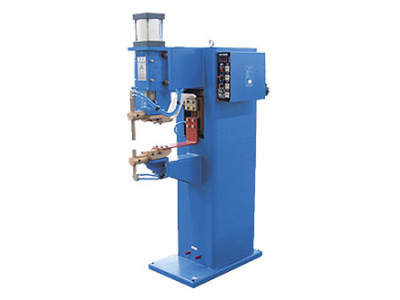
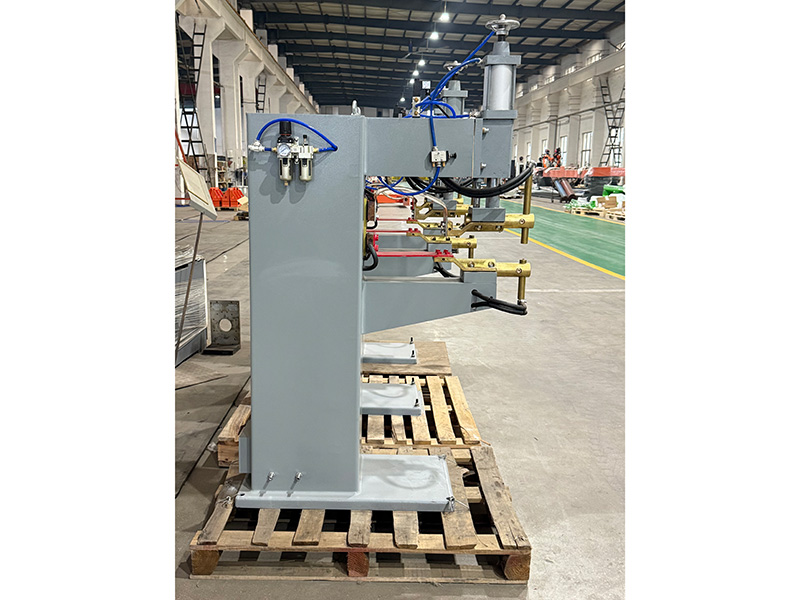
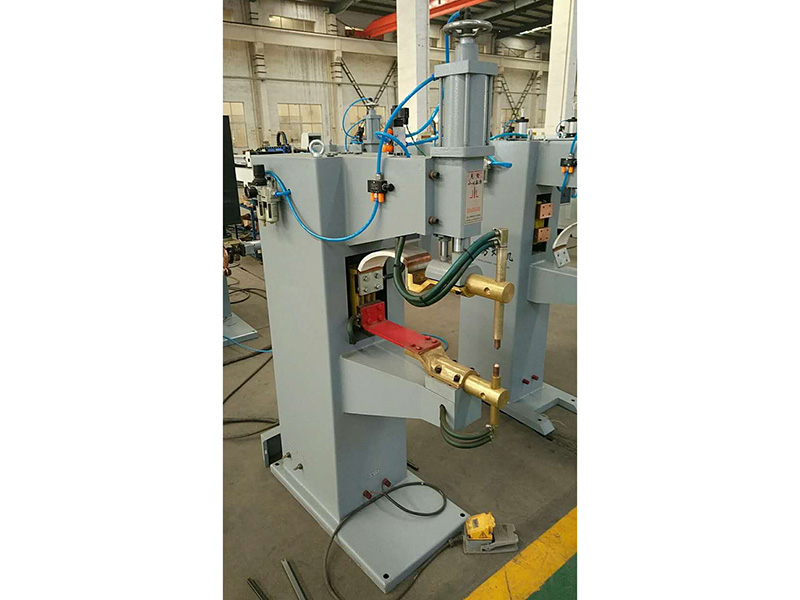
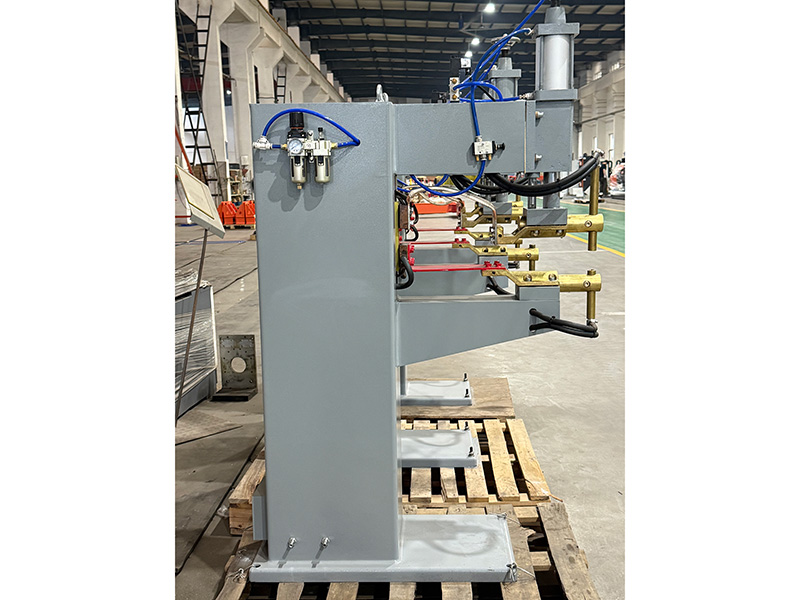
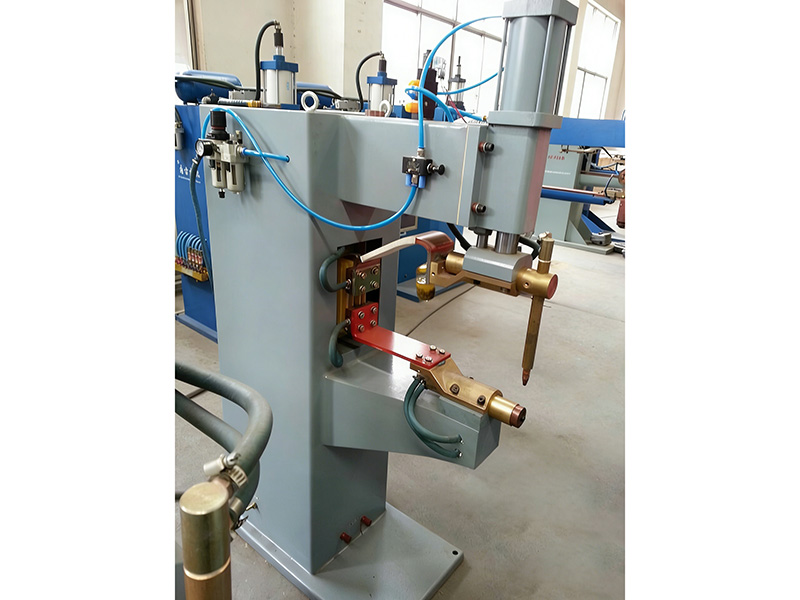
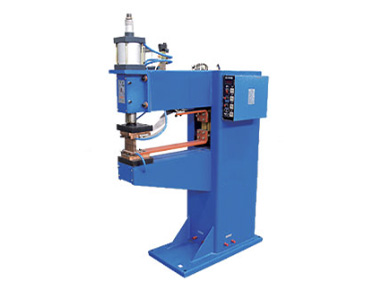
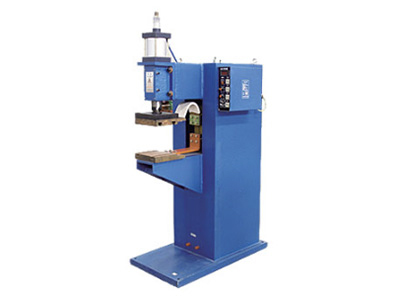
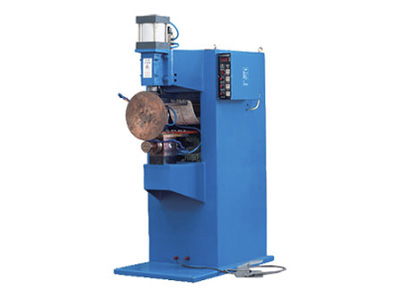
Features of Pneumatic Spot Welding Machine
High-quality cylinders and pneumatic components ensure fast response and stable, reliable operation of the pneumatic system
New-generation digital controller offers simplicity and reliability
Compatible with advanced single-chip controllers
Technical Parameters of Resistance Welding Machine
|
Model |
Rated capacity (KVA) |
Input voltage |
Input current (A) |
No-load voltage (V) |
Duty cycle |
Electrode extension distance (mm) |
Welding thickness (mm) |
|
DN-25 |
25 |
Single-phase
380V 50Hz |
65 |
3.5 |
50% |
350 |
0.5+0.5-3+3 |
|
DN-35 |
35 |
92 |
3.8 |
350 |
0.5+0.5-4+4 |
|
DN-50 |
50 |
131 |
5 |
520 |
1+1-4.5+4.5 |
|
DN-75 |
75 |
197 |
6.3 |
560 |
1+1-5+5 |
|
DN-100 |
100 |
263 |
7.6 |
560 |
1.5+1.5-6+6 |
|
DN-150 |
150 |
395 |
8.4 |
560 |
1.5+1.5-7+7 |
Types of Pneumatic Spot Welding Machines
Pneumatic spot welding machines come in various types, each designed to meet specific industrial and production requirements:
1. Battery-Operated Pneumatic Spot Welders
Portable and ideal for on-site repairs where power sources are limited.
Common in aerospace and aircraft maintenance.
Best suited for thin metals and smaller-scale operations.
2. Bench Top Pneumatic Spot Welders
Compact machines designed for small workshops or assembly benches.
Efficient for low-volume production and thin-gauge metals.
Increasingly popular due to their low energy consumption and space-saving design.
3. Heavy-Duty Pneumatic Spot Welders
Built for thick metal sheets and high-volume manufacturing.
Used extensively in automotive bodywork and heavy metal fabrication.
Provide higher pressure and power for superior weld strength.
4. Handheld Pneumatic Spot Welders
Lightweight and portable for use in tight or restricted spaces.
Widely used in automotive repair shops.
Offer convenience and flexibility but with lower power compared to bench or heavy-duty models.