In modern industrial production, automation and intelligentization have become crucial for improving efficiency and ensuring quality. As a fundamental manufacturing process, the automation transformation of welding is particularly important. As the core equipment for achieving automated welding, welding robots are being widely used in various industries with their advantages of precision, efficiency, and safety, becoming a vital force driving the upgrading of manufacturing.
I. Welding Robots: Definition and Core Value
A
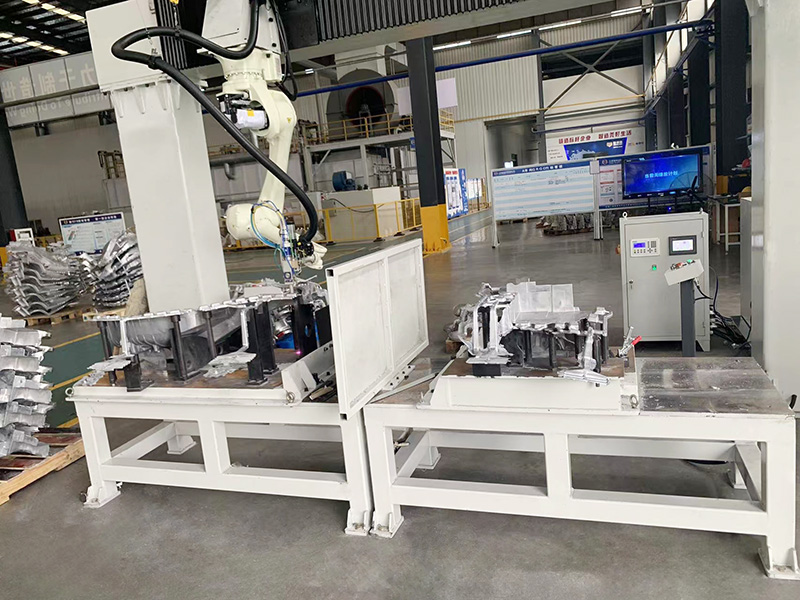
welding robot is an industrial robot integrated with a mechanical arm, welding system, and intelligent control system, capable of independently completing welding operations through preset programs or real-time sensing technology. Compared with traditional manual welding, it is not only a tool for ""replacing human labor"" but also a core solution for improving production standardization, reducing costs, and ensuring operational safety. Its core value lies in transforming the welding process from relying on human experience to a controllable automated process, bringing multiple improvements in quality, efficiency, and safety to the manufacturing industry.
II. Common Types of Welding Robots and Their Applicable Scenarios
Based on welding process principles and application requirements, welding robots can be divided into various types, each suitable for different materials, workpieces, and precision requirements:
1. Resistance Spot Welding Robots
By passing a strong current through the metal parts to be welded, resistance heat is used to melt and join the contact points. They are suitable for mass welding of thin-plate structures such as automobile bodies and home appliance frames, featuring fast welding speed and firm joints.
2. Laser Welding Robots
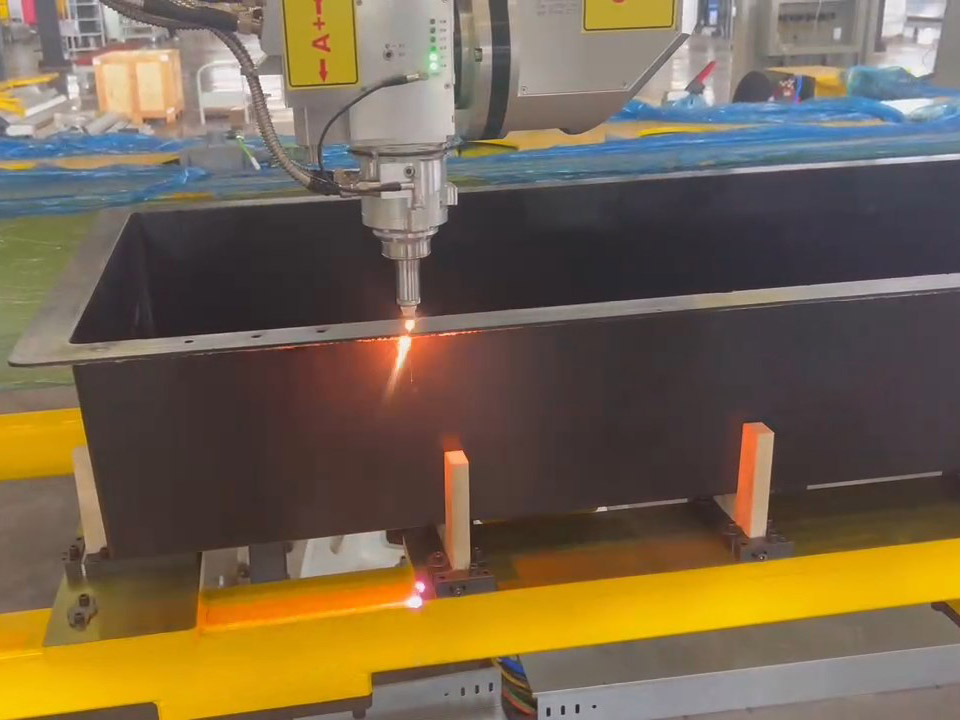
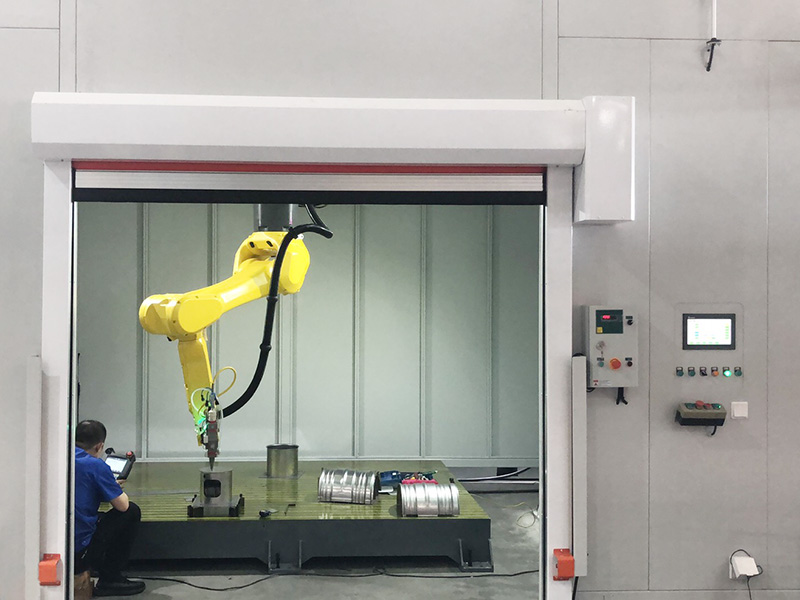
Utilizing a high-energy laser beam focused on the welding area to instantly melt materials and form welds, with precision up to the micrometer level. They are suitable for welding small precision parts such as electronic components and medical devices, especially for complex-shaped welding requirements.
3. Hybrid Laser Welding Robots
Combining the high precision of laser welding and the penetration depth advantage of arc welding, they can handle welding scenarios with larger gaps. They are commonly used in welding thick-plate structures (such as pressure vessels and large mechanical components), balancing efficiency and joint strength.
4. Shielded Metal Arc Welding (SMAW) Robots
Using welding rods coated with flux, the arc heat melts the electrode and base metal to form welds. They are suitable for welding various metals and alloys, and perform stably especially in field operations or complex working conditions.
5. Gas Tungsten Arc Welding (GTAW/TIG) Robots
Adopting a non-consumable tungsten electrode and inert gas protection, the welds have high purity and beautiful formation. They are suitable for fields with strict welding quality requirements such as stainless steel and aluminum alloys, like aerospace components and food equipment.
6. Thin Gauge Arc Welding Robots
Designed for thin metal plates (such as automobile panels and electronic enclosures), they precisely control current and welding speed to avoid material warping due to overheating, ensuring welding accuracy of thin-walled workpieces.
7. Plasma Welding Robots
Using a compressed arc to generate high-temperature plasma jets, with concentrated and controllable energy. They are suitable for welding refractory metals (such as titanium alloys and superalloys), enabling deep penetration welding and high-speed welding.
8. Gas Metal Arc Welding (MIG/MAG) Robots
Through continuous wire feeding and protection by inert or active gases, they have high welding efficiency and strong adaptability. They are the mainstream welding equipment in automotive manufacturing, mechanical processing and other industries, capable of handling various welding needs from thin plates to medium-thick plates.
III. Main Application Fields of Welding Robots
With diverse types and strong adaptability, welding robots have penetrated into multiple core areas of manufacturing:
1. Automobile Manufacturing
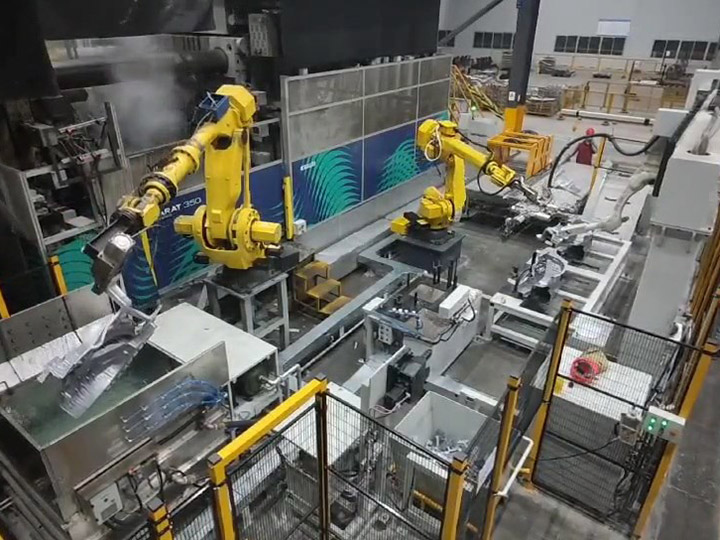
From body frames, chassis to engine components, welding robots undertake more than 70% of the welding workload. Through standardized operations, they ensure the consistency and strength of body welding, while shortening the production cycle to meet the ""high output, high quality"" demand of the automotive industry.
2. Aerospace
Key components such as aircraft fuselages and engine turbine blades have extremely high requirements for welding precision and reliability. Welding robots achieve precise welding of complex structures through laser welding, TIG welding and other processes, ensuring the safety of aerospace components in extreme environments.
3. Electronic Equipment
In consumer electronics fields such as mobile phones and computers, welding robots are used for welding precision components like circuit board pins and battery tabs. Through laser or micro-arc welding technology, they achieve micrometer-level precision, avoiding errors from manual operations.
4. Mechanical Manufacturing
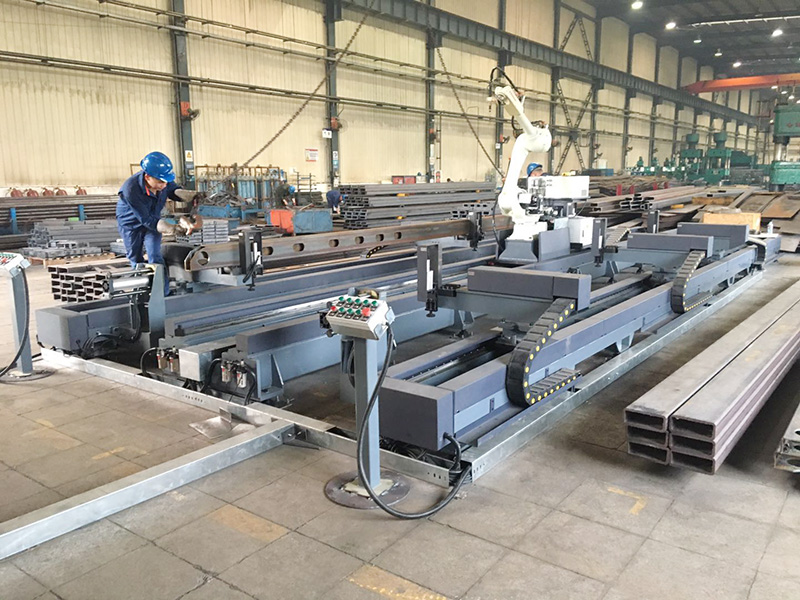
Welding of large components such as machine tool beds and engineering machinery structural parts relies on the high load capacity and continuous operation capability of welding robots, reducing quality fluctuations caused by human fatigue and improving the durability of mechanical products.
IV. Core Advantages of Welding Robots Compared to Manual Welding
Welding robots have become the ""new favorite"" in manufacturing due to their significant advantages over manual welding:
1. More Stable Welding Quality
Robots control welding path, current, speed and other parameters through programming, with the consistency error of each weld controllable within 0.1mm, avoiding quality fluctuations caused by fatigue and experience differences in manual operations.
2. Significantly Improved Operational Safety
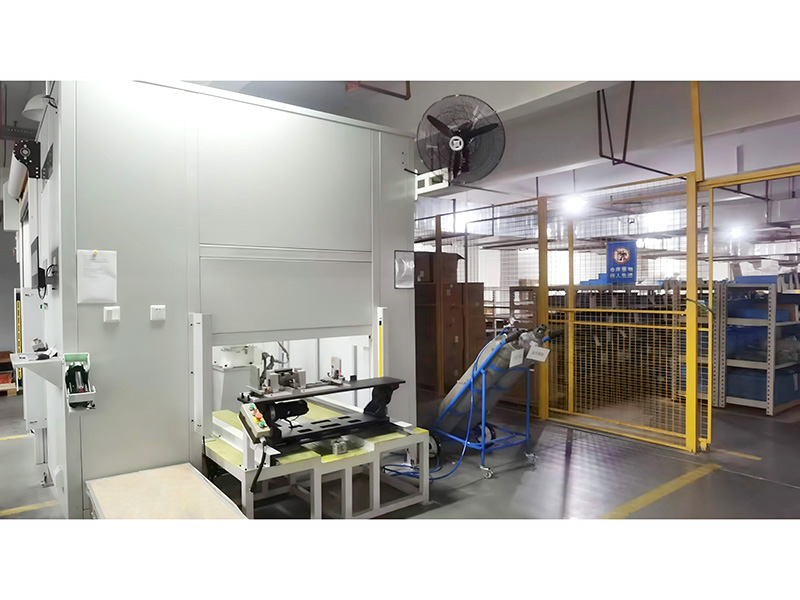
Arc light, smoke and high temperature generated during welding are harmful to the human body. Robots can work in closed or semi-closed environments, reducing workers' exposure time to hazardous environments and lowering occupational health risks.
3. Greatly Increased Production Efficiency
Robots can work continuously 24 hours a day, with a welding speed 2-3 times that of manual welding, and no need for shutdown rest. Especially in mass production, they can significantly shorten the delivery cycle.
4. Strong Flexibility and Adaptability
By reprogramming or replacing tooling, the same robot can quickly switch welding tasks, adapting to the production needs of multi-variety and small-batch, reducing production line adjustment costs.
5. Optimized Human Resource Allocation
Workers are liberated from repetitive and high-intensity welding work and transferred to higher-value positions such as programming, maintenance, and quality inspection, realizing an efficient ""human-machine collaboration"" production mode.
V. Future Development Trends of Welding Robots
With the advancement of artificial intelligence and sensor technology, welding robots are developing towards being more intelligent, collaborative, and (multifunctional):
1. Intelligentization: Autonomous Decision-Making and Adaptive Welding
Future welding robots will integrate AI visual recognition and weld tracking sensors, enabling real-time identification of weld positions, adjustment of welding parameters, and even independent response to complex situations such as material thickness changes and workpiece deformation, reducing reliance on manual programming.
2. Collaboration: Safe Human-Machine Collaborative Operation
Collaborative welding robots will be equipped with force sensors and collision detection technology, allowing close cooperation with workers without safety fences. Workers can directly guide robots to complete complex welds, balancing automation efficiency with manual flexibility.
3. Multifunctionalization: Integrating More Production Links
In addition to welding, future robots may integrate welding quality inspection, grinding, handling and other functions, forming an integrated ""welding-inspection-post-processing"" solution, further shortening the production process and improving the intelligent level of production lines.
Conclusion
Welding robots are not only the ""cornerstone"" of manufacturing automation but also the ""accelerator"" driving industrial upgrading. From automotive to aerospace, from electronics to mechanical manufacturing, they are reshaping traditional welding processes with stable quality, efficient production and safe operation modes. As technology continues to iterate, welding robots will unleash potential in more fields, injecting sustained impetus into the intelligent and green development of the manufacturing industry."