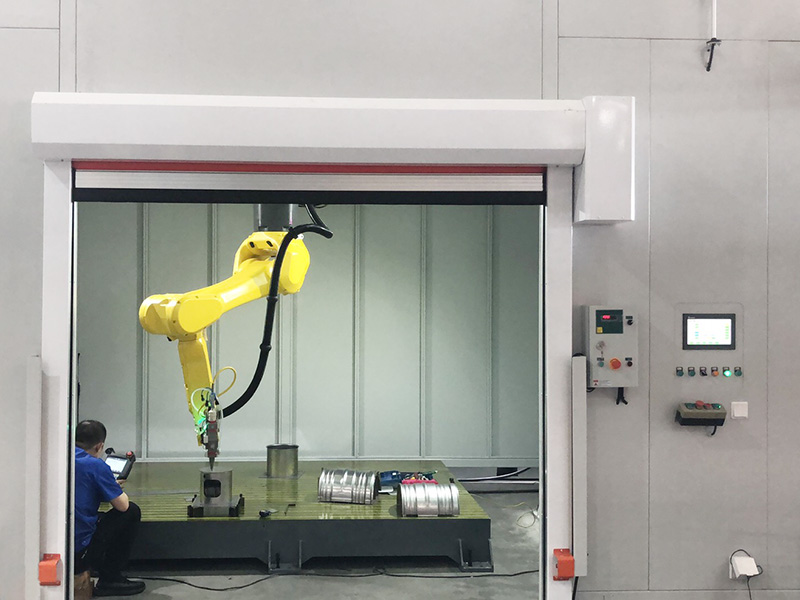
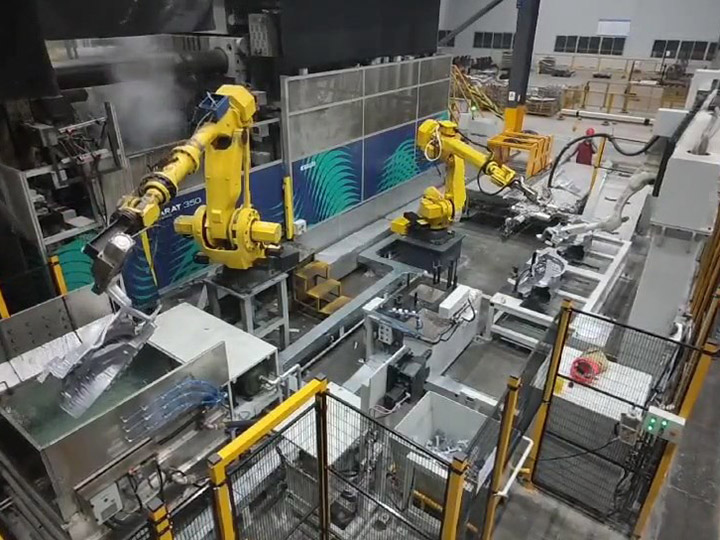
In modern industrial production, high efficiency and precision are key to enhancing competitiveness. As a device integrating automation technology and welding processes, automatic welding machines are becoming an important choice for many manufacturing enterprises with their unique advantages. Whether in metal processing, automobile manufacturing, or electronic component production, automatic welding machines can reduce manual intervention and optimize welding processes, bringing dual improvements in production efficiency and product quality for enterprises. This article will comprehensively analyze automatic welding machines from functional characteristics, usage skills to purchase guides, helping you gain an in-depth understanding of this ""capable assistant"" in industrial production.
I. Core Functional Characteristics of Automatic Welding Machines: Why They Are the Preferred Choice for Industrial Production?
Automatic welding machines are widely used due to their significant advantages in efficiency, quality, and adaptability. The following are their core functional characteristics:
1. High Degree of Automation, Reducing Labor Dependence
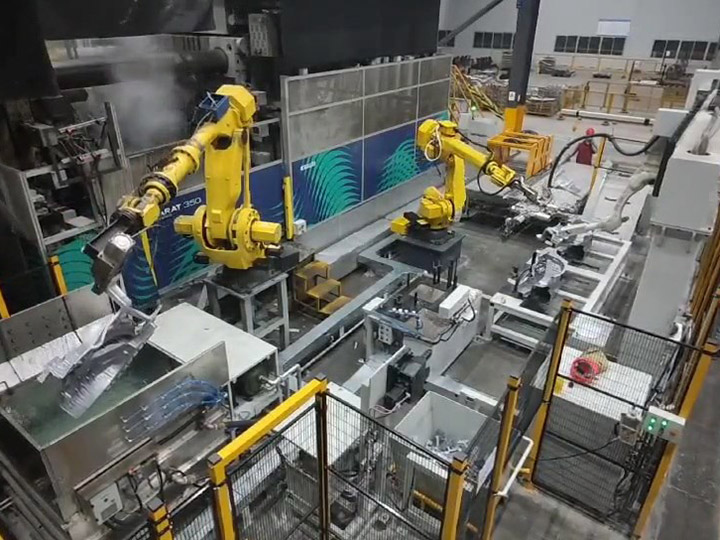
Automatic welding machines can automatically complete the entire process from workpiece positioning, welding parameter adjustment to welding process monitoring through preset programs and intelligent control systems. This means no need for continuous manual operation, which not only reduces reliance on skilled welders but also avoids production fluctuations caused by human operation errors, making the production process more stable and controllable.
2. Fast Welding Speed, Shortening Production Cycle
Compared with traditional manual welding, automated operation can significantly improve welding speed. The equipment can precisely control the welding rhythm according to workpiece requirements, reducing non-welding time (such as workpiece adjustment, parameter debugging, etc.), thereby greatly shortening the production cycle of a single product. For mass production scenarios, this advantage can be directly transformed into increased production capacity.
3. Strong Quality Consistency and High Weld Stability
The quality of manual welding is often affected by factors such as the operator's experience and state, while automatic welding machines can ensure that indicators such as penetration, width, and appearance of each weld remain consistent through precise parameter control (such as current, voltage, welding speed, etc.). This stability not only improves the overall quality of the product but also reduces the rework rate caused by welding defects.
4. Beautiful Weld Seams, Enhancing Product Appearance Value
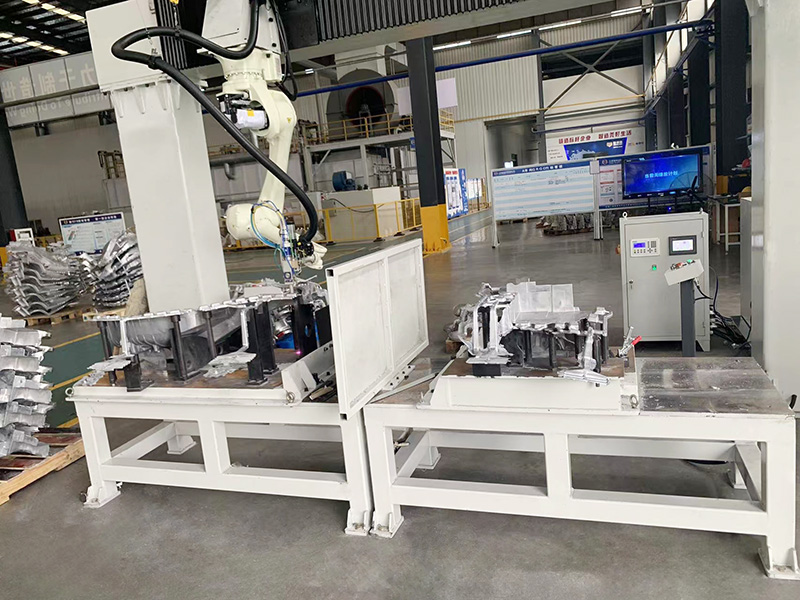
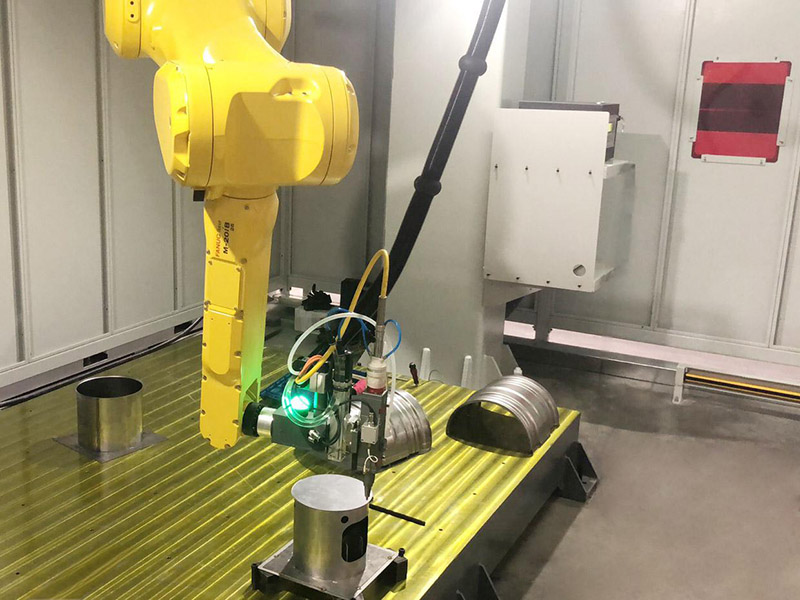
Automatic welding machines use robotic arms or fixed rail-type welding heads with precise movement trajectories, which can avoid problems such as ""undercutting"" and ""weld beads"" that may occur in manual welding. The welded seams are flat and smooth, meeting high appearance standards without additional grinding, which is especially suitable for fields with strict requirements on product surface quality (such as medical devices, precision instruments, etc.).
5. Wide Range of Applicable Materials, Meeting Multi-Scenario Needs
Whether it is metal materials such as carbon steel, stainless steel, aluminum alloy, or some thermoplastics (such as PP, PE, etc.), automatic welding machines can achieve stable welding by adapting to different welding processes (such as arc welding, laser welding, ultrasonic welding, etc.). This wide material adaptability enables it to meet the production needs of multiple industries such as automotive, electronics, home appliances, and pipelines.
II. Usage Skills of Automatic Welding Machines: From Operation to Maintenance, Improving Equipment Efficiency
To give full play to the performance of automatic welding machines, correct use and maintenance are crucial. The following are practical operation skills to help you ensure stable operation of the equipment and extend its service life:
1. Before Operation: Prepare the Equipment and Workpieces
- Carefully Study the Instruction Manual: Different models of automatic welding machines vary in structure and function. Before use, you need to thoroughly understand the equipment's operation process, safety precautions, and parameter adjustment range to avoid equipment damage or safety accidents caused by improper operation.
- Comprehensively Check the Equipment Status: Before starting the machine, check whether all parts of the equipment are firmly installed (such as welding head, fixtures, cables, etc.), whether the circuit and gas path are unobstructed, and whether the cooling system is normal. If loose parts or abnormalities are found, they should be handled in a timely manner before starting.
- Workpiece Pretreatment: Before welding, clean the workpiece surface of oil, rust, oxide layers, and other impurities to ensure the welding surface is clean and avoid impurities affecting welding quality. At the same time, adjust the fixtures according to the workpiece size to ensure the workpiece does not shift during welding.
2. During Welding: Precisely Adjust Parameters and Pay Attention to Welding Effect
- Adjust Parameters According to Material and Process: Different materials (such as thick steel plates, thin aluminum plates) and different welding processes (such as MIG welding, TIG welding) have different requirements for current, voltage, and welding speed. It is recommended to determine the optimal parameters through trial welding before mass production. For example, when welding thick metal, the current can be appropriately increased; when welding thin materials, the current needs to be reduced and the speed increased to avoid burn-through.
- Monitor the Welding Process in Real-Time: Although the equipment has a high degree of automation, it is still necessary to pay attention to the sparks, molten pool state, and weld formation during the welding process. If problems such as pores and cracks appear in the weld, stop the machine in time to check whether the parameter settings or workpiece positioning are incorrect.
- Strictly Abide by Safety Regulations: High temperatures, electric arcs, and fumes are generated during welding. Operators need to wear protective glasses, high-temperature resistant gloves, welding masks, and other protective equipment to avoid direct contact with high-temperature parts. At the same time, ensure good ventilation in the work area to reduce the impact of fumes on the human body.
3. After Use: Timely Maintenance to Extend Equipment Life
- Regularly Clean the Equipment: After welding, promptly clean the welding slag and spatter from the welding head, wipe the oil from the guide rails and transmission parts, and keep the equipment clean to avoid impurity accumulation affecting movement accuracy.
- Check Vulnerable Parts: Regularly check the wear of vulnerable parts such as welding nozzles, electrodes, and wire feed wheels. If aging or damage occurs, replace them in time to ensure stable welding quality.
- Properly Store the Equipment: When not in use for a long time, cut off the power supply, clean the equipment surface, and store it in a dry and ventilated environment to avoid damage to the equipment by moisture or corrosive gases.
III. Automatic Welding Machine Purchase Guide: How to Choose the Right Equipment for Yourself?
There are various types of automatic welding machines on the market with large differences in functions and prices. When choosing, you need to consider your own needs and avoid blindly following the trend. The following are the key purchasing points:
1. Clarify Your Own Needs: Starting from the Production Scenario
- Welding Materials: First determine the type of materials to be welded (metal or plastic), thickness, and material characteristics (such as whether it is easy to oxidize), which directly determines the welding process of the equipment (such as arc welding is suitable for metals, ultrasonic welding is suitable for plastics).
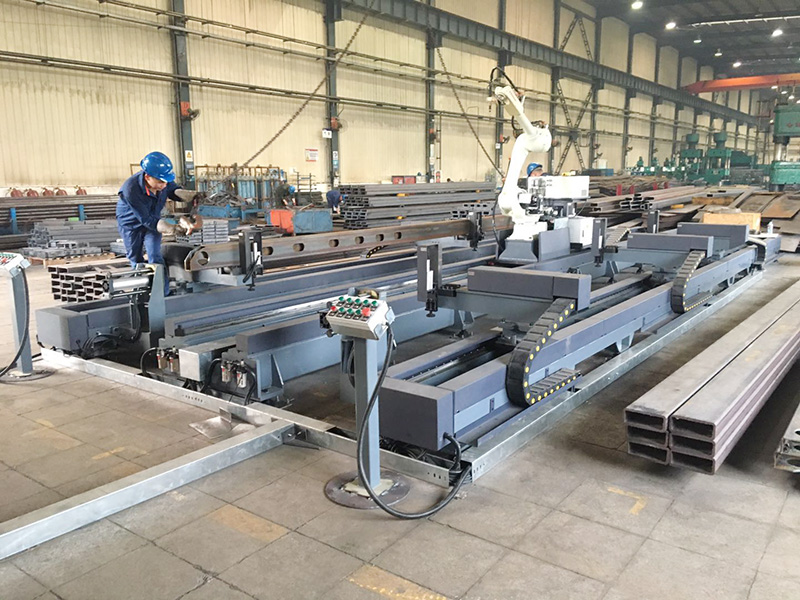
- Workpiece Size and Output: If you need to weld large workpieces (such as pressure vessels), you need to choose equipment with a robotic arm or a large workbench; for small-batch, multi-variety production, you can consider a more flexible small automatic welding machine.
- Welding Precision Requirements: For scenarios with high requirements for weld appearance and strength (such as aerospace components), you need to choose equipment with a high-precision control system; for ordinary industrial parts welding, you can focus on cost performance.
2. Compare Equipment Performance: Focus on Core Indicators
- Degree of Automation: Some equipment supports fully automatic loading and unloading and multi-station switching, suitable for large-scale production; basic models may require manual auxiliary clamping, suitable for small and medium batch production. Choose according to production automation needs.
- Stability and Reliability: The stability of the equipment directly affects production efficiency. You can judge its durability by understanding the general evaluation of the equipment's motor, control system brand, and fuselage structure material.
- Ease of Operation: Choose equipment with a user-friendly interface and intuitive parameter adjustment, which can reduce the learning cost of operators and reduce production problems caused by operation errors.
3. Reasonably Plan the Budget: Balance Performance and Cost
The price of automatic welding machines ranges from tens of thousands to hundreds of thousands of yuan. You need to set a budget according to your own production capacity and quality requirements. Not the higher the price, the better. Focus on ""demand matching"" - for example, small and medium batch production does not need to pursue high-end configurations; choose equipment that can meet basic welding requirements and has low maintenance costs.
4. Refer to User Feedback and Technical Support
- User Reviews: Learn about other users' feedback on the equipment through industry exchanges, online platforms, etc., focusing on the equipment's failure rate and after-sales service response speed.
- Supplier Services: Choose suppliers that can provide installation and commissioning, operation training, after-sales maintenance and other services to ensure timely technical support during equipment use and reduce downtime.
Conclusion: Automatic Welding Machine - An ""Accelerator"" for Industrial Production Upgrading
Under the trend of industrial automation, automatic welding machines are becoming a core tool to improve production efficiency and ensure product quality. Whether it is large enterprises pursuing large-scale production or"