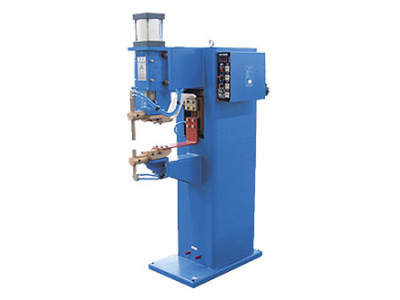
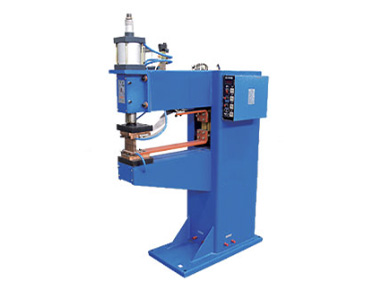
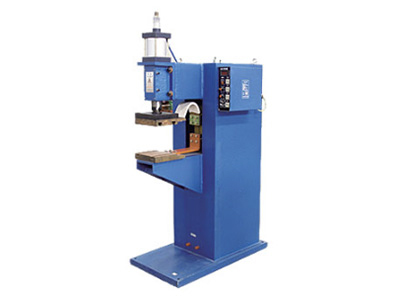
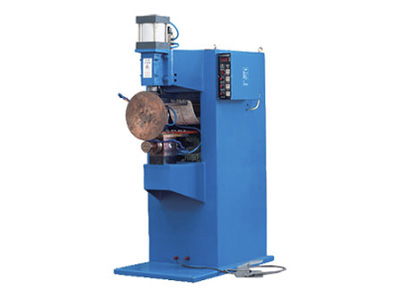
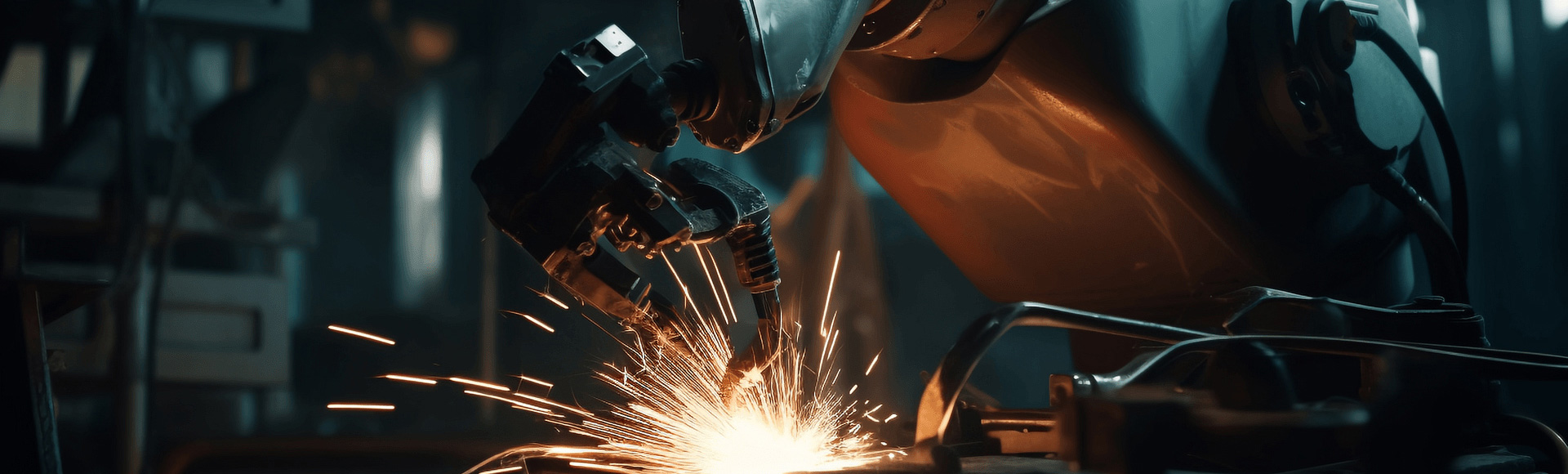
Features of Resistance Seam Welder
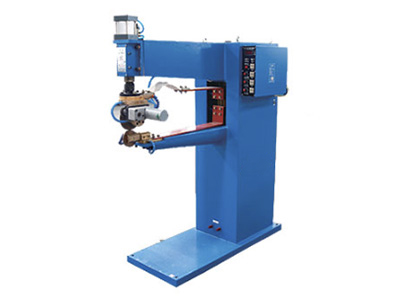
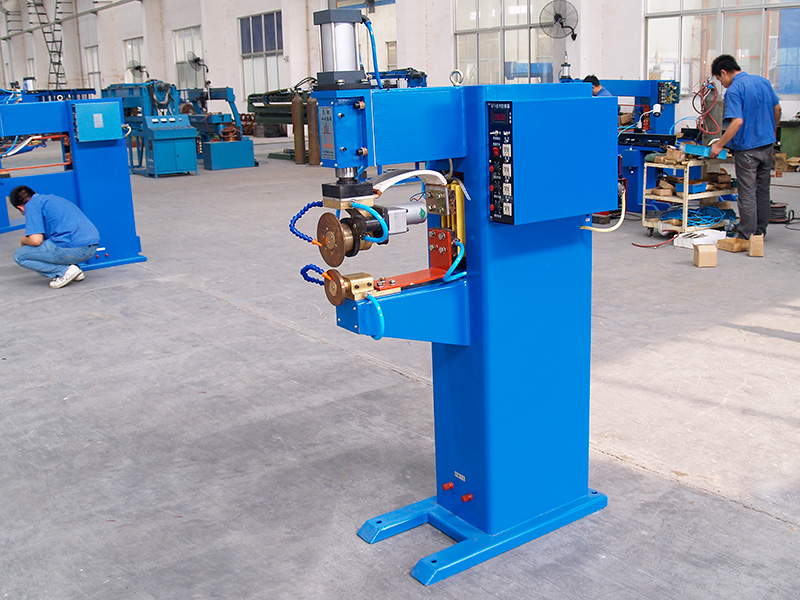
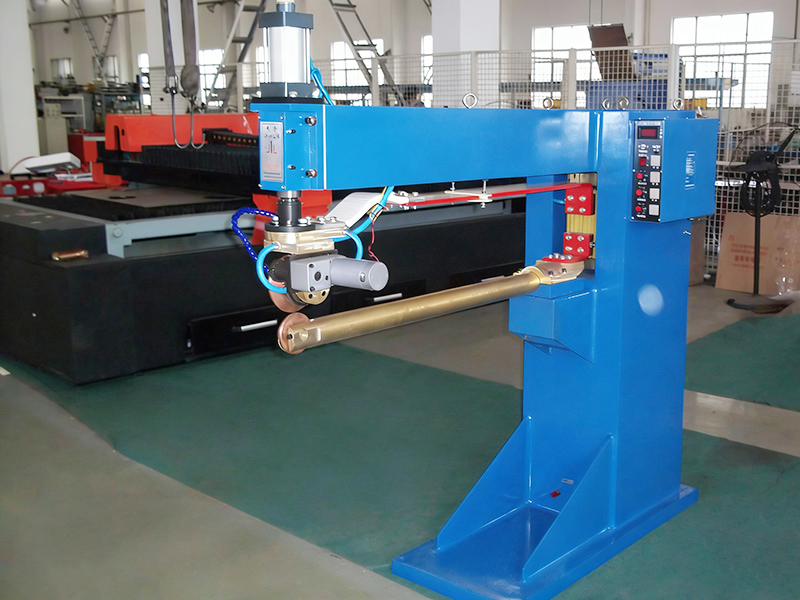
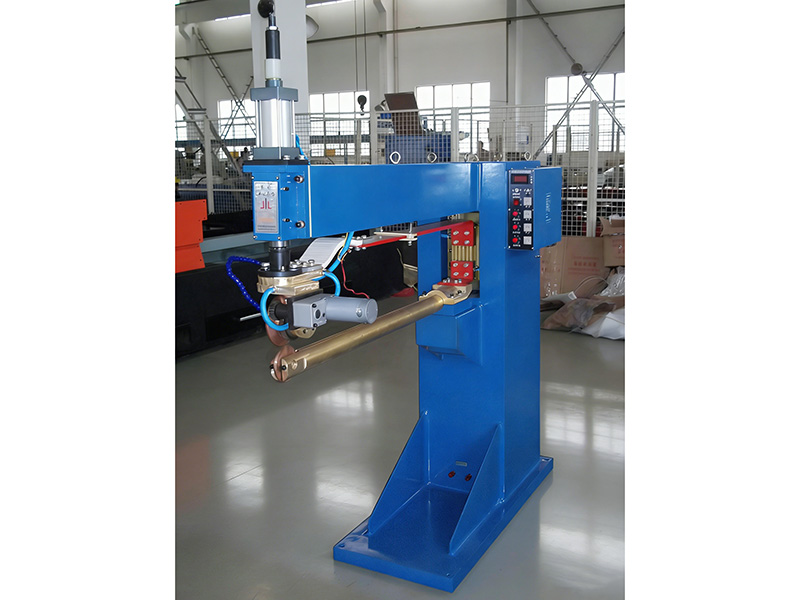
High-quality cylinders and pneumatic components ensure reliable operation of the pneumatic system
The new-generation digital controller is simple and dependable
The welder offers longitudinal, transverse, fixed, or interchangeable longitudinal/transverse welding modes
Technical Parameters of Seam Welding Machine
|
Model |
FN-35 |
FN-50 |
FN-75 |
FN-100 |
FN-125 |
FN-160 |
|
Rated capacity (KVA) |
35 |
50 |
75 |
100 |
125 |
160 |
|
Input voltage |
Single-phase 380V 50Hz |
|
Input current (A) |
92 |
131 |
197 |
263 |
328 |
420 |
|
No-load output voltage (V) |
4.2 |
5 |
6.1 |
7.2 |
8 |
8.5 |
|
Rated duty cycle |
50% |
|
Max welding thickness (Low carbon steel, mm) |
1+1 |
1.5+1.5 |
2+2 |
2.5+2.5 |
3+3 |
3.5+3.5 |
|
Welding speed |
0.8-3.2m/min |
|
Electrode stroke |
20mm |
|
Cooling water flow |
120L/h |
|
Machine weight (kg) |
470 |
500 |
620 |
720 |
810 |
930 |
How to Choose the Right Seam Welding Machine
Selecting the ideal seam welding machine involves analyzing several factors:
Material Compatibility: Ensure the machine supports the metals and thicknesses you work with—stainless steel, aluminum, copper, etc.
Welding Technology: Choose between resistance, laser, ultrasonic, or hybrid welding based on precision and production speed requirements.
Automation Needs: Consider machines with programmable controls and integration capabilities for automated lines.
Production Volume: Match machine capacity with your output demands to avoid under- or over-investment.
Budget and Total Cost of Ownership: Factor in purchase price, maintenance, energy consumption, and potential downtime.
Vendor Reputation and Support: Opt for manufacturers with proven expertise, quality products, and robust after-sales service.
Frequently Asked Questions (FAQs)
Q1: What is the difference between resistance and laser seam welders?
Resistance seam welders use electrical resistance to generate heat, ideal for robust, high-volume applications. Laser welders use focused light beams for precise, delicate welds, suitable for intricate or thin materials.
Q2: Can seam welding machines weld dissimilar metals?
Some machines can weld dissimilar metals, but suitability depends on the welding technology and material properties. Resistance seam welding generally works best with metals of similar electrical resistance.
Q3: How can I maintain my seam welding machine?
Regular cleaning, inspection of electrodes, calibration, and timely replacement of wear parts are essential. Always follow manufacturer guidelines and ensure proper alignment to prevent defects.
Q4: Are seam welding machines energy-efficient?
Modern seam welding machines incorporate energy-saving features such as optimized power management and programmable controls, reducing operational costs.