Welding Robot Production Line: Core Advantages In Enhancing Manufacturing Efficiency And Quality
Release time:2026-04-03
Visits:410
In today's rapidly developing manufacturing environment, enterprises are constantly seeking effective ways to improve production efficiency, ensure product quality, and reduce costs. As a highly automated production system,
welding robot production lines are gradually becoming the ideal
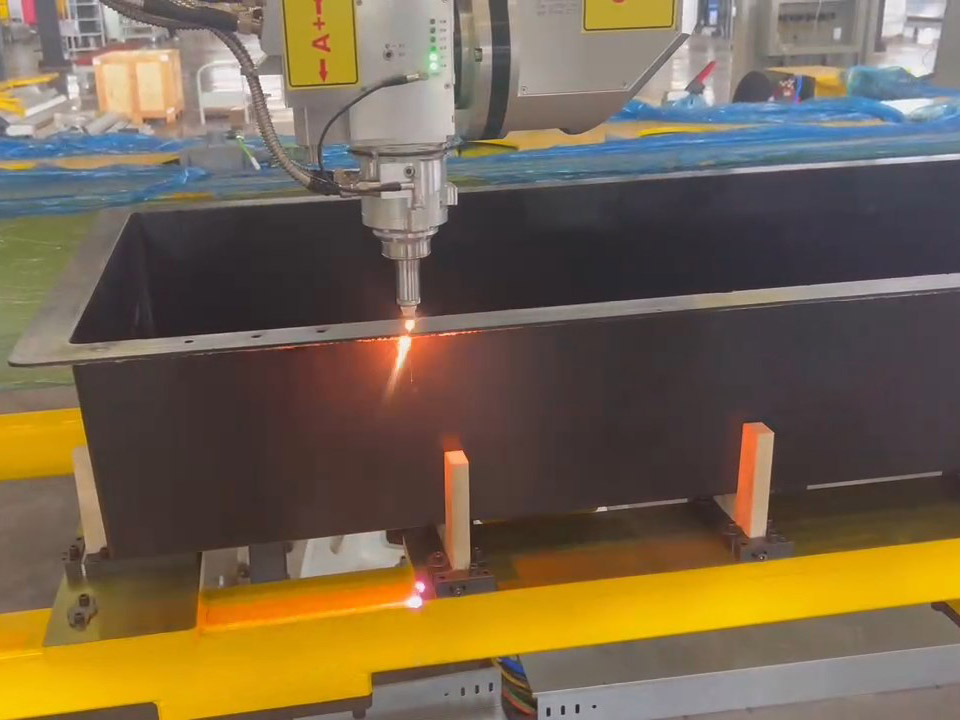
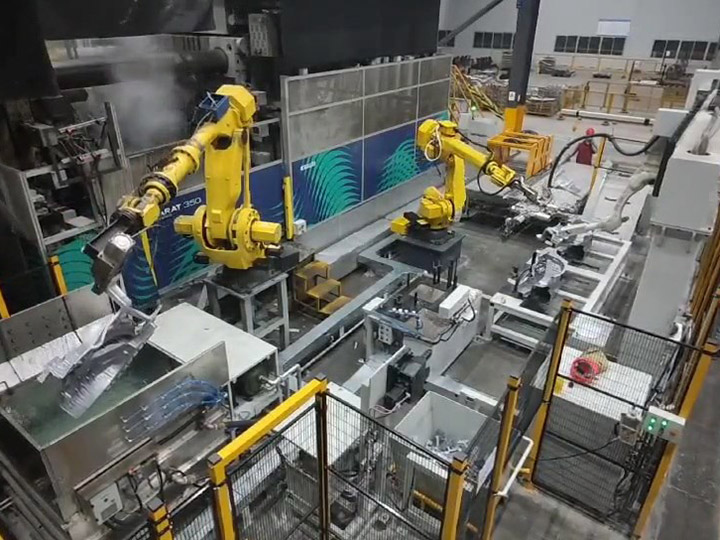
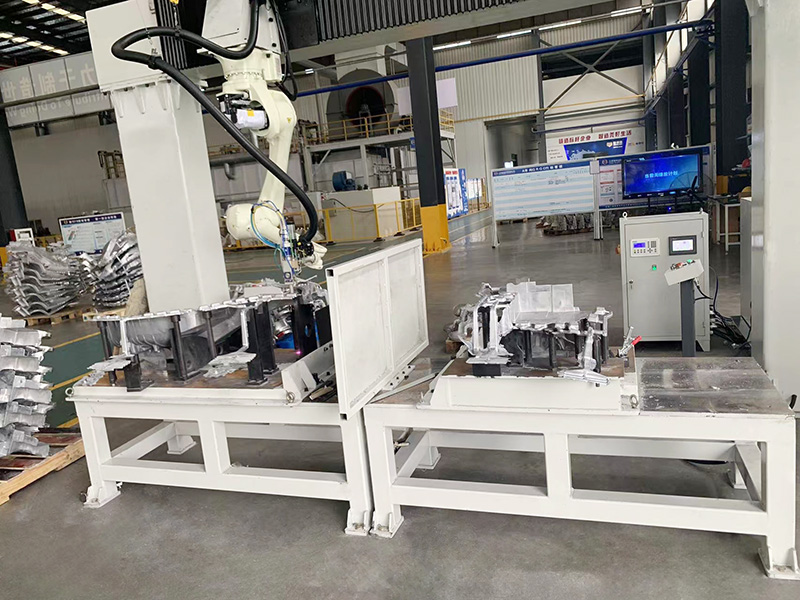
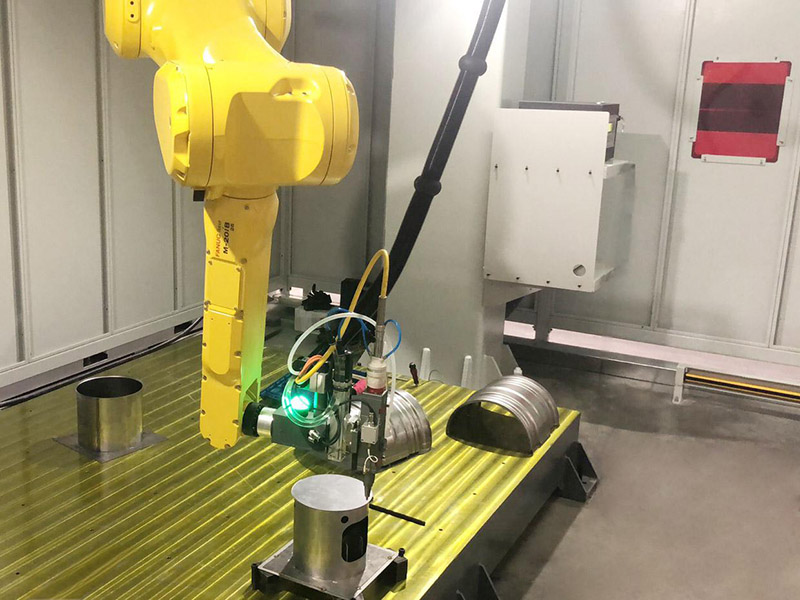
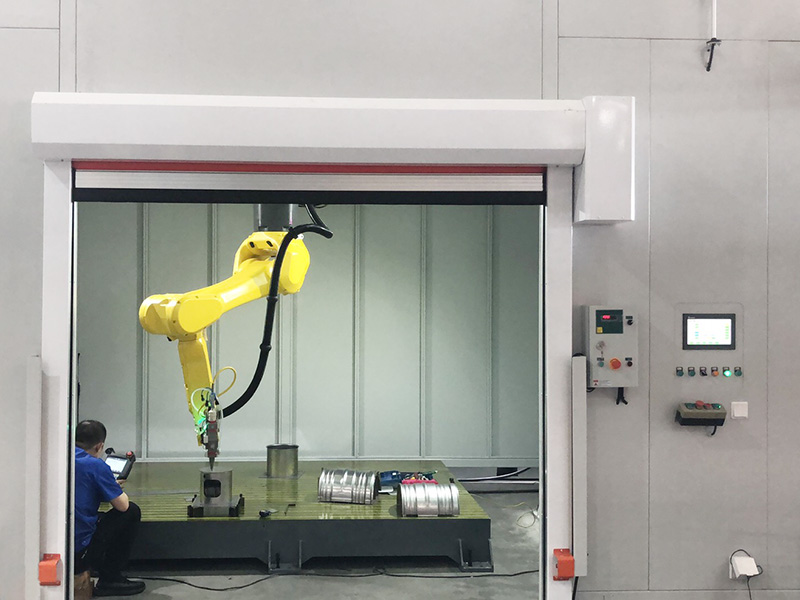
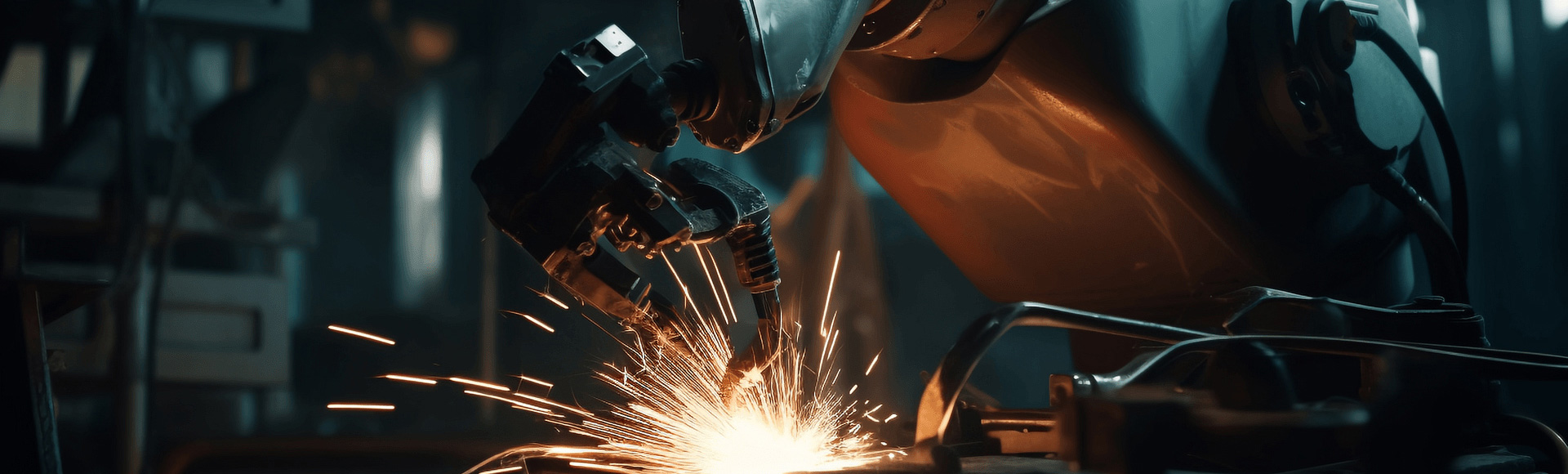
choice for many manufacturing enterprises. Composed of multiple welding robots working collaboratively, they can accurately and efficiently complete various complex welding tasks. Especially in fields with stringent requirements for welding precision, production efficiency, and operational reliability, welding robot production lines demonstrate unparalleled technological advantages.
I. Significantly Improve Production Efficiency and Output
One of the most notable advantages of welding robots is their excellent automation capability. Compared with manual welding, robots can operate continuously 24 hours a day without rest, significantly reducing production downtime. They can efficiently handle multiple welding tasks simultaneously, optimize production processes, thereby significantly shortening production cycles and effectively increasing output per unit time. This high-efficiency operation mode directly helps enterprises reduce the manufacturing cost per unit product and enhance market competitiveness.
II. Ensure High Consistency and Stability of Welding Quality
Welding quality is a crucial link in the manufacturing process. Welding robots operate through pre-programmed precise paths and welding parameters, minimizing errors that may be caused by human factors. This means that each weld can maintain a uniform geometric shape and stable penetration, effectively avoiding common problems in traditional manual welding such as irregular welds and quality fluctuations. Stable welding quality not only improves the overall performance and reliability of products but also reduces rework and scrap rates due to quality issues.
III. Improve Working Environment and Enhance Production Safety
Welding operations are often accompanied by potential hazards such as high temperatures, arc light, and welding fumes, which pose threats to the health of operators. Welding robot production lines enable workers to stay away from these dangerous working environments through automated operations. In some flammable, explosive, or other hazardous locations, robots can complete welding tasks through remote control, fundamentally avoiding the safety risks of manual operations and significantly enhancing the safety of the overall production process.
IV. High Flexibility to Adapt to Diversified Production Needs
Modern manufacturing has increasingly high requirements for production flexibility. Welding robots possess excellent programming flexibility and can quickly adapt to the needs of different products and welding processes. Through simple program adjustments and replacement of fixtures, robots can quickly switch welding tasks to meet small-batch, multi-variety production modes. This strong adaptability enables manufacturing enterprises to more flexibly respond to market changes and fluctuations in customer orders.
V. Optimize Resource Utilization and Achieve Energy Conservation and Environmental Protection
Welding robots exhibit higher efficiency in energy and material utilization. Their precise welding control and intelligent path planning can effectively reduce unnecessary energy consumption and welding material waste. By precisely controlling welding parameters, robots can minimize scrap and rework rates, thereby improving resource utilization, reducing the environmental impact of the production process, and conforming to the sustainable development trend of manufacturing.
VI. Reduce Labor Dependence and Training Costs
The introduction of welding robot production lines can significantly reduce enterprises' dependence on highly skilled welders. Although robot operation and maintenance also require professionals, the relevant training cycle is usually relatively short, and robots can maintain stable high-performance output in long-term production. This not only helps enterprises control labor costs but also alleviates the increasingly severe pressure of skilled worker shortages.
VII. Modular Design and Good Scalability
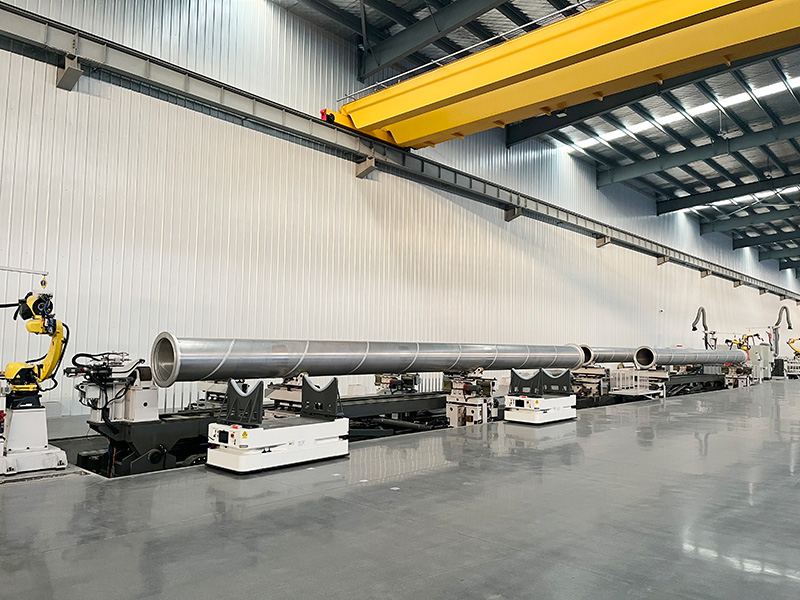
Most welding robot production lines adopt a modular design concept, allowing the configuration of the production line to be flexibly adjusted according to the enterprise's actual production needs. Whether initially establishing a small-scale production line or gradually expanding production capacity according to business development, the modular design can ensure the rapid construction and transformation of the production line to adapt to production tasks of different scales and types.
VIII. Data-Driven Production Process Optimization
Advanced welding robot production lines are usually equipped with comprehensive data collection and analysis systems. These systems can real-time monitor key parameters during the welding process, such as welding current, voltage, speed, and weld quality. Through in-depth analysis of the collected data, enterprises can continuously optimize welding process parameters, predict equipment maintenance needs, further improve production efficiency and product quality, and realize data-based intelligent manufacturing.
IX. Promote a New Production Mode of Human-Robot Collaboration
Some advanced welding robot systems support human-robot collaboration functions, allowing human operators and robots to work safely and efficiently in the same work area. Robots are responsible for repetitive, high-intensity, or high-risk welding tasks, while humans can focus on more creative work such as solving complex problems, quality inspection, and production planning, thereby achieving complementary advantages between humans and robots and further enhancing overall production efficiency and flexibility.
X. Convenient Remote Monitoring and Management
Welding robot production lines support remote monitoring and control functions, enabling managers and technical personnel to real-time view the operating status, key parameters, and production data of the production line in a central control room or through authorized mobile devices. This not only facilitates centralized management and unified scheduling of the production process but also enables rapid response to abnormal situations and remote diagnosis, reducing downtime.
Summary
In summary, welding robot production lines, with their significant advantages in automation level, quality control, production safety, flexibility, resource utilization, cost control, and data management, are becoming a key force driving the manufacturing industry towards higher efficiency, higher quality, and more intelligent development. With the continuous progress and innovation of industrial automation technology, the application fields of welding robot production lines will continue to expand, and their position in modern manufacturing will become increasingly important, bringing broader development prospects for enterprises."