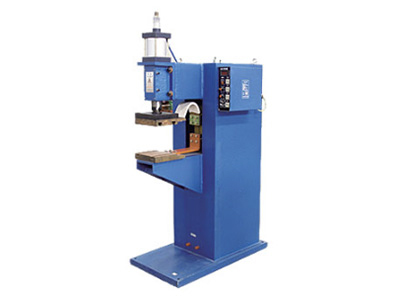
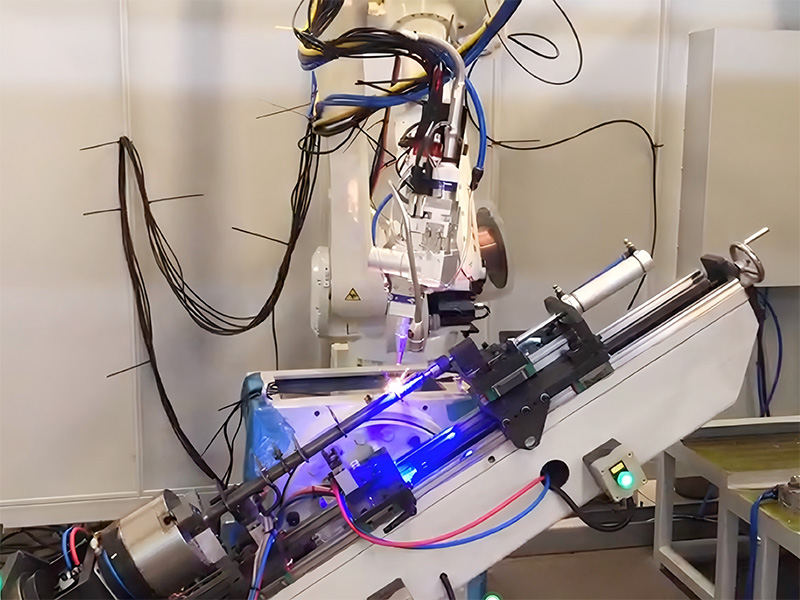
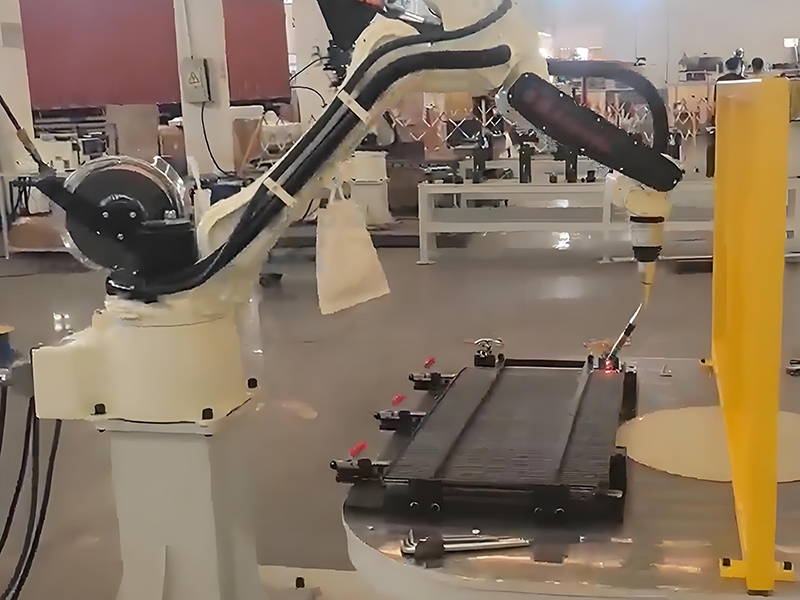
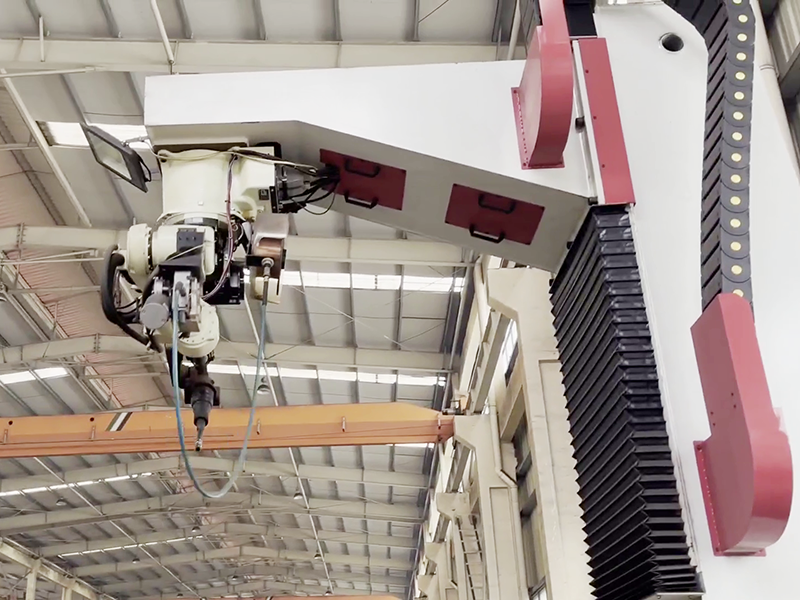
In modern industrial manufacturing, the precision and efficiency of welding technology directly affect product quality and production efficiency. As a device integrating advanced laser technology and precise control, the three-axis laser welding machine, with its unique advantages, is becoming a ""welding tool"" in high-end fields such as aerospace, automotive manufacturing, and electronics. This article will deeply analyze the working principle, core characteristics, application scenarios, and selection points of three-axis laser welding machines to help you fully understand this advanced welding equipment.
I. What is a Three-Axis Laser Welding Machine?
A
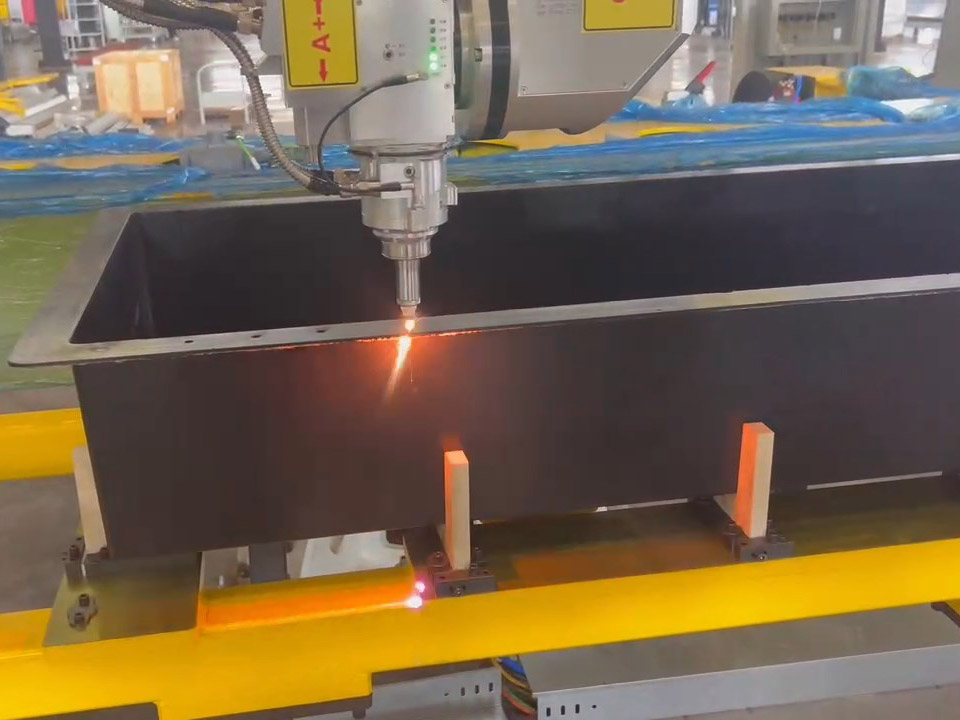
three-axis laser welding machine is a welding device that performs precise motion control through a laser beam in three mutually perpendicular axes (usually X-axis, Y-axis, and Z-axis). It uses a high-energy laser beam as the heat source, and through precise control of the beam focus position and three-axis motion trajectory, achieves high-quality welding of complex-shaped workpieces. Compared with traditional welding equipment, its core advantages lie in ""high precision"" and ""flexibility"", which can meet the strict requirements of precision parts welding for weld quality and heat influence control.
II. Working Principle of Three-Axis Laser Welding Machine: Combination of Focused Energy and Precise Control
The working process of a three-axis laser welding machine can be summarized into three core links: ""energy focusing - molten pool formation - trajectory control"":
1. Laser Beam Generation and Focusing
The built-in laser (such as fiber laser, CO₂ laser, etc.) generates a high-energy laser beam, which is focused into a very small spot (usually up to micrometer level) through an optical system composed of lenses, mirrors, etc., so that the energy density is highly concentrated.
2. Molten Pool Formation and Welding
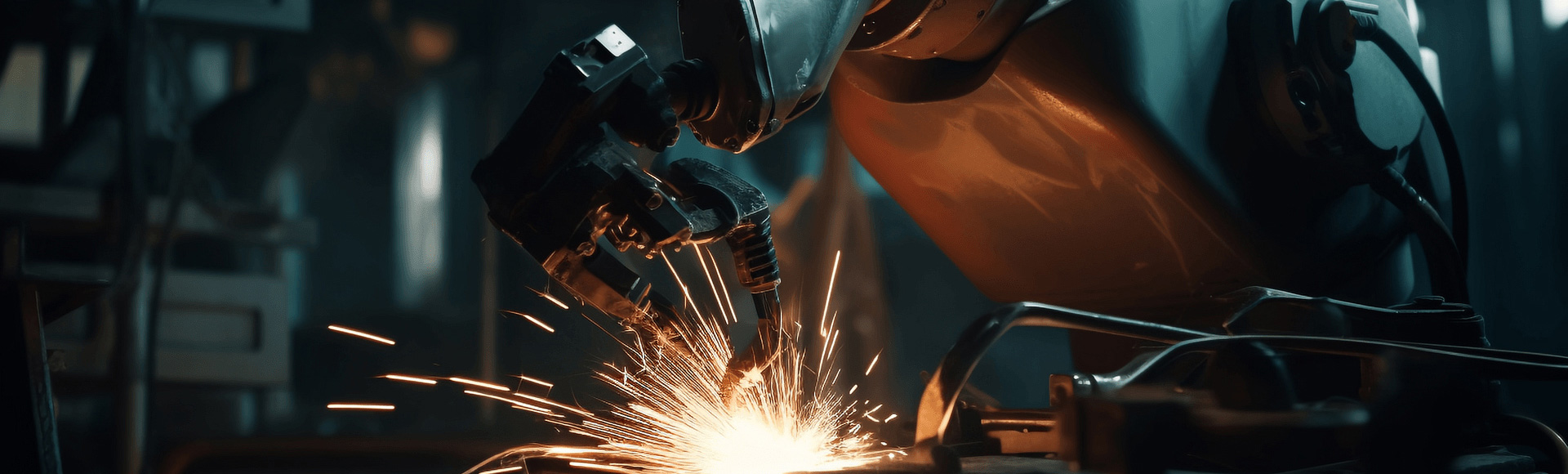
The focused laser beam irradiates the workpiece surface, instantly heating the local area to the melting temperature to form a molten pool. At the same time, according to welding requirements, welding wire can be added through a wire feeding mechanism, or the connection can be achieved directly by melting the workpiece's own material.
3. Three-Axis Motion Coordinated Control
The control system drives the X, Y, Z three-axis motion platform to drive the laser head or workpiece to move according to the preset trajectory, ensuring that the laser focus is always accurately aligned with the weld position. This multi-axis coordinated control capability enables the equipment to easily handle welding of complex welds such as planes, curved surfaces, and three-dimensional solids.
III. Core Characteristics of Three-Axis Laser Welding Machine: Why It Becomes the First Choice for High-End Manufacturing?
1. Micron-Level High Precision, More Stable Weld Quality
The motion control accuracy of the three-axis laser welding machine can reach ±0.01mm, and with the precise positioning of the focused spot, it can achieve welds as thin as a hair (width less than 0.1mm). This high-precision feature is especially suitable for welding micro-precision workpieces such as electronic component pins and medical device parts, effectively avoiding problems such as ""over-welding"" and ""missing welding"" in traditional welding.
2. High-Efficiency Welding, Improving Production Rhythm
The energy density of the laser beam is extremely high (up to 10⁶ - 10⁸ W/cm²), which can quickly melt the workpiece material, and the welding speed is 3-5 times that of traditional arc welding. For example, in the welding of automotive gearbox gears, the three-axis laser welding machine can achieve a welding speed of several meters per minute, greatly shortening the production cycle.
3. Low Heat-Affected Zone, Reducing Workpiece Deformation
Laser welding has strong energy concentration, and the heat only acts on the welding area. The heat-affected zone (HAZ) area is small (usually less than 0.1mm), which can minimize workpiece deformation, oxidation, or performance degradation caused by heating. This advantage makes it indispensable in fields such as aerospace engine blades and precision molds that have strict requirements on material performance.
4. Non-Contact Welding, Protecting Workpiece Integrity
The laser beam is transmitted through the optical system and does not need to be in direct contact with the workpiece, avoiding mechanical pressure or scratches on the workpiece by electrodes in traditional welding. For easily deformable thin-walled parts and brittle materials (such as ceramics and glass), this non-contact feature can significantly improve the welding qualification rate.
5. Wide Material Adaptability, Covering Multi-Industry Needs
Whether it is metal (stainless steel, aluminum alloy, titanium alloy, etc.), plastic (PP, PC, ABS, etc.) or ceramics, the three-axis laser welding machine can achieve stable welding by adjusting parameters such as laser wavelength and power. For example, in the electronics industry, it can be used for welding lithium battery tabs; in the jewelry industry, it can realize traceless welding of precious metals.
IV. Typical Application Fields of Three-Axis Laser Welding Machine
1. Aerospace Field: Reliable Connection of Precision Components
Aerospace equipment has extremely high requirements for welding strength and weight control. Three-axis laser welding machines can be used for welding key components such as engine combustion chambers, turbine blades, and airframe frames. Their high precision and low heat influence characteristics can ensure the structural stability of components under extreme working conditions.
2. Automotive Manufacturing Field: Promoter of Lightweight and Efficient Production
In automotive manufacturing, three-axis laser welding machines are widely used in welding components such as body frames, gearboxes, and motor cores. For example, the tab welding of new energy vehicle battery PACK needs to complete the precise connection of multiple layers of pole pieces in a narrow space. The high efficiency and consistency of laser welding can meet the needs of mass production.
3. Electronics and Semiconductor Field: Core Tool for Miniaturized Welding
As electronic devices develop towards ""lightweight, thin, short, and small"", micro-part welding has become a key process. Three-axis laser welding machines can realize welding of micro-components such as sensor pins, chip packaging, and connectors. The small weld width and low heat influence effectively avoid damage to sensitive electronic components.
4. Medical Device Field: Double Guarantee of Sterility and High Precision
Medical devices (such as surgical knives, implantable devices) have strict requirements for welding precision and cleanliness. Laser welding does not require additional solder, and the weld is smooth and free of impurities, which can meet medical-grade sterility standards and ensure the biocompatibility of implants in the human body.
V. How to Choose a Suitable Three-Axis Laser Welding Machine? Key Considerations
1. Clarify Application Requirements: Precision First or Efficiency First?
If the welding object is micro-precision parts (such as electronic components), priority should be given to equipment with high motion accuracy (such as ±0.005mm) and small spot diameter; if it is used for mass welding of large workpieces (such as automobile frames), attention should be paid to welding speed and stability, and high-power models (such as above 500W) can be selected.
2. Match Material Characteristics: Different Materials Corresponding to Different Parameters
Metal materials (such as aluminum alloy, titanium alloy) usually require higher power lasers (300W - 1000W); plastic welding needs to select lasers with matching wavelengths (such as CO₂ lasers for non-transparent plastics, fiber lasers for transparent plastics); brittle materials (such as ceramics) need to control the laser energy density to avoid cracking.
3. Consider Budget Range: Balance Performance and Cost
The price of three-axis laser welding machines is affected by factors such as power, precision, and automation degree. It is necessary to meet the core needs first within the budget. For example, start-ups can choose basic equipment to meet small and medium batch production, while large manufacturing enterprises can consider automated welding systems with robots to improve overall production efficiency.
Summary
With the advantages of high precision, high efficiency, and low heat influence, three-axis laser welding machines are reshaping the technical standards of modern industrial welding. Whether it is the extreme environment requirements of aerospace or the miniaturization challenges of the electronics industry, it can provide reliable welding solutions. When choosing, it is necessary to combine application scenarios, material characteristics, and budget to give full play to its technical value and empower production. With the continuous progress of laser technology, the application boundary of three-axis laser welding machines will continue to expand, becoming one of the key equipment to promote the upgrading of the manufacturing industry."