Automatic 3D Laser Welding Robot For Industrial Production
Release time:2026-08-17
Visits:302
Look at the side of a modern car. It's so smooth it looks carved from a single block of metal. But it wasn't. So where are the bolts, screws, and lumpy weld marks? The answer involves a silent ballet of light and precision happening in factories right now—a glimpse into robotic welding solutions on today's production lines.
Joining complex, curved metal shapes for both strength and beauty is a primary challenge in modern manufacturing. For decades, the trade-off was between strength and aesthetics; you could have a visible, chunky weld that was strong, or a cleaner look that was weaker. Modern manufacturing demands both.
Solving this puzzle is the job of the automatic
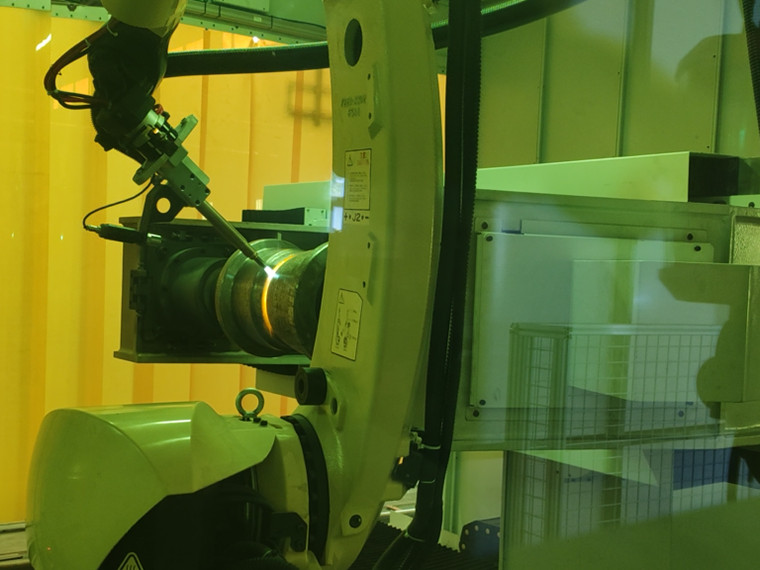
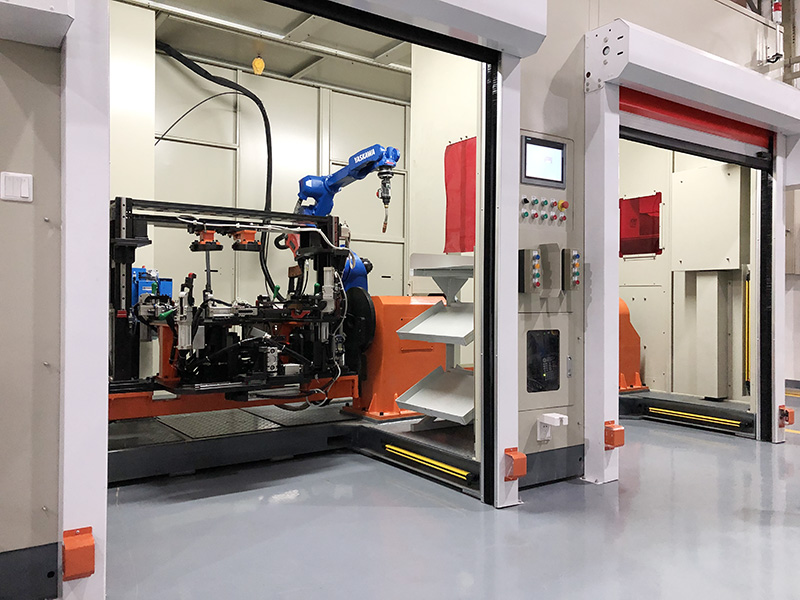
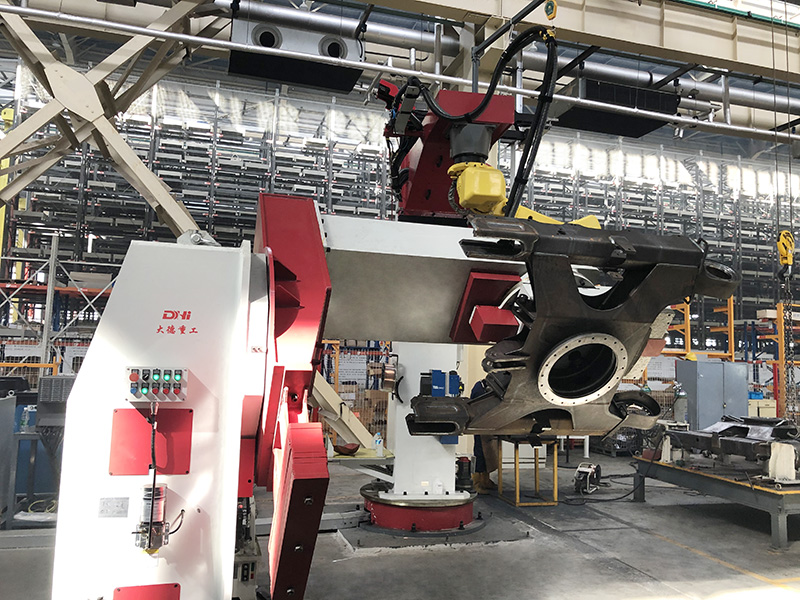
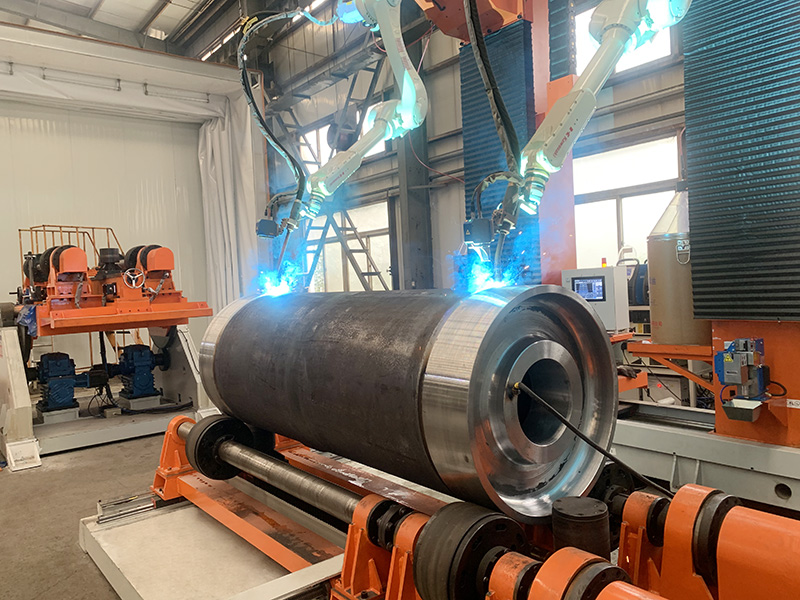
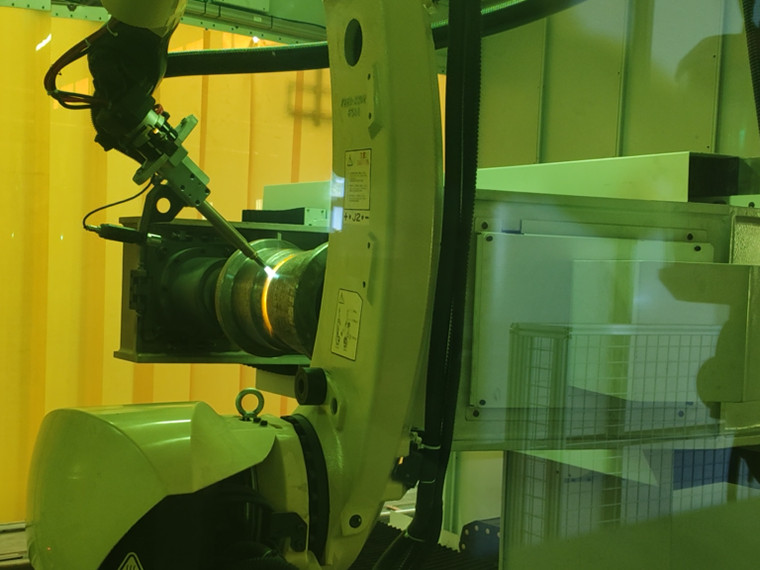
3D laser welding robot. This advanced industrial robot uses a focused beam of light to fuse metal with superhuman accuracy, following any curve in three-dimensional space. This technology enables designers to create products once considered impossible, revealing the invisible precision behind our most sophisticated goods and forming a cornerstone of automated welding systems.
What is a Welding Laser? From Sci-Fi Beams to Fusing Steel
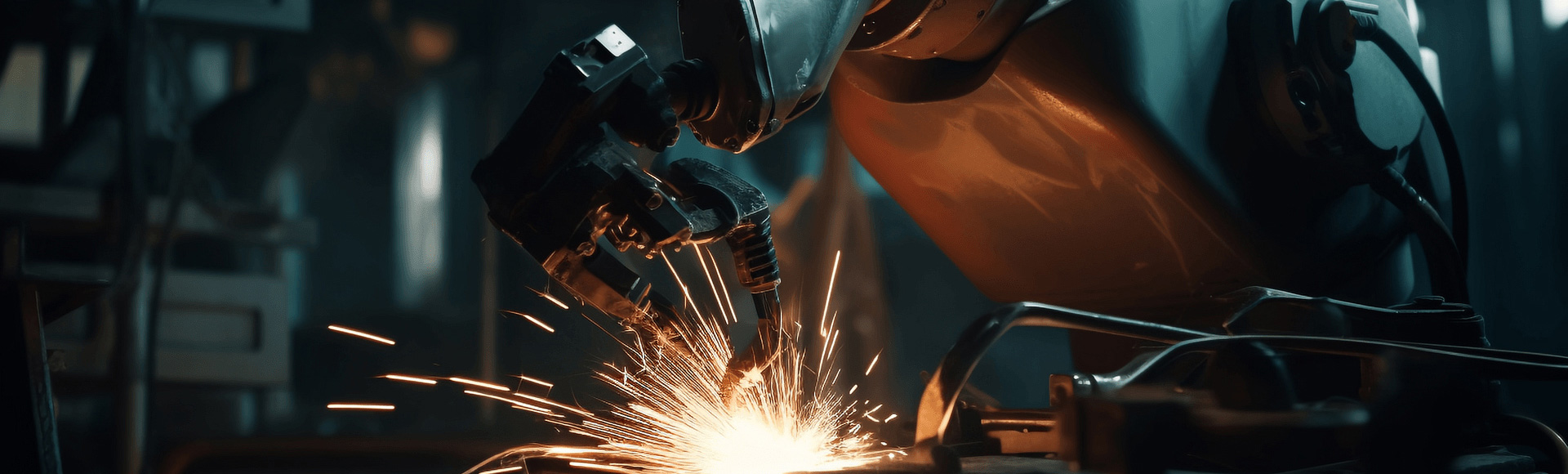
You've likely seen how a magnifying glass can focus sunlight into a tiny point that can burn paper. A welding laser operates on the same principle, but on an industrial scale. A modern fiber laser welding system for industrial laser welding concentrates a light beam into a point so intense it can instantly melt steel. This isn't a sci-fi weapon but a precise heat source designed to fuse metal, creating a bond often stronger than the original material.
Unlike traditional methods where a tool physically touches the metal, laser welding is a non-contact process. The laser head can be several inches away, beaming its energy exactly where needed. This allows the robot to move freely without bumping the workpiece, painting a perfect seam of molten metal along a pre-programmed path with pinpoint accuracy.
This powerful beam is only half of the equation; it needs a perfectly steady hand to guide it.
Why a Robot Arm is the Perfect Partner for a Laser
That powerful laser beam needs a guide, and a robotic arm is the ultimate steady hand. Think of it like a human arm but with extra joints, allowing it to twist and turn in ways we can't. This multi-axis movement lets the robot position the laser at any angle, ensuring the beam is always exactly where it needs to be. While a person might struggle to hold a tool perfectly still, a robot can glide along a path with unwavering steadiness.
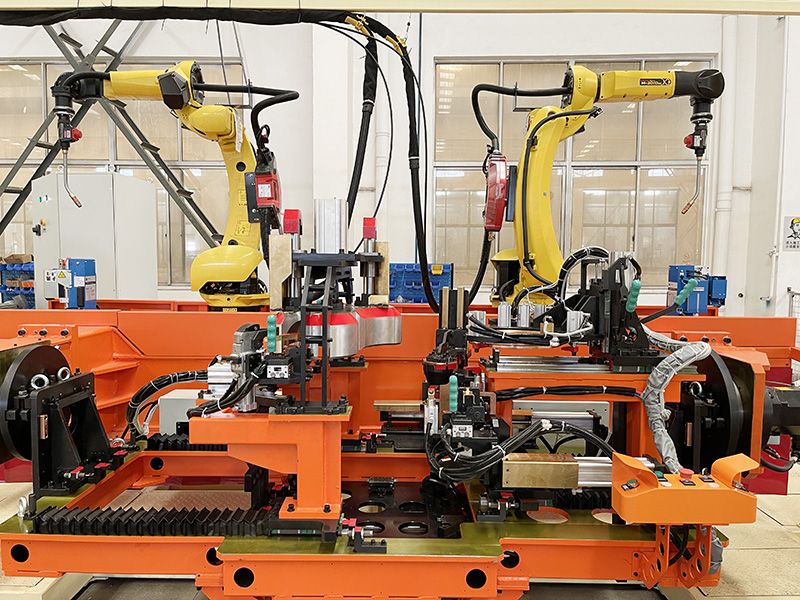
Beyond steadiness, the robot's true superpower is its flawless repeatability. A skilled human can make a beautiful weld once, but making the ten-thousandth weld identical to the first is nearly impossible. A robot, however, can execute the same complex path with the same speed and orientation, over and over, without fatigue. This consistency is one of the key advantages of automated welding systems, including automated 3D welding, guaranteeing every product meets the same high-quality standard.
When you combine the laser's focused energy with the robot's tireless precision, you unlock a new level of manufacturing. This multi-axis laser welding process creates stronger, cleaner, and more consistent bonds at a speed manual methods cannot match.
What Makes the '3D' Part a Manufacturing Game-Changer?
Welding in a straight line is one thing, but few modern products are built from flat pieces. Think about tracing a perfect line around a soccer ball versus drawing on a sheet of paper---the curves make everything more complicated. The smooth, flowing lines of a car body or an airplane wing present a huge challenge for traditional welding, which is often limited to simpler, two-dimensional paths.
This is where the "3D" in 3D laser welding becomes revolutionary. Building on its multi-axis movement, the robotic arm can twist, pivot, and rotate the laser head to follow any contour in three-dimensional space. The robot treats the complex curve of a car door panel with the same ease as a flat surface, keeping the laser at the optimal angle and distance at every point.
Because the robot can master these intricate shapes, engineers are no longer limited to designs that are simply easy to build. This freedom unlocks a new era of product innovation. It allows for car frames that are both lighter and stronger, improving fuel efficiency and safety, and enables aircraft parts with seamless, aerodynamic curves previously impossible to manufacture at scale.