3D Laser Cutting: Technology, Machines And Applications
Release time:2026-10-16
Visits:2
2D laser cutting machines trim flat sheets. 3D laser cutting machines trim the parts after they are formed: stamped panels, extruded profiles, tubes and castings. It is the process behind trimmed automotive body parts, chassis rails and hydroformed components, and it removes the need for hard trimming dies. This article explains how 3D laser cutting works, what the machines look like, and where it pays.
What 3D Laser Cutting Means
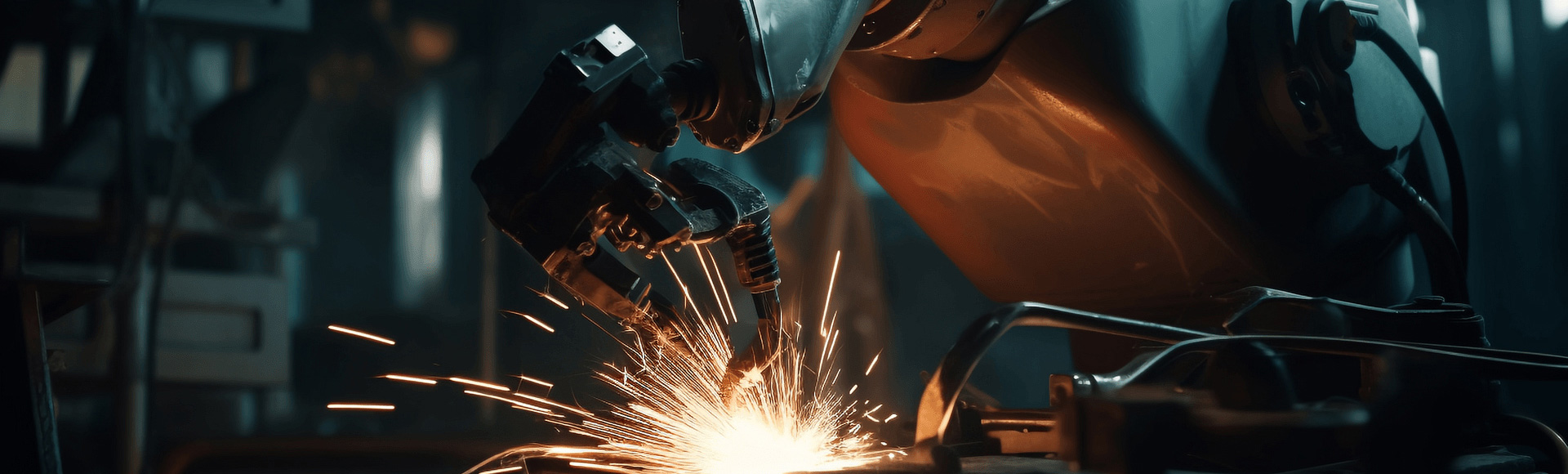
In 3D laser cutting, the laser head moves along the surface of a three-dimensional part and follows a programmed path, keeping the beam at the correct angle to the material. The part sits on a fixture that locates it precisely, because the program assumes the part is exactly where the fixture put it. The cut can be a trim line, a hole, a notch, or a cutout in a surface that a flat bed could never reach.
The term covers two machine families: robot-based systems, where a six-axis robot carries the cutting head, and multi-axis gantry machines, typically five axes, where the head combines linear and rotary motion. Both are programmed offline from CAD data.
Why a Flat Cutter Is Not Enough
Once a sheet is stamped, drawn or hydroformed, the trim line is no longer flat. The edge of a stamped fender, the cutouts in a hot-stamped B-pillar, the ends of a bent tube: none of them sit in a plane. Cutting them with a flat-bed machine would mean multiple setups and awkward angles. A 3D system reaches the part as it is, in one setup, and cuts it where the design says the edge belongs.
Trimming dies do the same job for very high volumes, but a die costs a lot and takes months to build. 3D laser cutting replaces the die with a program. For production volumes below die economics, or for frequent design changes, that flexibility decides the choice.
Robot Workstations and Five-Axis Machines
A
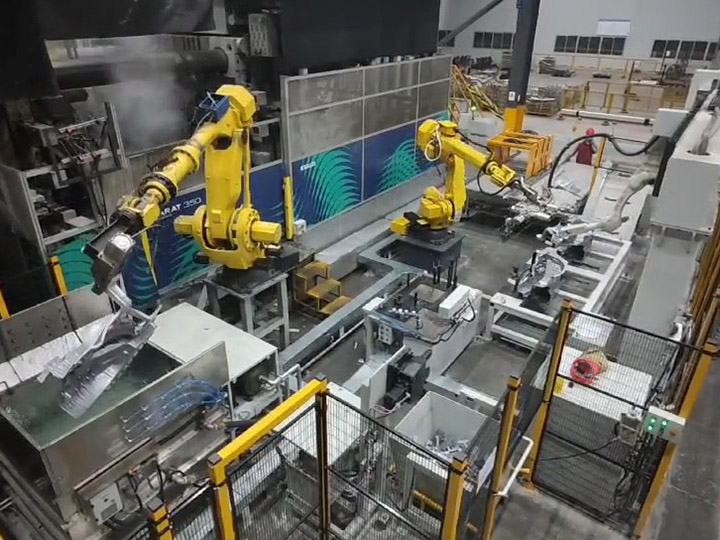
3D laser cutting robot workstation mounts the cutting head on a six-axis robot, often with a rotary positioner holding the part. It suits automotive body parts, chassis components, tubes and profiles. The robot's reach covers large parts, and the positioner brings the back side into range without a second setup.
A five-axis laser cutting machine carries the head on a gantry with three linear axes plus two rotary axes in the head. It is stiffer than a robot and holds tighter tolerances, at higher cost. It suits precision parts and long production runs where accuracy matters more than flexibility.
Both need three things to work well: a fixture that locates the part every time, calibration that ties the machine coordinate system to the fixture, and offline programming software that generates the tool path from the CAD model.
How Programming Works
The programmer imports the part model, defines the cut features, and sets the head angles and cut speeds. Simulation checks collisions between the head and the part or fixture before any metal is cut. On the shop floor, the machine calibrates the part position with touch sensing or a vision system, then runs the program. For production runs, the fixture guarantees position and the program runs unchanged until the design changes.
Applications
Automotive: trimming and cutting hot-stamped and cold-stamped body parts, door panels, rails, and structural components. Electric vehicle battery trays and enclosures are a fast-growing application.
Chassis and frames: cutting rails, cross members and brackets after forming, where the laser replaces drilling and trimming operations.
Tubes and profiles: cutting ends, holes and slots in bent tube and extruded aluminum, for frames, furniture and vehicle components.
New energy vehicles: trimming aluminum castings and profiles where the material is hard to machine and die trimming is uneconomic.
Advantages of 3D Laser Cutting
No hard tooling. A design change is a program change, not a new die.
Accuracy. The cut edge follows the CAD model within the machine's tolerance, consistently across the run.
Edge quality. The laser edge is clean, with a small heat-affected zone, and usually needs no secondary finishing.
Speed. One setup cuts all features on the part, trimming cycle times versus separate operations.
How to Choose
Define the part envelope, the accuracy required, and the production volume. Robots suit large parts and flexible product mixes; five-axis gantries suit tight tolerances and steady runs. The fixture design is part of the purchase: a 3D cutting cell is only as repeatable as its part location. Verify the supplier's programming and calibration workflow, not just the machine specification.
Bottom Line
3D laser cutting turns formed parts into finished parts in one setup, without dies and without secondary trimming. It is the standard answer for automotive body and chassis trimming and a growing one for EV structures. Dade Heavy Industry builds 3D laser cutting robot workstations and five-axis laser cutting machines, and supplies laser cutting solutions for chassis, new energy vehicle parts and formed components.