Ship Welding: Processes, Standards And Automation In Shipyards
Release time:2026-10-05
Visits:2
Ship welding is industrial welding at its largest scale. A single vessel contains tens of thousands of meters of weld, on plates from 6 mm to over 50 mm thick, in positions that range from flat panel lines to overhead work inside double hulls. The welds have to satisfy classification societies that audit both the work and the records. This article explains the processes shipyards use, the rules they follow, and where automation is changing the work.
The Scale of the Job
A ship is built from steel blocks. Plates are cut and formed, assembled into panels, panels into blocks, blocks into the hull. Welding happens at every stage, and the volume is enormous: a large bulk carrier or containership carries many kilometers of weld. That volume is why shipyards were among the first heavy industries to mechanize and robotize welding.
Main Welding Processes in Shipbuilding
Submerged arc welding (SAW). The backbone of the panel lines. It welds long butt joints in flat position at high deposition with deep penetration. Twin-wire and tandem SAW raise the rate further.
Flux-cored arc welding (FCAW). The dominant process for assembly and erection welds. High deposition, tolerant of shop conditions, and usable in all positions with the right wire.
MIG/MAG welding (GMAW). Common for thinner sections and vertical welds on panel lines, often with robotic or mechanized systems.
Stick welding (SMAW). Still used for repair, short welds and awkward locations, though its share keeps shrinking.
Electroslag and electrogas welding. Used for very thick vertical butt welds, where they weld a joint in a single pass.
Class Rules and Qualification
Every ship is built to the rules of a classification society: ABS, DNV, LR, BV, CCS, NK and others. The rules cover welding procedures, filler materials, welder qualifications, joint design, and the extent of NDT. A welder on a shipyard is qualified per position, process and material, and the qualifications are recorded and audited. Welding procedure specifications have to be approved before production welding starts.
The paperwork is as much a part of ship welding as the arc. Each weld is traceable to a procedure, a welder, and an inspection result. Shipyards build their quality systems around that traceability.
Distortion Control
Large welded panels want to shrink and buckle. The classic problems are distortion in thin shell plating and shrinkage across stiffened panels. Shipyards control them with fit-up and tacking procedures, weld sequence planning that balances shrinkage, edge preparation that keeps weld volume down, and sometimes mechanical straightening after welding. On thin panels, heat input is budgeted carefully, which is one reason SAW parameters on panel lines are tightly controlled.
Automation in Shipyards
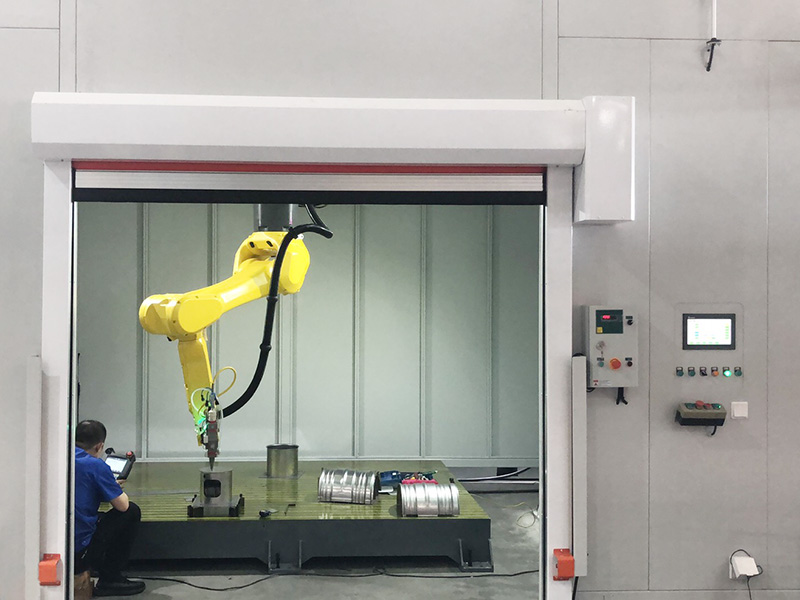
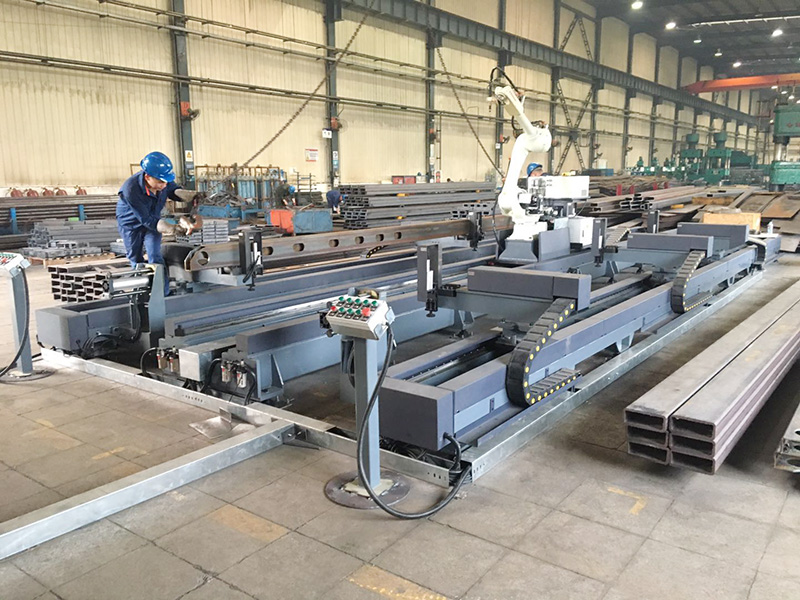
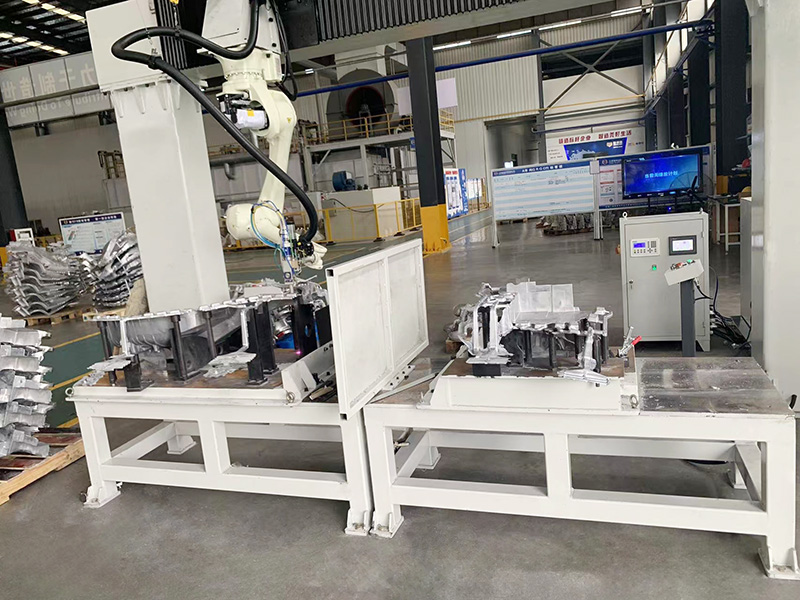
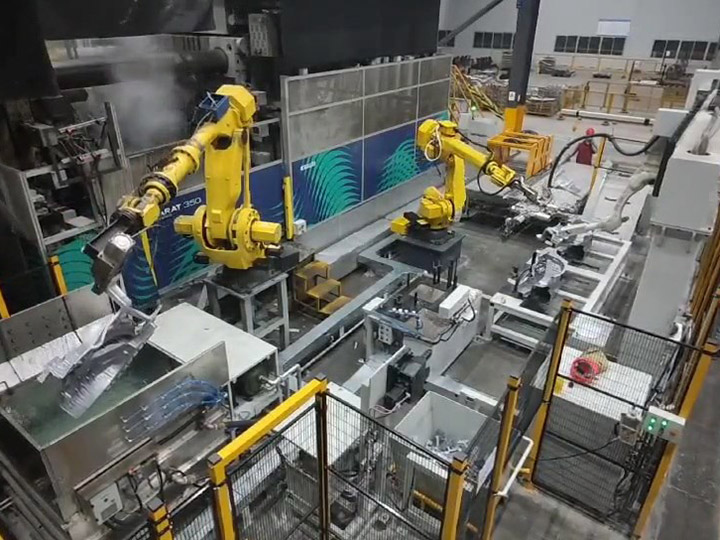
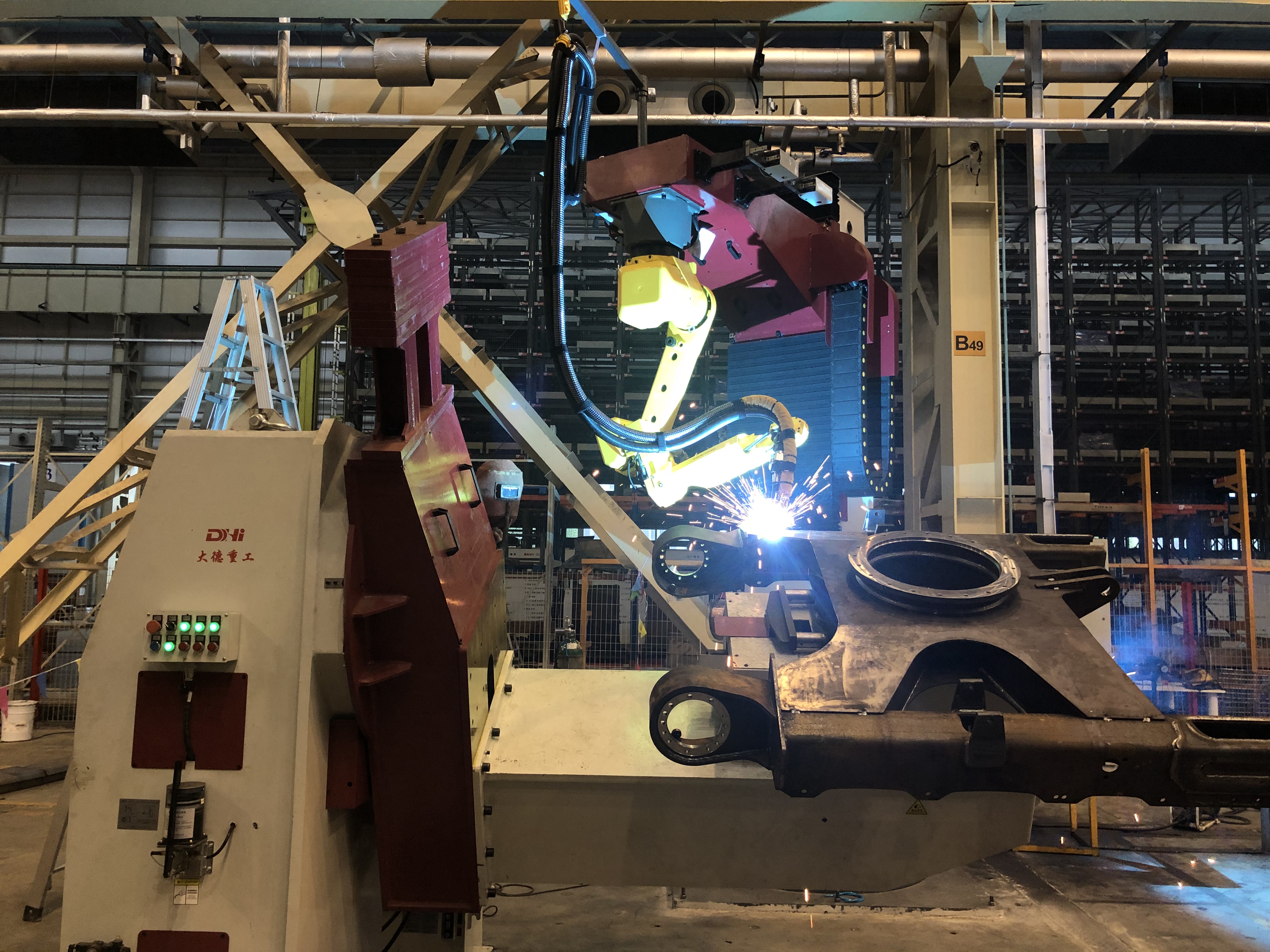
Panel lines run fully automated SAW with gantry-mounted heads. Stiffener welding uses gantry robots that travel the length of the panel, welding fillets on both sides. Double-hull blocks are welded by robots that enter the confined space, a task too tight and hazardous for continuous manual work. Robotic stations handle brackets, small assemblies and recurring parts.
The economics are clear: a robot welds the same fillet at the same speed every time, does not need rest breaks, and produces the same quality at 2 a.m. as at 8 a.m. That consistency is exactly what class societies and owners want to see.
Filler Metals and Consumables
Shipbuilding steel is welded with matching or slightly under-matching fillers, usually low-hydrogen types for thicker sections. Flux-cored wires dominate assembly work. Submerged arc uses flux that is recovered, screened and reused. Consumable control matters because moisture in electrodes or flux is a direct cause of hydrogen cracking in thick plate.
Quality and NDT
Visual inspection covers every weld. NDT follows the class rules: radiographic or ultrasonic testing on a defined percentage of butt welds, magnetic particle testing on fillets and repair welds, and dimensional checks on the assembled structure. Defects found at final inspection cost far more than defects found at the panel stage, so shipyards push inspection forward in the process.
Bottom Line
Ship welding runs on process control: the right procedure, qualified people, balanced heat input, and records that prove all three. Automation is taking over the repetitive volume, which is exactly where it pays. Dade Heavy Industry builds welding automation for shipbuilding applications, including robot welding stations and automated welding lines for panels and structural assemblies.