







© 2025 JiangSu Dade Heavy Industry Co.Ltd. All Rights Reserved.Web Design by Wangke

Release time:2025-08-01 Visits:764
Laser welding is a cornerstone in the aerospace industry. It offers precision and strength for critical components.
However, safety is a top priority in these operations. The risks include laser radiation, fumes, and high temperatures.
Proper safety measures are essential to protect workers and ensure effective operations. This includes using the right laser welding equipment and techniques.
Operators must be well-trained and certified. Personal protective equipment (PPE) is also crucial to prevent injuries.
Understanding safety considerations in laser welding is vital. It ensures the reliability and quality of aerospace welding solutions.
Safety in aerospace laser welding is non-negotiable. Every weld must withstand extreme conditions without failure. This demands precision and quality assurance.
Safety protocols protect both personnel and equipment. A lapse can lead to severe consequences, including equipment damage and personal injury.
The significance of safety extends beyond immediate impacts. It upholds aerospace standards, ensuring welded components perform their duties reliably in demanding environments. This dedication to safety supports overall industry integrity and trust.
Common Hazards in Laser Welding Operations
Laser welding operations involve several potential hazards. Awareness of these dangers is critical for ensuring safety.
Exposure to laser radiation can lead to serious injuries. Accidental exposure can affect skin and eyes. It's essential to control this exposure.
Fumes and gases emitted during welding can compromise air quality. Therefore, proper ventilation is crucial.
Additionally, thermal burns are a risk due to high temperatures involved in the process. Understanding these hazards helps in implementing effective safety measures. A proactive approach to identifying and mitigating risks is vital in all welding operations.
Personal Protective Equipment (PPE) plays a crucial role in safeguarding technicians. Appropriate gear significantly reduces the risk of injuries during laser welding activities.
Each piece of equipment addresses specific hazards inherent in laser welding processes. The correct use and maintenance of PPE not only protect individuals but also promote a safer working environment. Prioritizing PPE is essential for effective risk management in aerospace laser welding operations.
Engineering controls are critical for creating a safe work environment during laser welding operations. These controls help minimize exposure to hazardous conditions, ensuring the safety of all personnel. Proper engineering controls are an essential part of any comprehensive safety strategy.
Design of workspaces to promote safe movement and minimize hazards
By employing these controls, companies can significantly reduce risks in aerospace welding operations. A well-designed work environment supports health and enhances the efficacy of protective measures.
Proper training and certification are crucial for laser welding technicians. Skilled technicians operate laser welding equipment safely, preventing accidents. Comprehensive training programs cover the essentials of laser welding operations and safety protocols.
Certification demonstrates a technician's competence in these areas. Regular updates and continued education ensure they are aware of the latest safety guidelines and technological advances. This ongoing learning is vital to maintaining a safe welding environment.
Regular maintenance and thorough inspections are essential for safe laser welding operations. These practices help prevent equipment malfunctions and ensure consistent performance. Following a strict maintenance schedule minimizes the risk of accidents in the workplace.
Equipment inspections should identify potential hazards before they become serious problems. A detailed record of maintenance activities ensures compliance with safety standards. Prioritizing equipment care enhances both safety and productivity in aerospace welding solutions.
Adhering to regulatory standards is crucial for aerospace laser welding. These regulations ensure that welding operations meet safety and quality requirements. Compliance is mandatory to maintain industry credibility and safeguard workers.
Adhering to specific industry standards, such as those from the FAA
Continual education on regulatory updates is necessary. This guarantees that operations stay within legal and safety boundaries. By aligning with these standards, companies improve both reliability and safety in aerospace welding solutions.
Preparedness is key in laser welding operations. Having clear emergency procedures can significantly reduce risks. Workers must know their roles during an emergency to respond effectively.
Risk assessments are essential to identify potential hazards. By proactively addressing these, companies can minimize workplace incidents. These steps ensure a safer environment and better preparedness in unexpected situations.
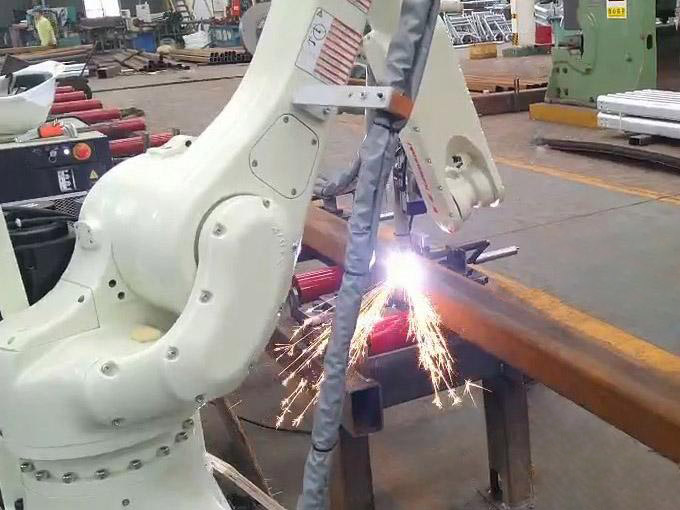
Advanced technologies significantly improve safety in laser welding operations. Automation reduces human intervention, minimizing the risk of errors.
These innovations not only enhance safety but also boost operational efficiency and reliability.
Creating a safety culture in aerospace welding is crucial. It requires commitment from management and active participation from employees.
This approach leads to lower incidents and enhances overall operational safety.
Safety in aerospace laser welding is non-negotiable. Every weld must withstand extreme conditions without failure. This demands precision and quality assurance.
The significance of safety extends beyond immediate impacts. It upholds aerospace standards, ensuring welded components perform their duties reliably in demanding environments. This dedication to safety supports overall industry integrity and trust.
Additionally, thermal burns are a risk due to high temperatures involved in the process. Understanding these hazards helps in implementing effective safety measures. A proactive approach to identifying and mitigating risks is vital in all welding operations.
Personal Protective Equipment (PPE) plays a crucial role in safeguarding technicians. Appropriate gear significantly reduces the risk of injuries during laser welding activities.
Each piece of equipment addresses specific hazards inherent in laser welding processes. The correct use and maintenance of PPE not only protect individuals but also promote a safer working environment. Prioritizing PPE is essential for effective risk management in aerospace laser welding operations.
Explore our full range of robot fibre laser welding cells.




