Amid the global shift toward Industry 4.0 and the relentless pursuit of manufacturing optimization, automated welding has emerged as a cornerstone technology, redefining productivity, quality, and safety standards across industrial sectors. As organizations strive to reconcile the dual imperatives of scaling production capacity and upholding stringent quality benchmarks, automated welding systems have transcended from incremental upgrades to mission-critical infrastructure in modern manufacturing ecosystems. This article delves into the fundamental principles of automated welding, elucidates its multifaceted benefits, examines core operational mechanisms, explores industry-specific applications, addresses implementation challenges, and forecasts future technological trajectories—providing a comprehensive framework for understanding its transformative impact on industrial practice.
Core Definition and Classification of Automated Welding
Automated welding is formally defined as a precision manufacturing process that employs mechanized equipment, advanced control systems, and programmable logic to execute welding operations with minimal direct human intervention. The technology encompasses three primary configurations, each tailored to distinct production requirements:
1. Robotic Welding Systems
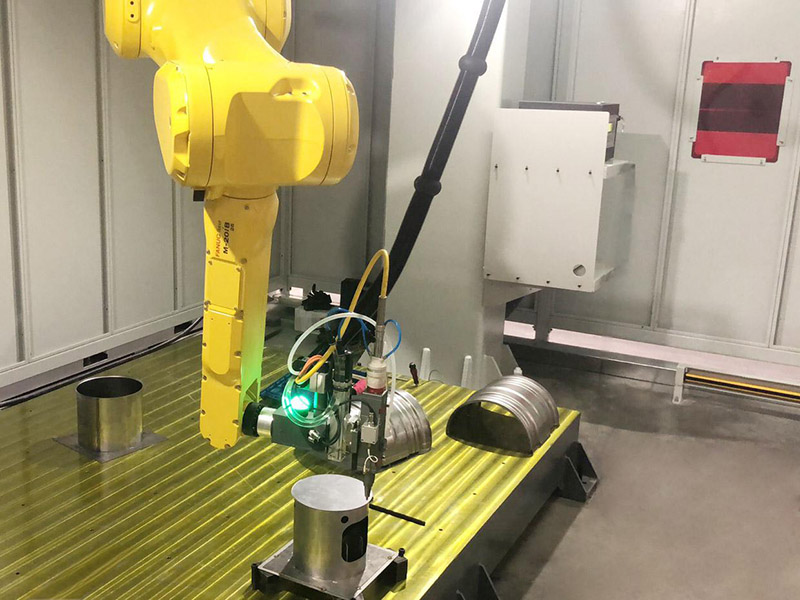
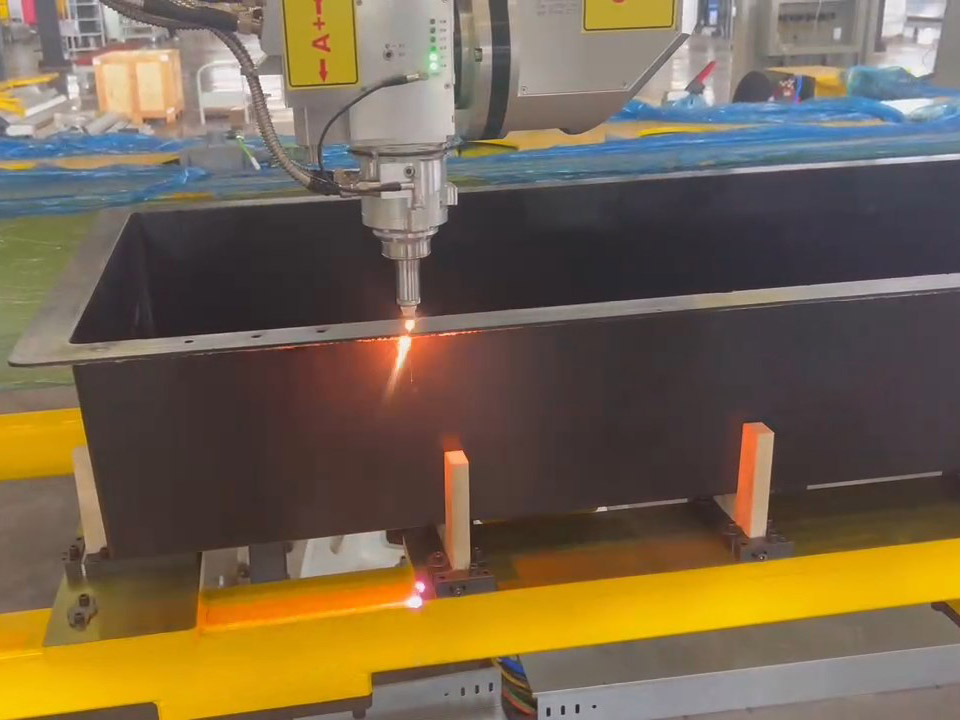
Robotic welding leverages programmable, multi-axis robotic arms (typically 6-axis articulated robots) integrated with welding torches to perform repetitive or complex weld sequences. These systems are characterized by their high payload capacity, precise path planning (±0.1 mm positional accuracy), and continuous operational capability, making them ideal for high-volume production environments. Equipped with specialized end-effectors and compatibility with welding processes such as Gas Metal Arc Welding (GMAW), Gas Tungsten Arc Welding (GTAW), and Flux-Cored Arc Welding (FCAW), robotic welding systems ensure consistent heat input, weld bead geometry, and metallurgical integrity across thousands of cycles.
2. Intelligent Welding Workcells
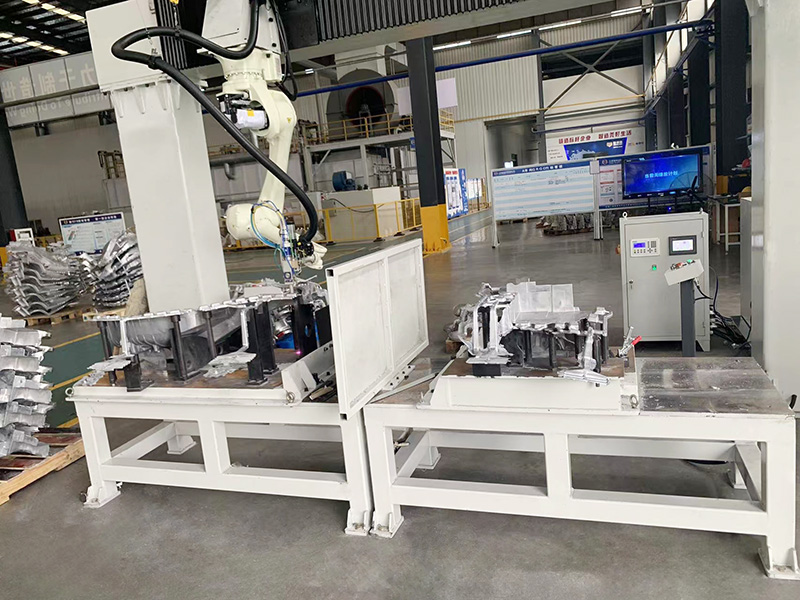
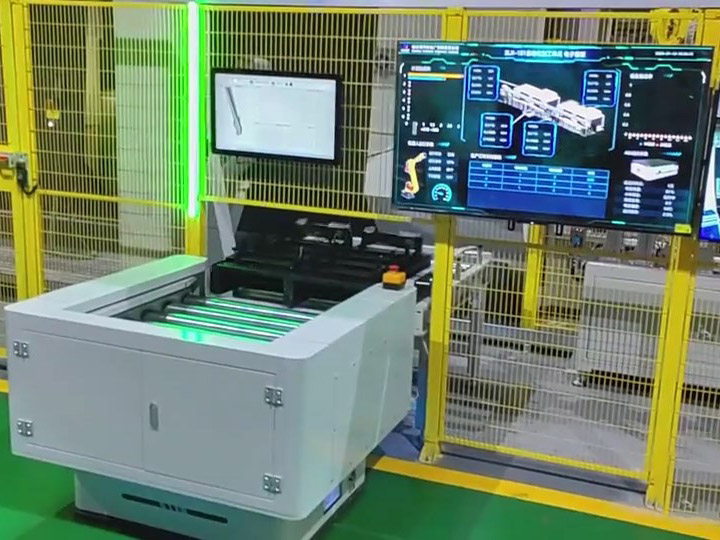
Intelligent welding workcells represent a synergistic integration of robotic welding systems with auxiliary automated technologies, including material handling conveyors, part positioning fixtures, vision inspection modules, and real-time process monitoring tools. These closed-loop systems incorporate adaptive control algorithms that enable dynamic adjustments to welding parameters (e.g., voltage, current, travel speed) in response to variations in part geometry, material properties, or environmental conditions. By automating the entire workflow—from part loading and fixturing to welding execution and post-weld inspection—intelligent workcells minimize process variability and maximize throughput in mid-to-high volume production scenarios.
3. Robotic Automated Welding Systems (RAWS)
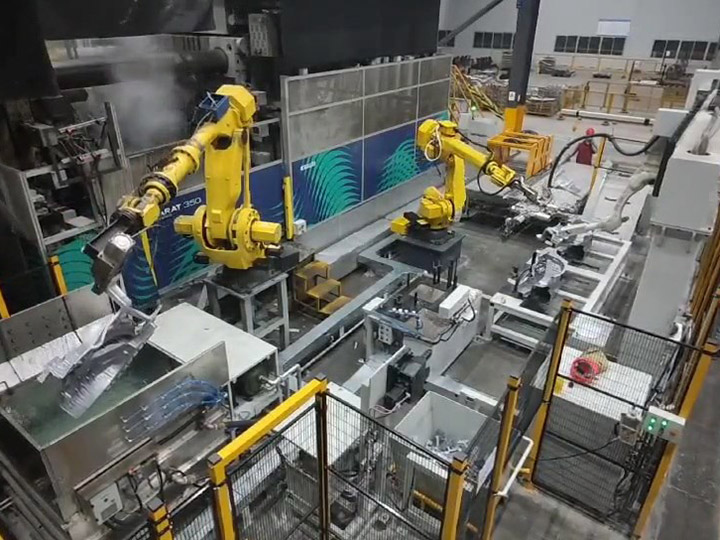
RAWS combines advanced robotics with industrial automation software to handle complex, multi-step welding tasks that require high flexibility and customization. These modular systems are designed to accommodate diverse part geometries and material types (e.g., carbon steel, stainless steel, aluminum alloys) through rapid reprogramming and tooling changeovers. RAWS often integrate with computer-aided manufacturing (CAM) platforms and production scheduling software, enabling seamless synchronization with broader manufacturing operations and support for just-in-time (JIT) production models.
Key Advantages of Automated Welding
The widespread adoption of automated welding stems from its ability to address critical pain points in traditional manual welding, delivering quantifiable improvements across operational, quality, economic, and safety dimensions:
1. Enhanced Productivity and Throughput
Automated welding systems operate continuously (24/7) with minimal downtime, eliminating productivity losses associated with human fatigue, breaks, or skill variability. Compared to manual welding, robotic systems achieve travel speeds up to 3x faster (typically 30-100 mm/s) and reduce cycle times by 30-50% for high-volume applications. Additionally, the integration of parallel processing capabilities (e.g., dual-robot workcells) enables simultaneous welding of multiple joints, further amplifying production capacity.
2. Superior Weld Quality and Consistency
Precision-engineered motion control and closed-loop feedback systems ensure that automated welding delivers uniform weld bead profiles, consistent penetration depths, and minimal defect rates (typically <1% vs. 5-10% for manual welding). By eliminating human error factors such as hand tremors, inconsistent travel speed, or improper torch angle, these systems consistently meet industry standards including ISO 15614 (qualification of welding procedures) and AWS D1.1 (structural welding code for steel). The repeatability of automated processes also facilitates compliance with traceability requirements, as each weld can be linked to specific process parameters and inspection data.
3. Long-Term Cost Optimization
While the initial capital expenditure for automated welding systems (ranging from $50,000 to $500,000+ depending on complexity) is substantial, organizations typically achieve return on investment (ROI) within 12-36 months. Cost savings are driven by multiple factors: reduced material waste (10-20% reduction in filler metal consumption), minimized rework costs associated with defects, and labor optimization (one operator can supervise 2-4 robotic systems, reducing direct labor costs by 40-60%). Additionally, automated systems extend the lifespan of welding consumables (e.g., torches, nozzles) through consistent operation, lowering maintenance expenses.
4. Improved Occupational Safety
Welding environments pose inherent risks to human workers, including exposure to hazardous fumes (e.g., manganese, hexavalent chromium), arc flash radiation, molten metal splatter, and ergonomic strain from repetitive motion. Automated welding mitigates these risks by isolating human operators from direct contact with dangerous conditions—often through enclosed workcells with fume extraction systems and safety interlocks. This not only reduces workplace accidents and workers' compensation claims but also enhances employee satisfaction and retention.
5. Precision and Process Control
Modern automated welding systems integrate advanced sensing technologies (e.g., laser seam trackers, vision sensors, force-torque sensors) that provide real-time data on weld position, joint gap, and material thickness. This enables dynamic adjustment of welding parameters to compensate for part variations, ensuring optimal weld quality even with imperfect workpieces. Additionally, process data logging facilitates root-cause analysis of defects and supports continuous process improvement initiatives.
Operational Mechanisms of Automated Welding Systems
The functionality of automated welding systems is underpinned by three core operational phases, each leveraging advanced technologies to ensure precision and efficiency:
1. Programming and Parameterization
Prior to operation, automated welding systems require detailed programming to define weld paths, process parameters, and workflow logic. Two primary programming methodologies are employed:
- Teach Pendant Programming: Operators manually guide the robotic arm through the desired weld sequence using a handheld controller, recording waypoints and parameters (e.g., voltage, current, travel speed, wire feed rate). This method is suitable for simple, low-volume applications.
- Offline Programming (OLP): Using specialized software (e.g., Robot Studio, Mastercam), programmers create 3D models of the workpiece and simulate the weld sequence in a virtual environment. OLP eliminates production downtime during programming, enables collision detection, and supports complex path planning for high-volume or intricate components.
Parameterization also involves defining material-specific settings (e.g., for carbon steel vs. aluminum) and weld type specifications (e.g., fillet weld, butt weld, lap weld) to ensure metallurgical compatibility and structural integrity.
2. System Integration and Synchronization
Automated welding systems are rarely standalone; they integrate with broader industrial ecosystems to optimize end-to-end production:
- CAD/CAM Integration: Weld paths are directly derived from 3D CAD models, ensuring alignment with design specifications and reducing programming errors.
- Manufacturing Execution System (MES) Connectivity: Real-time production data (e.g., weld count, cycle time, defect rates) is transmitted to MES platforms, enabling production scheduling optimization, resource allocation, and quality control.
- Material Handling Integration: Conveyors, robotic arms, or automated guided vehicles (AGVs) transport workpieces to and from welding stations, eliminating manual material movement and reducing cycle times.
3. Real-Time Monitoring and Adaptive Control
Modern automated welding systems are equipped with advanced sensing and monitoring tools that enable closed-loop process control:
- Seam Tracking Sensors: Laser or vision-based sensors detect the joint position in real time, adjusting the robotic arm's path to compensate for part misalignment or dimensional variations.
- Process Monitoring Tools: Thermal imaging cameras, acoustic sensors, and voltage/current monitors capture data on weld pool dynamics, heat distribution, and arc stability. This data is analyzed using machine learning algorithms to identify potential defects (e.g., porosity, lack of fusion) and trigger immediate parameter adjustments.
- Quality Inspection Integration: Post-weld inspection technologies (e.g., ultrasonic testing, X-ray imaging, machine vision) are integrated into the workflow to verify weld quality, with non-conforming parts automatically routed for rework or scrapping.
Industry-Specific Applications
The versatility and performance of automated welding make it indispensable across a wide range of industrial sectors, each leveraging the technology to address unique challenges:
1. Automotive Manufacturing
The automotive industry is the largest adopter of automated welding, with applications including body-in-white (BIW) assembly, chassis fabrication, and powertrain component welding. Robotic welding systems are used to join high-strength steel and aluminum components with precision, ensuring structural integrity and crashworthiness. For example, a typical automotive assembly line may employ 50-100 robotic welders to perform 1,000+ welds per vehicle, achieving cycle times as low as 60 seconds per unit.
2. Aerospace and Defense
The aerospace industry demands welds of exceptional precision, strength, and reliability to meet strict safety standards (e.g., FAA, EASA regulations). Automated welding is used to fabricate critical components such as turbine blades, fuselage stringers, wing spars, and rocket engine casings. GTAW-based automated systems are preferred for their ability to produce high-quality welds on exotic materials (e.g., titanium, Inconel) with minimal heat-affected zones (HAZ), ensuring structural integrity under extreme operating conditions.
3. Construction and Infrastructure
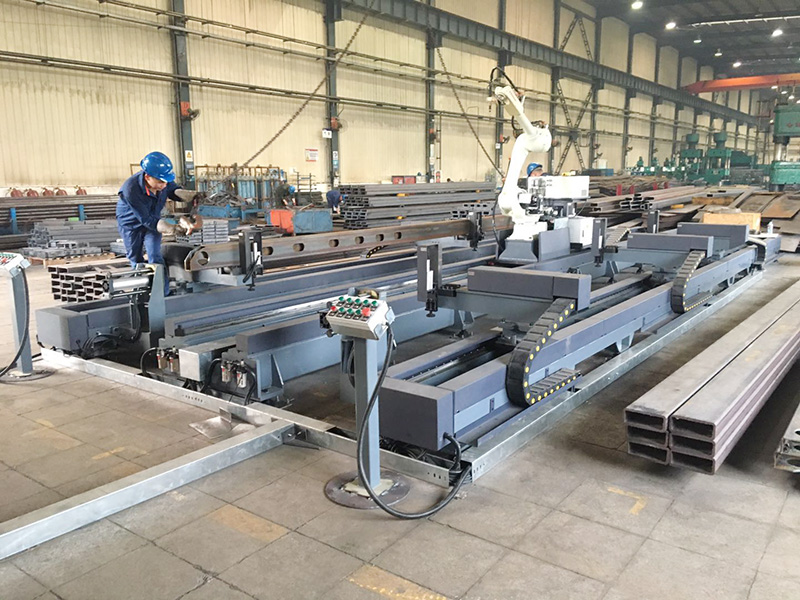
In the construction sector, automated welding is used for fabricating steel structures, bridge girders, pipelines, and precast concrete reinforcements. Robotic welding systems enable the mass production of standardized components with consistent quality, reducing on-site construction time and costs. For example, automated submerged arc welding (SAW) is widely used for joining large-diameter pipelines, achieving high deposition rates and weld integrity in outdoor environments.
4. Heavy Machinery and Equipment
Manufacturers of heavy machinery (e.g., agricultural equipment, construction machinery, mining vehicles) rely on automated welding to produce durable, high-strength components such as frames, booms, and hydraulic cylinders. The technology's ability to handle thick materials (up to 50 mm+) and complex joint geometries ensures that welds can withstand heavy loads and harsh operating conditions.
5. Energy Sector
In the energy industry, automated welding is used for fabricating power generation equipment (e.g., boilers, turbines), oil and gas pipelines, and renewable energy components (e.g., wind turbine towers, solar panel frames). The precision and consistency of automated welds are critical for ensuring the safety and efficiency of energy infrastructure, particularly in high-pressure or high-temperature applications.
Implementation Challenges and Considerations
While automated welding offers significant benefits, organizations must address several key challenges to ensure successful implementation:
1. High Initial Investment
The capital cost of automated welding systems—including robots, workcells, programming software, and integration—can be prohibitive for small and medium-sized enterprises (SMEs). Organizations must conduct a comprehensive cost-benefit analysis, considering factors such as production volume, labor costs, defect rates, and ROI timelines. Leasing or modular system configurations may provide a more accessible entry point for SMEs.
2. Maintenance and Technical Expertise
Automated welding systems require regular maintenance to ensure optimal performance, including calibration of robotic arms, replacement of consumables (e.g., welding torches, wire feeders), and software updates. Additionally, organizations need skilled personnel trained in robotic programming, system diagnostics, and process optimization. The shortage of qualified automation technicians can pose a barrier to adoption, highlighting the need for investment in training programs or partnerships with technical education institutions.
3. Flexibility and Adaptability
Traditional automated welding systems are optimized for high-volume, low-mix production. Adapting to changes in part design, material type, or production volume may require reprogramming, tooling changes, or system upgrades—processes that can be time-consuming and costly. To address this, manufacturers are increasingly adopting flexible manufacturing systems (FMS) and collaborative robots (cobots) that offer easier reprogramming and human-robot collaboration for low-volume, high-mix production.
4. Quality Assurance and Validation
While automated welding reduces defect rates, it does not eliminate them entirely. Organizations must implement robust quality assurance processes, including pre-production testing, in-process monitoring, and post-weld inspection, to ensure compliance with industry standards. Validating welding procedures (per ISO 15614) and qualifying operators are also critical steps to mitigate quality risks.
5. Integration with Existing Systems
Integrating automated welding systems with legacy manufacturing equipment (e.g., older conveyors, inspection tools) can be complex, requiring custom software interfaces or hardware modifications. Organizations should conduct a thorough assessment of their existing infrastructure prior to implementation, and consider working with system integrators with expertise in industrial automation.
Future Trends in Automated Welding
As technology continues to advance, automated welding systems are evolving to become more intelligent, flexible, and efficient. Key trends shaping the future of the industry include:
1. Artificial Intelligence (AI) and Machine Learning (ML) Integration
AI and ML algorithms are being increasingly integrated into automated welding systems to enable predictive maintenance, real-time defect detection, and adaptive parameter optimization. For example, ML models can analyze historical process data to identify patterns that precede equipment failures, enabling proactive maintenance and reducing downtime. Computer vision-based defect detection systems can identify weld flaws (e.g., cracks, porosity) in real time, triggering immediate process adjustments or rejecting non-conforming parts.
2. Collaborative Robotics (Cobots)
Cobots—robots designed to work safely alongside humans—are gaining traction in automated welding, particularly for low-volume, high-mix production. Unlike traditional industrial robots, cobots are lightweight, easy to program, and equipped with safety features such as force-torque sensors that stop operation if they come into contact with a human. This enables human operators to work alongside cobots, handling tasks such as part loading and quality inspection while the cobot performs welding, increasing flexibility and reducing setup time.
3. Digital Twin Technology
Digital twins—virtual replicas of physical welding systems and processes—are enabling manufacturers to simulate, optimize, and monitor welding operations in real time. By creating a digital twin of a welding workcell, engineers can test new programming strategies, simulate process variations, and identify potential bottlenecks without disrupting production. Digital twins also facilitate remote monitoring and troubleshooting, allowing technicians to access real-time data and make adjustments from anywhere in the world.
4. Additive Manufacturing (3D Printing) Integration
The convergence of automated welding and additive manufacturing (also known as wire arc additive manufacturing, WAAM) is enabling the production of complex, large-scale components with minimal material waste. WAAM systems use robotic welding technology to deposit layers of metal wire, building up parts from 3D CAD models. This approach is particularly valuable for aerospace and defense applications, where it can reduce lead times and material costs for large components such as aircraft wings or rocket boosters.
5. Sustainability and Energy Efficiency
As manufacturers strive to reduce their environmental footprint, automated welding systems are being designed to be more energy-efficient. This includes the use of high-efficiency power supplies, regenerative braking systems for robotic arms, and process optimization algorithms that minimize energy consumption. Additionally, the reduction in material waste achieved by automated welding contributes to sustainability goals, as less scrap metal needs to be recycled or disposed of.
Conclusion
Understanding the basics of automated welding is essential for organizations seeking to remain competitive in an increasingly global and technology-driven manufacturing landscape. By leveraging the precision, productivity, and safety benefits of automated welding systems—from robotic welding and intelligent workcells to advanced RAWS—manufacturers can enhance product quality, reduce costs, and improve operational efficiency across a wide range of applications. While implementation challenges such as high initial investment and technical expertise requirements must be addressed, the long-term benefits of automated welding far outweigh these barriers.
As technology continues to advance, the integration of AI, ML, cobots, and digital twins will further expand the capabilities of automated welding, enabling even greater flexibility, efficiency, and sustainability. For industries ranging from automotive and aerospace to construction and energy, automated welding is not just a technological upgrade—it is a strategic investment in the future of manufacturing. By embracing automated welding and staying abreast of emerging trends, organizations can position themselves to thrive in the next era of industrial innovation.