







© 2025 JiangSu Dade Heavy Industry Co.Ltd. All Rights Reserved.Web Design by Wangke

Release time:2025-05-21 Visits:1096
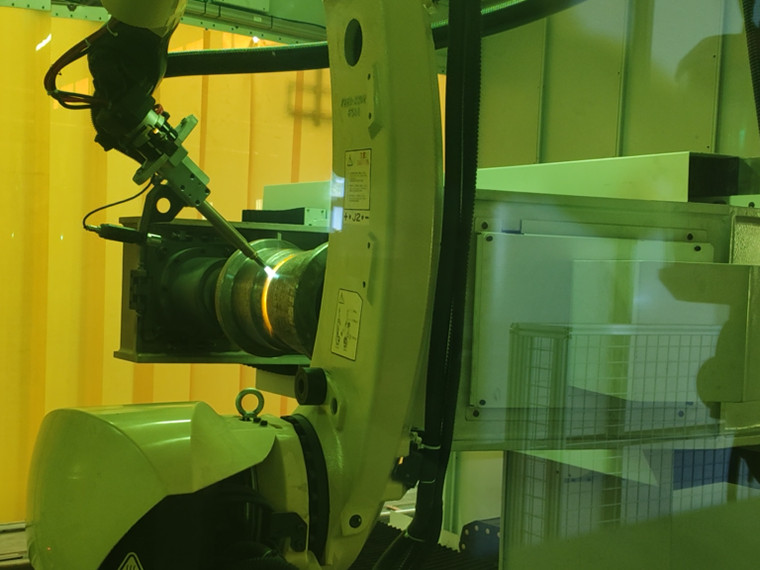
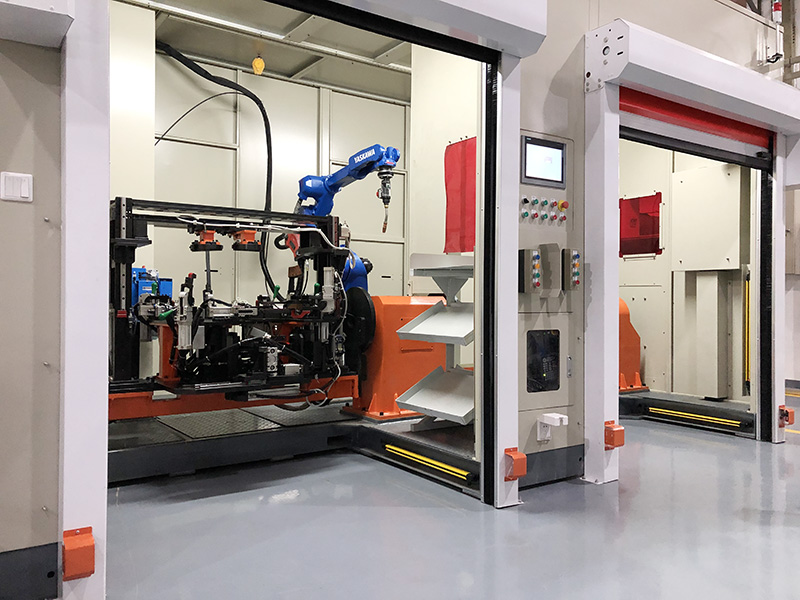
Laser welding robots differ from arc welding robots in measurable ways: heat-affected zone, deformation, delivery of energy to the joint, and the resulting weld quality. These six characteristics define what the technology can and cannot do.
| Adjustable focus | Laser power and focus size are adjusted according to the processing requirement, with real-time monitoring of the process, which opens up a wide range of application possibilities. |
|---|---|
| High power, low distortion | High laser power produces a small heat-affected area, minimal deformation and fast welding speed. |
| Fibre delivery to distant stations | Laser light can be transmitted through small-diameter optical fibre to distant workstations, so the robot can weld workpieces far from the source. |
| Weld quality | The weld seam is high quality, smooth and aesthetically clean, free of porosity, with joint toughness at least equivalent to the parent material. |
| Minimal thermal impact | Short-term local heating has little thermal effect on the substrate and surrounding components, and solder joint quality is good. |
| Reduced tooling investment | Laser welding robot equipment saves a large amount of sample and tooling equipment, cuts workshop area roughly in half, and reduces capital investment. |
Because welded workpieces deform only minimally and joints have almost no gap, laser welding robots achieve higher welding depth and width than traditional methods, which translates directly into higher weld quality.
Automated laser welding becomes achievable by adjusting welding process parameters through feedback control. That feedback loop is what separates a laser welding robot from a laser welder used manually.
Laser welding robots feature adjustable laser power and focus size with real-time monitoring, high power with a small heat-affected area and minimal deformation, fibre delivery of light energy to distant workstations, smooth pore-free welds with parent-material toughness, minimal thermal impact on surrounding components, and significantly reduced tooling and floor-space investment.
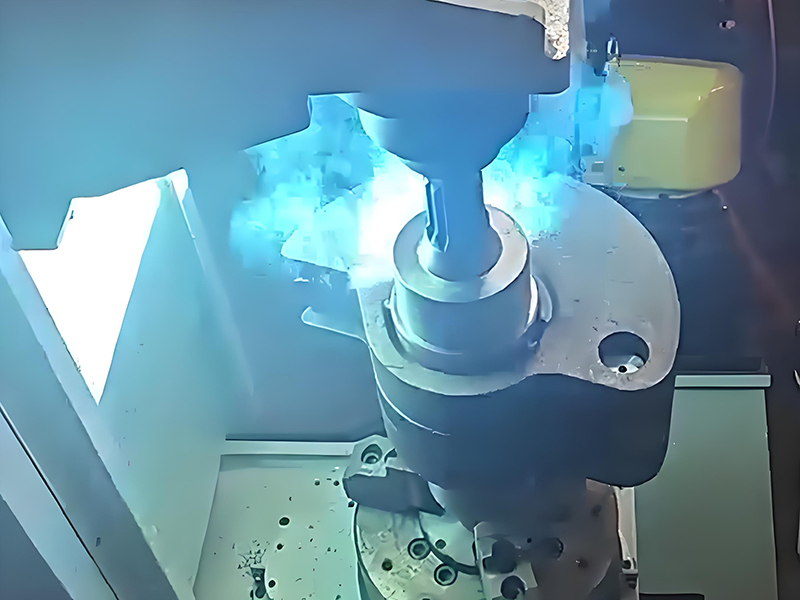
Laser welding delivers short-term local heating, so the heat-affected area stays small and the thermal effect on the substrate and surrounding components is minimal. That limits distortion compared with processes that heat a broader area.
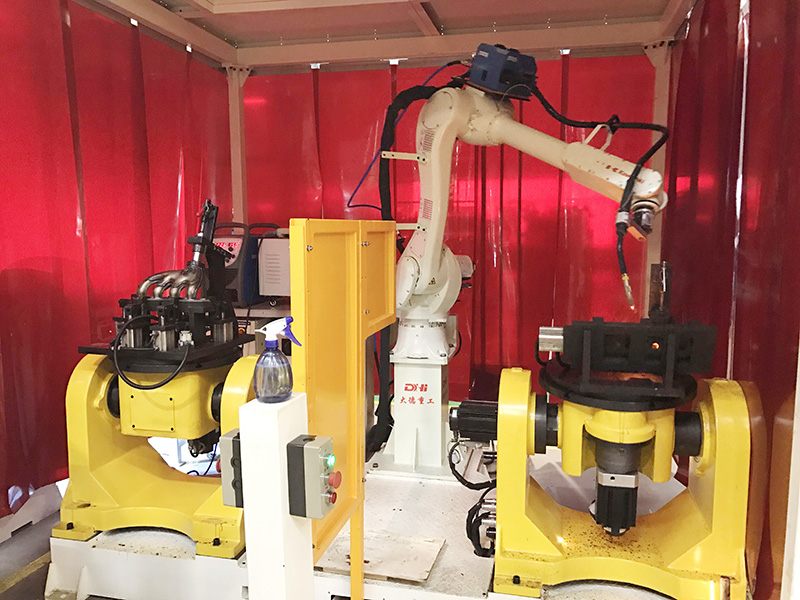
Laser welding robot equipment can save a large amount of sample and tooling equipment and reduce workshop area by roughly half, which lowers capital investment. It reduces tooling demand rather than eliminating fixtures entirely.
Laser welding robots produce weld seams that are high quality, smooth and beautiful, without porosity, and the toughness of the welded material is at least equivalent to that of the parent material.
Explore our full range of laser welding robot workstations.




