







© 2025 JiangSu Dade Heavy Industry Co.Ltd. All Rights Reserved.Web Design by Wangke

Release time:2025-06-12 Visits:961
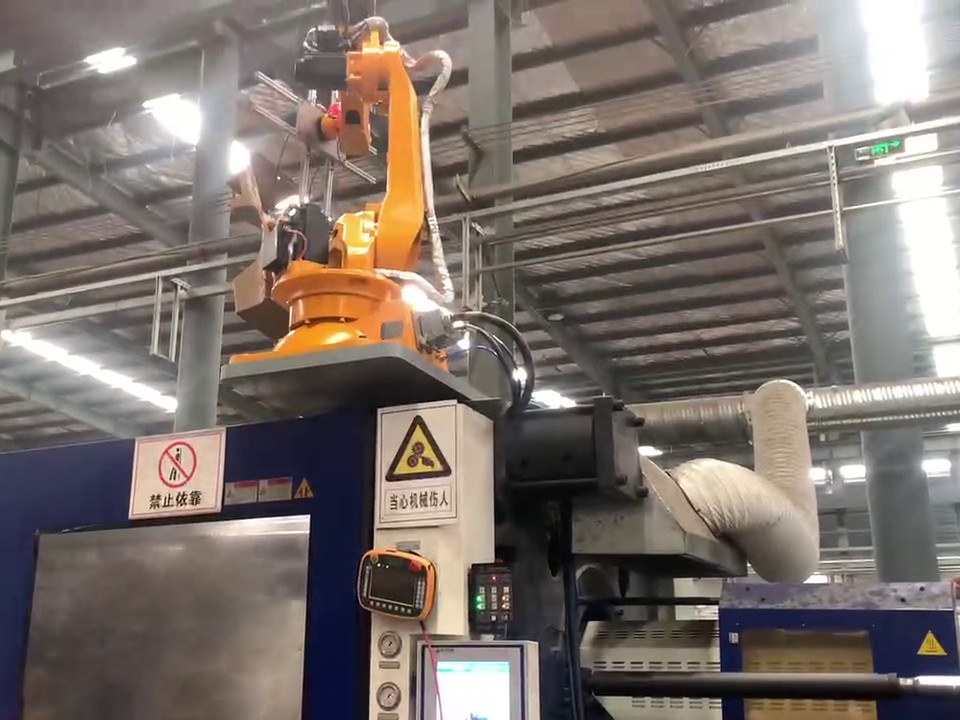
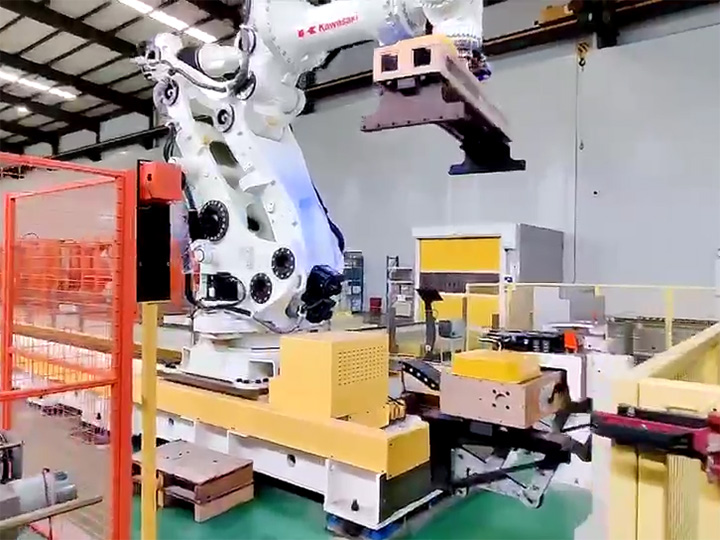
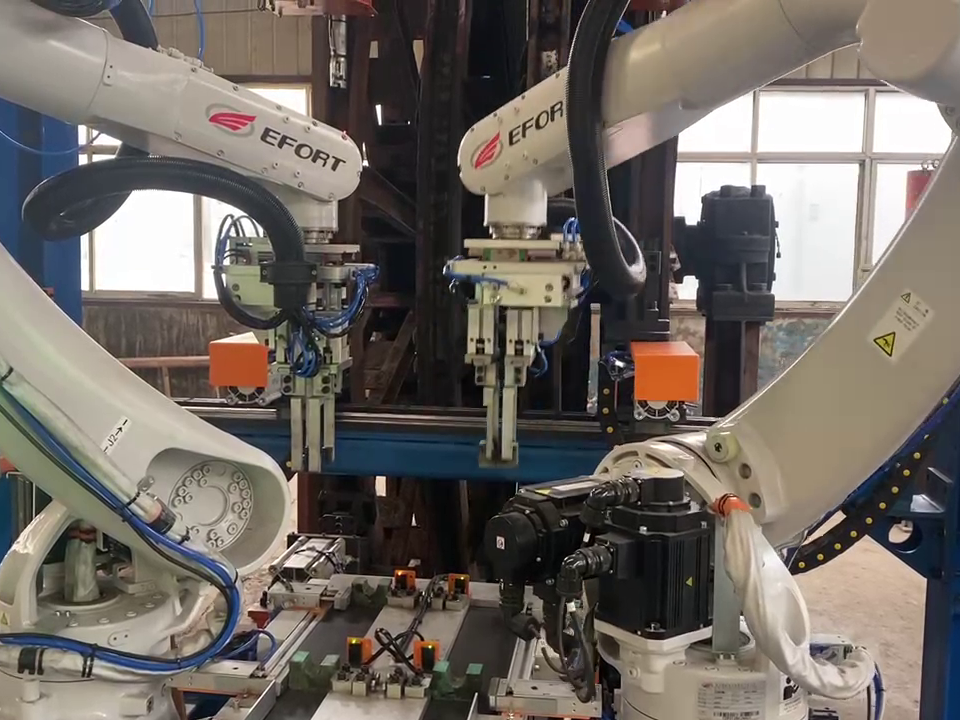
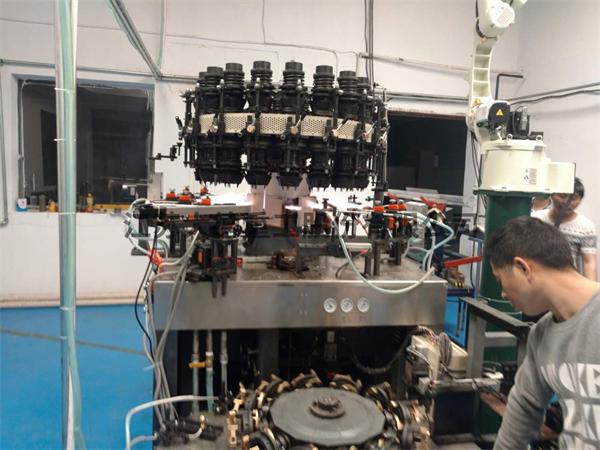
Automatic welding machines are highly integrated equipment with motor control technology, single - chip microcomputer control technology, PLC (Programmable Logic Controller), and numerical control technology at their core. Its system consists of five major functional modules:
1. Automatic Workpiece Loading and Unloading Mechanism: It realizes the efficient transportation and recovery of welding materials, reducing manual intervention.
| 2. Workstation Conversion Mechanism | It supports multi - angle welding requirements and adapts to the processing of complex workpieces. |
|---|---|
| 3. Automatic Clamping System | It uses sensors for precise positioning to ensure welding stability. |
| 4. Automated Welding Process Module | It integrates databases of various process parameters such as argon arc welding, submerged arc welding, and laser welding. |
| 5. Central Integrated Control Platform | It uses a digital interface to uniformly regulate the process flow and supports the linkage of multiple devices. |
Automatic welding machines have covered multiple core industrial fields. Different processes can specifically solve industry pain points:
| 1. Improved Quality Stability | Digital control keeps the fluctuations of welding current and voltage within +/-1.5%, and reduces the defect rate of pores and inclusions by over 80%. |
|---|---|
| 2. Breakthrough in Production Efficiency | The automated system supports 24 - hour continuous operation, increasing the efficiency by 3 - 5 times compared with manual welding and shortening the construction cycle of long - distance pipelines by 60%. |
| 3. Optimized Comprehensive Cost | A single device can replace 4 - 6 welders, reducing the welding material consumption rate by 15% - 30% and controlling the rework rate within 1%. |
| 4. Revolution in Safety | It supports remote operation in high - risk environments, reducing the time welders are exposed to harmful fumes by 90% and completely avoiding the risk of arc burns. |
| 1. Light - duty Processing Scenarios | Gas - less MIG welders are suitable for family workshops and small repair stations, supporting 220V voltage without the need for an external gas cylinder. |
|---|---|
| 2. Heavy - duty Industrial Demands | Submerged arc welding machines are suitable for steel structure and shipbuilding, with a maximum output current of up to 1250A. |
| 3. Precision Manufacturing Field | Laser welding machines achieve 0.1mm - level precision machining and are widely used in electronic components and medical devices. |
| 4. Mobile Construction Scenarios | Cantilever - type welding manipulators equipped with electric pallets can perform high - altitude circular seam welding in petrochemical installation areas. |
Automatic welding machines are highly integrated equipment with motor control technology, single - chip microcomputer control technology, PLC (Programmable Logic Controller), and numerical control technology at their core. Its system consists of five major functional modules:
[[LINK:https://www.dadehi.com/post-processing-within-the-cloud.html|Automatic welding machines]] have covered multiple core industrial fields. Different processes can specifically solve industry pain points:
1. Improved Quality Stability: Digital control keeps the fluctuations of welding current and voltage within +/-1.5%, and reduces the defect rate of pores and inclusions by over 80%.
1. Light - duty Processing Scenarios: Gas - less MIG welders are suitable for family workshops and small repair stations, supporting 220V voltage without the need for an external gas cylinder.
Explore our full range of robotic welding systems.
The machines behind these processes are listed in industrial automation equipment.




