Automatic Welding Equipment: Types, Benefits And How To Choose
Release time:2026-09-21
Visits:3
Automatic welding equipment takes the torch out of the welder's hands and puts the weld sequence under machine control. The result is the same weld profile every time, at a higher duty cycle, with fewer rejects and less dependence on skilled labor. This article maps the main types of automatic welding equipment, what each one does, and how to decide which level of automation fits your shop.
What Counts as Automatic Welding Equipment
Automatic welding equipment is any machine that performs the weld without continuous manual guidance. The spectrum runs from a simple seam welder with a motorized carriage, through programmable manipulators and positioners, up to multi-station robotic welding lines. What they share is simple: the welding parameters, the travel speed and the torch path are set in advance and repeat automatically.
Main Types of Automatic Welding Equipment
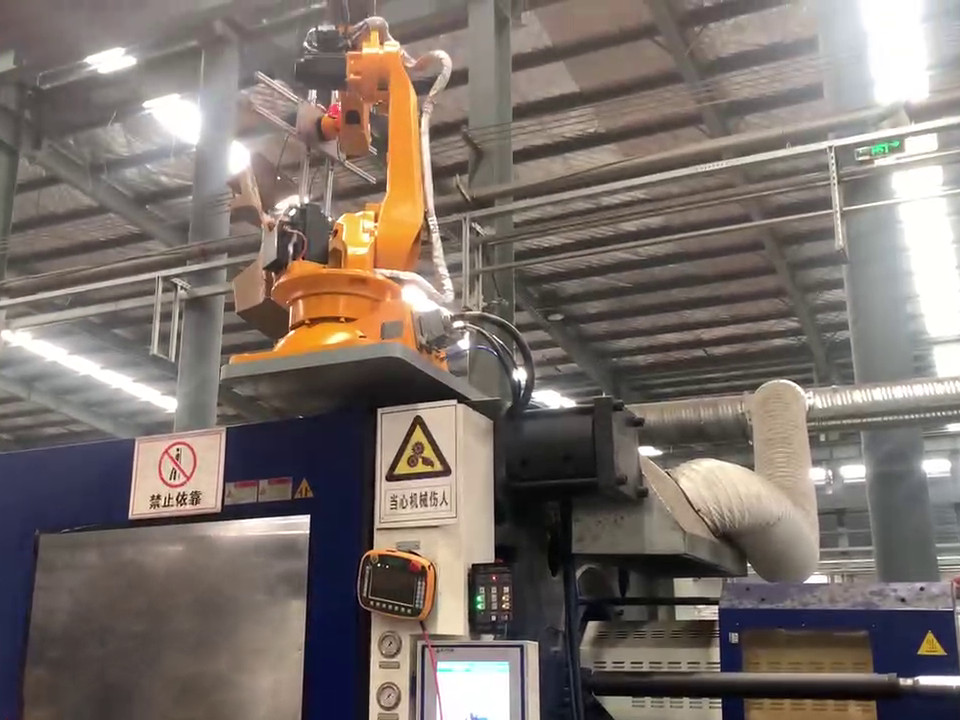
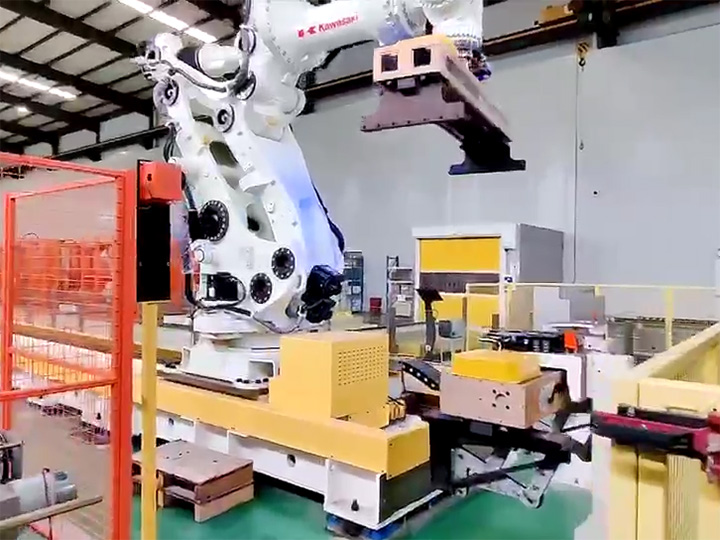
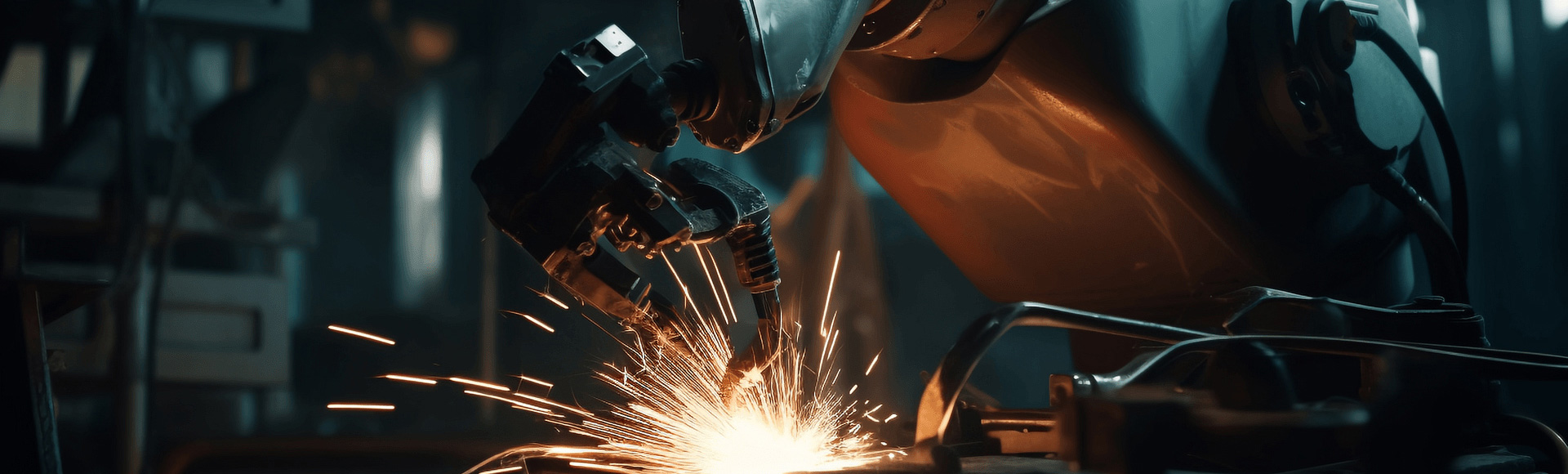
Robotic welding workstations. A six-axis robot carries the torch, or the part, and tracks seams that would be impractical to mechanize. This is the most flexible category.
Dedicated automatic welding machines. Machines built for one joint type: longitudinal seam welders, circular seam welders, orbital pipe welders and spot welding machines. Fast and simple, but limited to their design job.
Welding manipulators and positioners. A column-boom manipulator holds the torch and traverses long seams; a positioner rotates the workpiece so every weld is made in the downhand position. They multiply the output of a single welder.
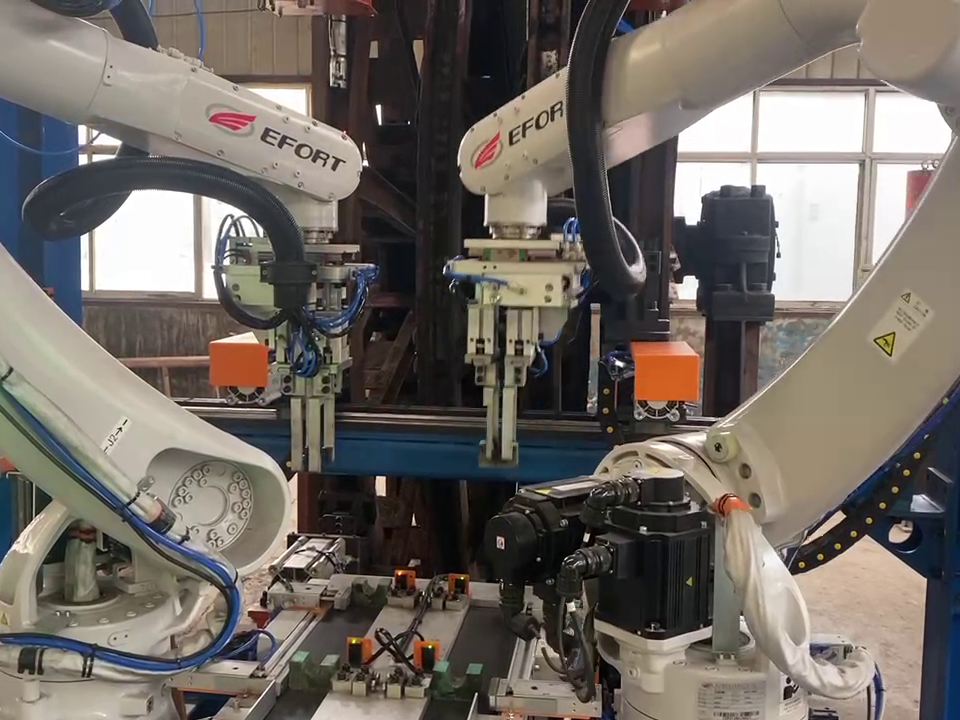
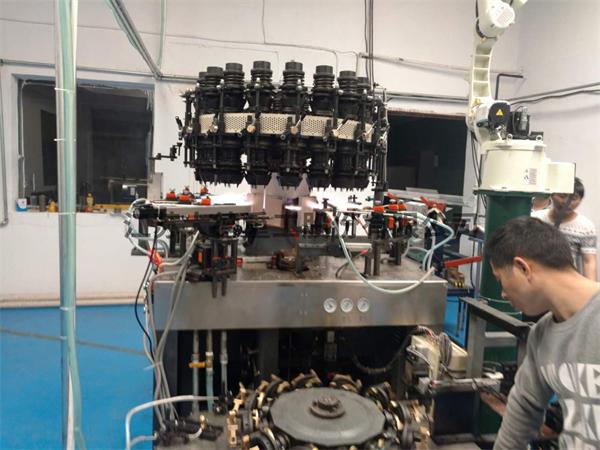
Automated welding production lines. Several stations linked by conveyors, robots or transfer systems, each doing one step of the process. Used for chassis frames, exhaust systems, tanks and similar repeat products.
Core Components
Every automatic system shares the same building blocks: a welding power source (MIG, TIG, submerged arc or laser), a wire feeder or filler handling system, a motion system, a controller, and sensors. The controller is what separates automation from mechanization. It sequences the process, monitors parameters such as current, voltage and travel speed, and raises an alarm when something drifts out of range.
Sensors matter more than most buyers expect. Touch sensing finds the joint, seam tracking follows it, and arc voltage control keeps the torch height steady on uneven parts. Without them, an automatic system only repeats; with them, it adapts.
Why Manufacturers Automate Welding
Consistency. Parameters do not drift with fatigue or shift changes. Weld quality is uniform across the day.
Output. A machine runs at an 80-100 percent duty cycle. A manual welder, with repositioning and rest breaks, typically delivers 20-40 percent arc time.
Labor. One operator can supervise several stations. This matters as skilled welders become harder to find.
Traceability. Process data can be logged per weld, which supports quality records and customer audits.
How to Choose the Right Equipment
Decide by part geometry, batch size and joint repeatability:
One joint type, high volume: a dedicated welding machine.
Many joints, varying parts: a robotic welding workstation.
Large, heavy parts: a manipulator plus positioner, with the welder at the torch end.
A complete product with several weld operations: an automated welding line.
Then match the process. MIG covers most steel fabrication. TIG or orbital welding suits clean, thin or high-integrity joints. Laser welding wins where heat input, speed or appearance matters. Submerged arc handles thick sections and long seams. The process choice often decides the rest of the system.
Automation Levels
Mechanized equipment uses motorized travel with manual control. Programmable machines store weld recipes and repeat them. Robotic systems add multi-axis motion and offline programming. Integrated lines connect stations to a PLC or MES, so part data, welding parameters and quality results flow together. Most shops start at the programmable level and grow.
Where Automatic Welding Equipment Pays Off
Automotive and construction machinery makers run robotic cells and lines around the clock. Pressure vessel and structural steel shops use manipulators and submerged arc to weld long seams that manual welding would tie up for hours. Appliance and furniture plants use dedicated seam welders for repeat joints. In each case the payback comes from the same place: more arc time, fewer defects, and less rework.
Bottom Line
Start with the joint, not the machine. Define the part family, the weld positions and the volumes, and the right type of automatic welding equipment follows. Dade Heavy Industry supplies robotic welding workstations, automatic welding lines and welding positioners across industries such as automotive, construction machinery and shipbuilding, and can advise on the level of automation that pays back first.