







© 2025 JiangSu Dade Heavy Industry Co.Ltd. All Rights Reserved.Web Design by Wangke
Release time:2025-05-21 Visits:991
Welding robot technology is a key component of modern manufacturing. Its impact comes from two things: the sensing and positioning technology that lets the robot find the seam, and the breadth of industries that now depend on it.
A welding robot is only as accurate as its ability to know where the joint is. Four technologies handle that.
| Vision systems | Cameras capture images and an image processing unit identifies the weld seam position, guiding the robot to weld accurately. |
|---|---|
| Laser rangefinders | Calculate distance by measuring the reflection time of a laser beam, maintaining positioning accuracy throughout the welding process. |
| Inertial navigation systems | Monitor the robot’s own motion status through inertial sensors, improving accuracy and stability. |
| Wireless sensor networks | Sensor nodes monitor the surrounding environment, further improving welding accuracy and stability. |
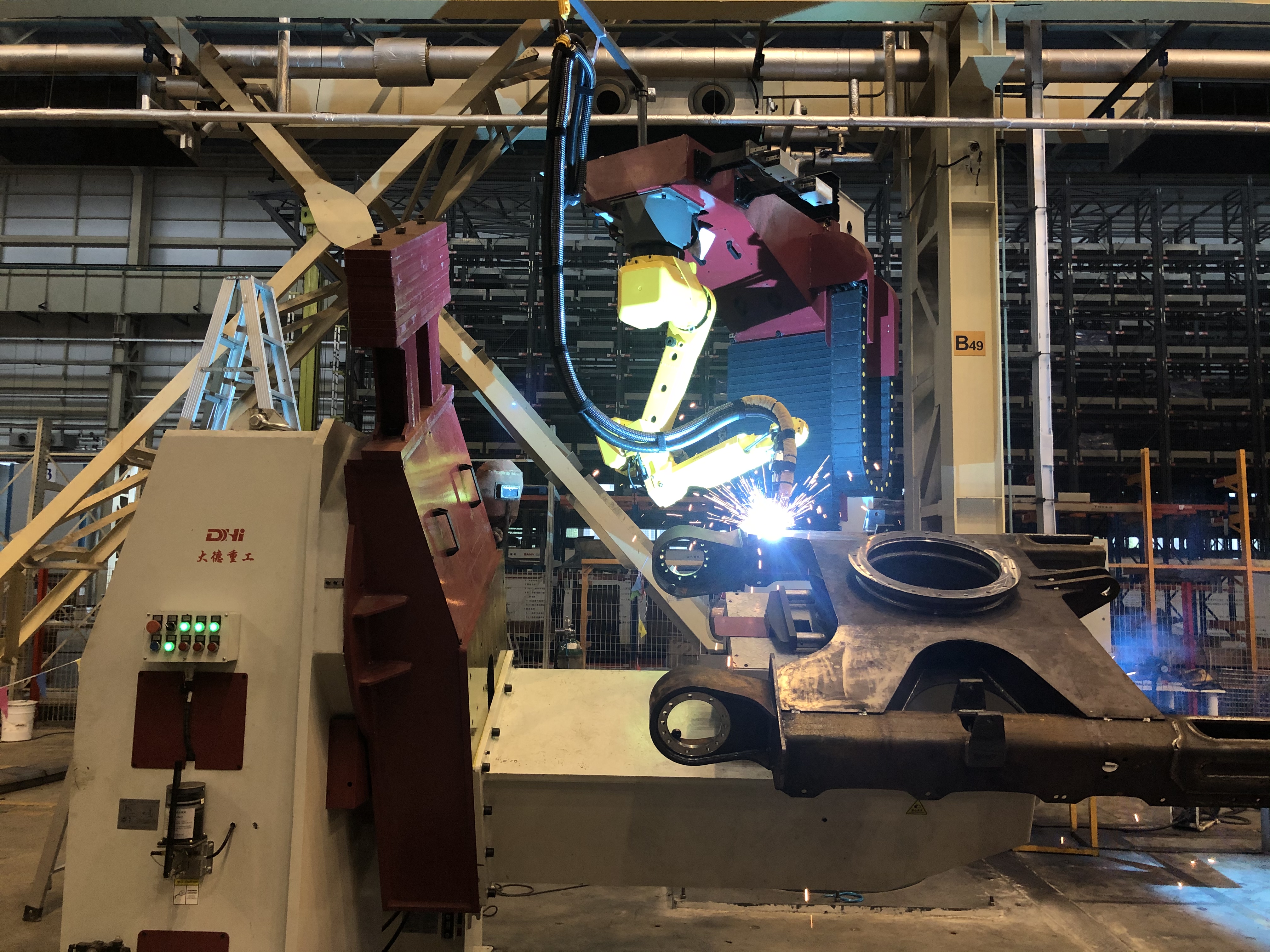
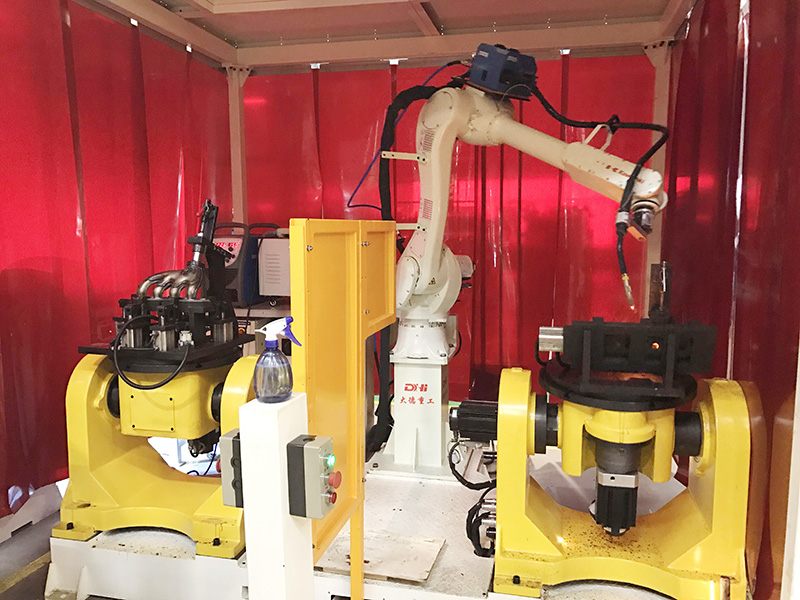
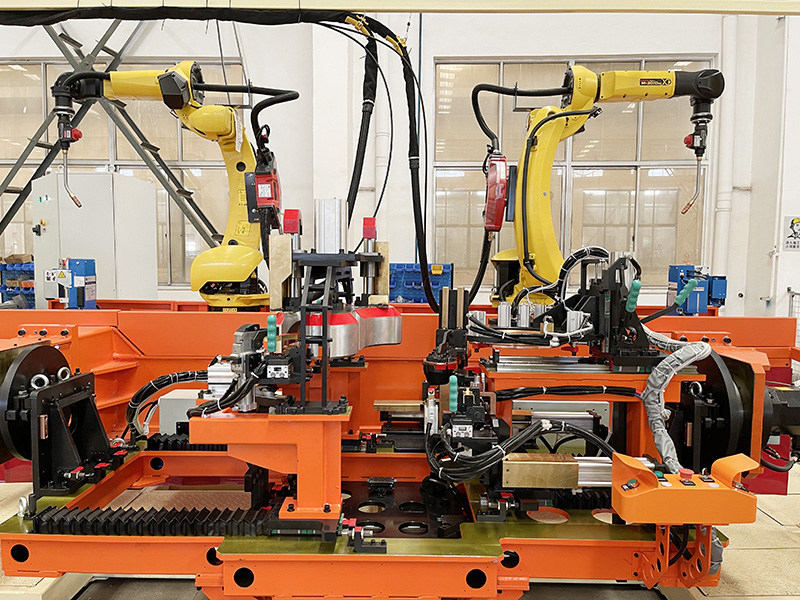
Welding robots have penetrated mechanical manufacturing, automotive manufacturing and electronic equipment production.
Welding robots are moving toward greater intelligence and autonomy. Artificial intelligence and machine learning let robots process large volumes of past welding data to optimise parameters and predict welding results. That shifts the robot from repeating a taught path to improving the path over time.
Welding robots achieve precise positioning through vision systems that identify the weld seam, laser rangefinders that measure distance by beam reflection time, inertial navigation systems that monitor motion status, and wireless sensor networks that monitor the surrounding environment.
Welding robots are widely used in mechanical manufacturing for structural components, containers and frames; in automotive manufacturing for gearboxes, engines and chassis; and in electronic device manufacturing for accurate small-component welding.
Artificial intelligence and machine learning allow welding robots to process large amounts of historical welding data, optimise welding parameters, and predict welding results. This pushes robots toward more intelligent and autonomous operation rather than simple path repetition.
Positioning accuracy determines whether the welding gun lands on the joint. Vision systems, laser rangefinders, inertial navigation and wireless sensor networks all exist to answer one question accurately: where is the seam right now.
Explore our full range of turnkey welding cells.