







© 2025 JiangSu Dade Heavy Industry Co.Ltd. All Rights Reserved.Web Design by Wangke

Release time:2025-07-02 Visits:1127
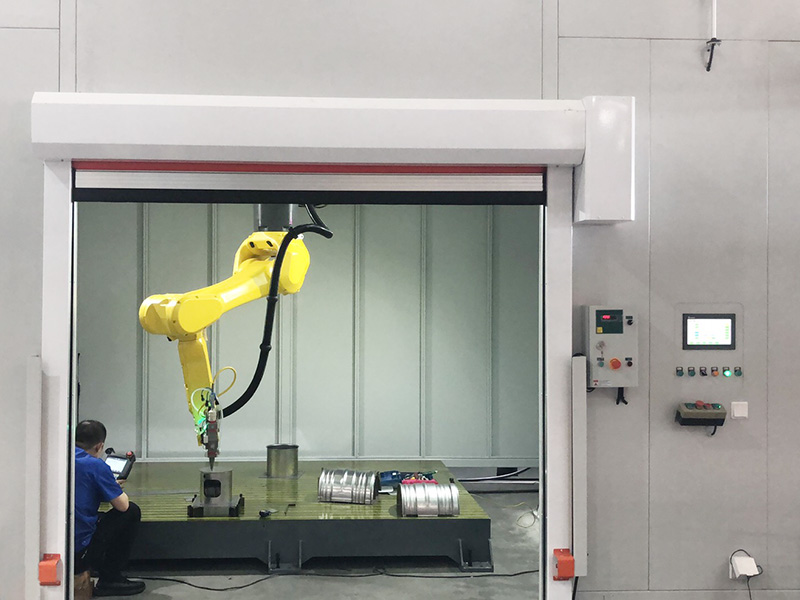
As the core equipment for automated welding, the types of welding workstations are mainly determined by welding processes and application scenarios. Currently, the mainstream classifications in the market include:
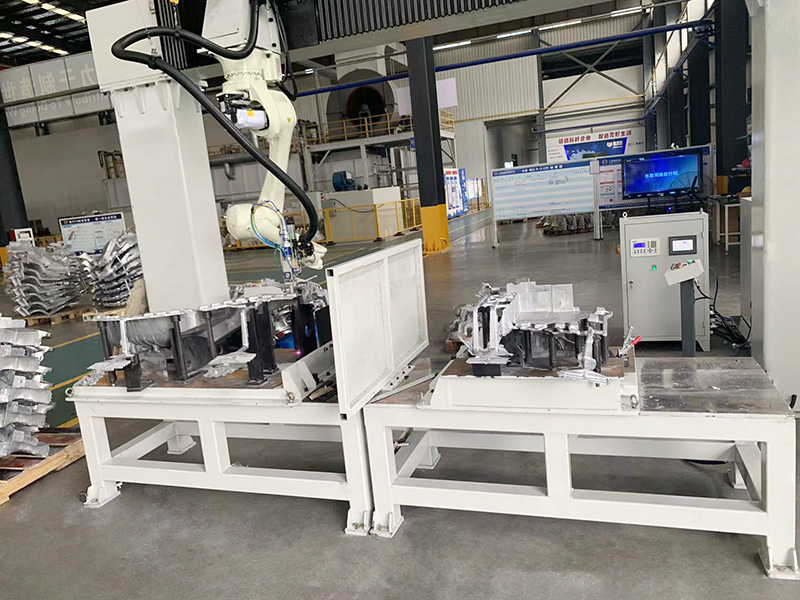
Designed specifically for the cabinet industry, it is suitable for welding large - sized workpieces such as electrical control cabinets and air - tight boxes. This workstation adopts a double - station positioner structure, which supports simultaneous welding and workpiece disassembly and assembly operations, with an efficiency increase of over 30%. The core configuration includes a six - axis industrial robot and a MIG/CMT welding system. Through intelligent control, it can achieve weld seam sealability detection, making it particularly suitable for high - precision welding scenarios such as stainless steel.
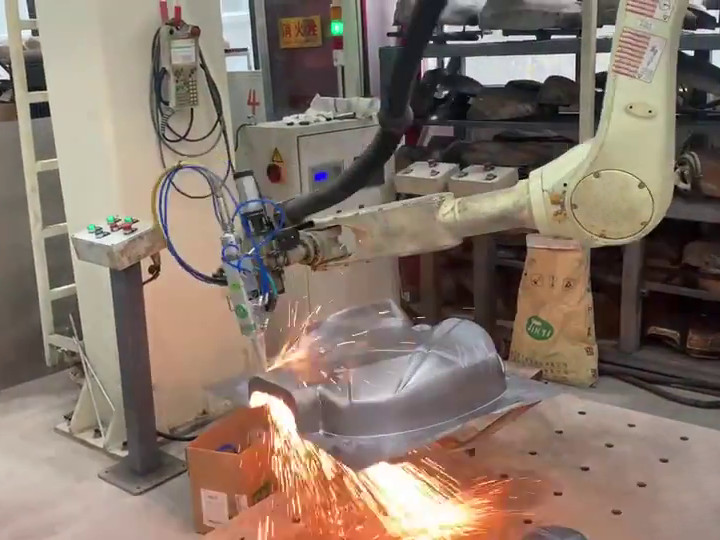
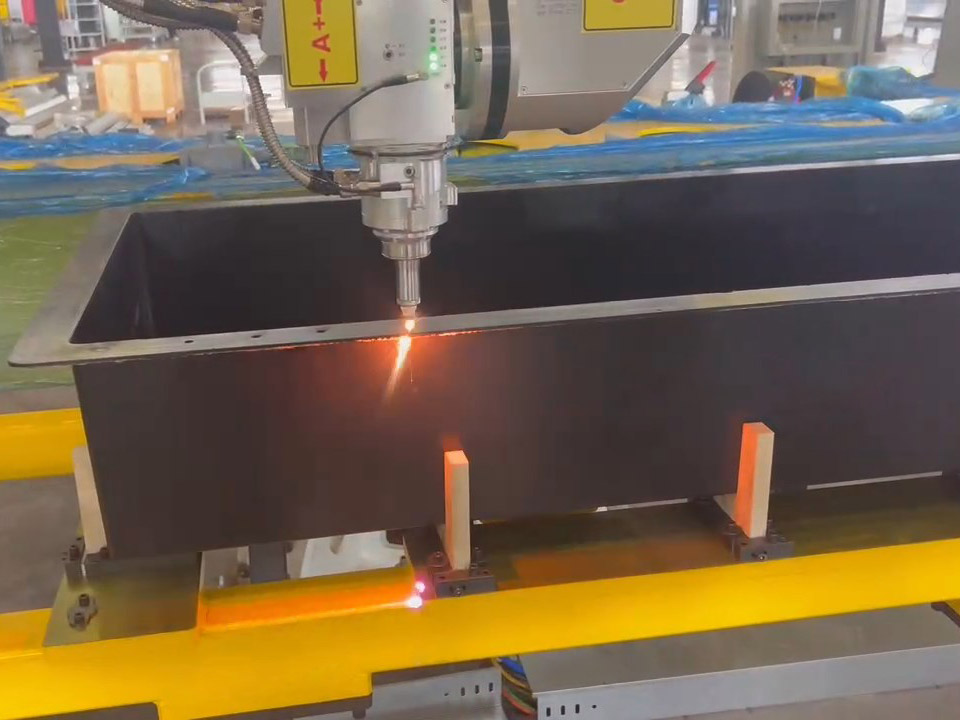
It uses a fiber laser and a five - axis linkage system, suitable for precision welding of 5G base station metal shells, automobile bodies, etc. The heat - affected zone of laser beam welding is only 1/3 of that of traditional processes, and it supports a plate gap of 0.2 - 0.5mm. With a vision positioning system, it can achieve a repeat positioning accuracy of +/-0.1mm.
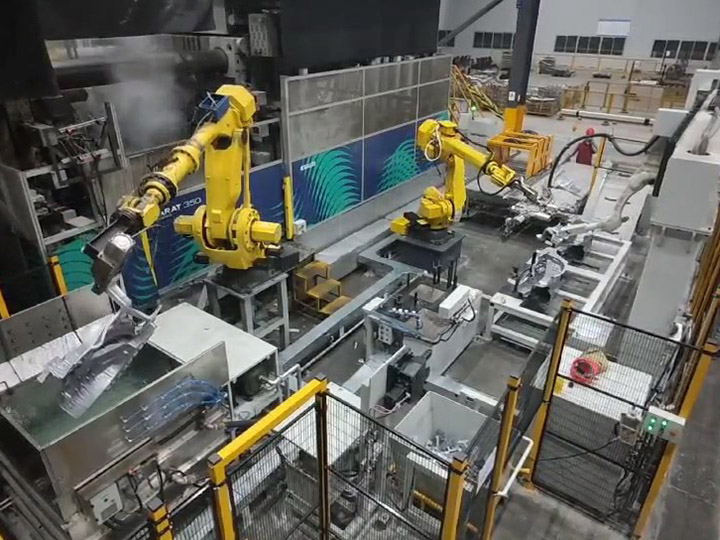
Widely used in the automobile manufacturing field, by integrating a spot welding gun and an arc welding module, it can complete the strength welding and decorative welding of the body frame. Servo drive technology shortens the single - point welding time to 0.3 seconds, with an efficiency increase of over 5 times compared to manual work.
In - depth Analysis of Price Influencing Factors
The quotes for welding workstations can range from 200,000 to 3 million yuan, mainly depending on the following factors:
| Process System | The cost of laser welding equipment is 60% - 80% higher than that of traditional arc welding. The technical premium of core components such as three - dimensional five - axis laser heads is significant. |
|---|---|
| Automation Level | Workstations equipped with a seventh - axis guide rail and visual inspection are 40% - 50% more expensive than basic models. |
| Premium of Domestic Brands | The price of imported brands (such as European brands) for the same - specification equipment is usually 1.5 - 2 times that of domestic brands. |
| Industry Customization Degree | The double - station system required for sealing box welding can increase the equipment cost by 15% - 20%. |
| 1. Evaluation of Process Matching Degree | For box - type workpieces, a double - station rotary system is preferred. For thin - plate welding, CMT cold metal transfer technology is recommended. |
|---|---|
| 2. Verification of Supplier Technology | Request the mechanical performance report of welding sample workpieces, and focus on testing the tensile strength and air - tightness of the weld seams. |
| 3. Confirmation of System Expandability | Confirm whether the workstation supports the installation of intelligent modules such as weld seam tracking and quality monitoring. |
| 4. Test of After - sales Response Ability | Assess the spare parts inventory rate of the manufacturer and the response speed of the remote diagnostic system. |
Industry data shows that using a standard welding workstation can reduce the enterprise's welding cost by 28% and increase the non - defective rate to over 98.5%. It is recommended to conduct on - site welding tests and comparisons among at least three manufacturers before purchase, and focus on the stability performance of the equipment after continuous operation for 8 hours.
As the core equipment for automated welding, the types of welding workstations are mainly determined by welding processes and application scenarios. Currently, the mainstream classifications in the market include:
Designed specifically for the cabinet industry, it is suitable for welding large - sized workpieces such as electrical control cabinets and air - tight boxes. This workstation adopts a double - station positioner structure, which supports simultaneous welding and workpiece disassembly and assembly operations, with an efficiency increase of over 30%.
Widely used in the automobile manufacturing field, by integrating a spot welding gun and an arc welding module, it can complete the strength welding and decorative welding of the body frame. Servo drive technology shortens the single - point welding time to 0.3 seconds, with an efficiency increase of over 5 times compared to manual work.
1. Evaluation of Process Matching Degree: For box - type workpieces, a double - station rotary system is preferred. For thin - plate welding, CMT cold metal transfer technology is recommended.
Explore our full range of robotic welding cells.
See welding workstations and production lines for models and capacities.




