







© 2025 JiangSu Dade Heavy Industry Co.Ltd. All Rights Reserved.Web Design by Wangke

Release time:2025-06-12 Visits:989
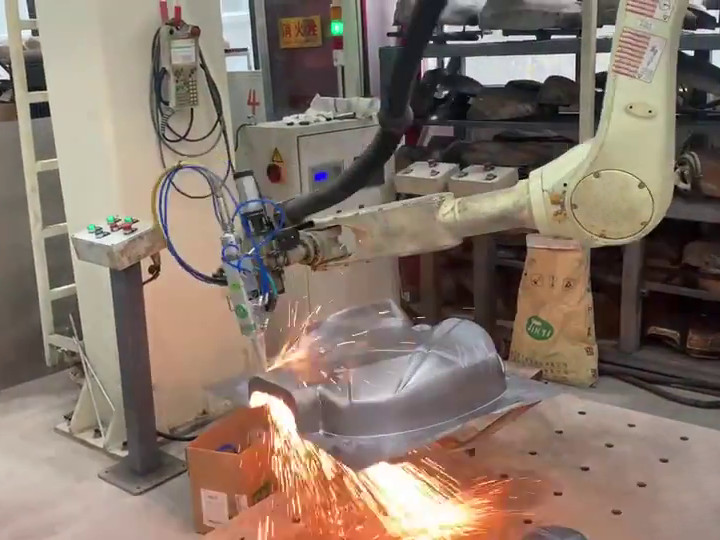
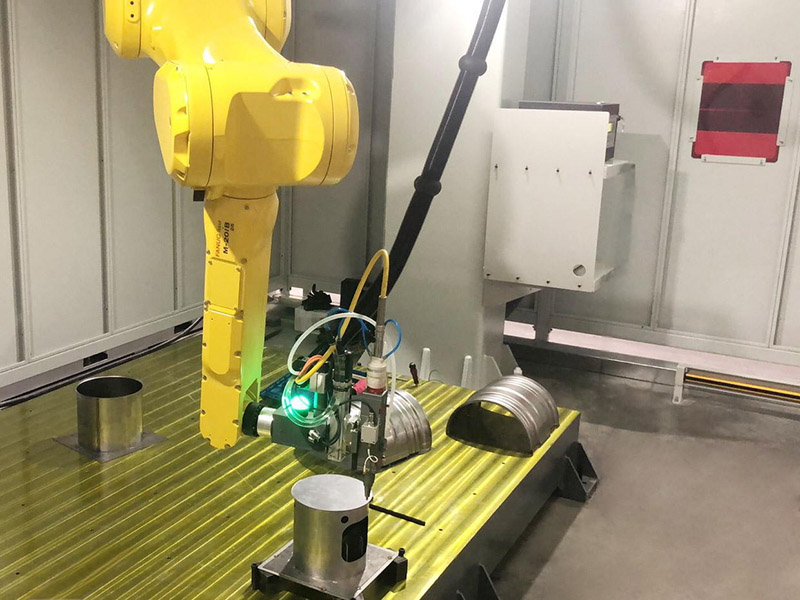
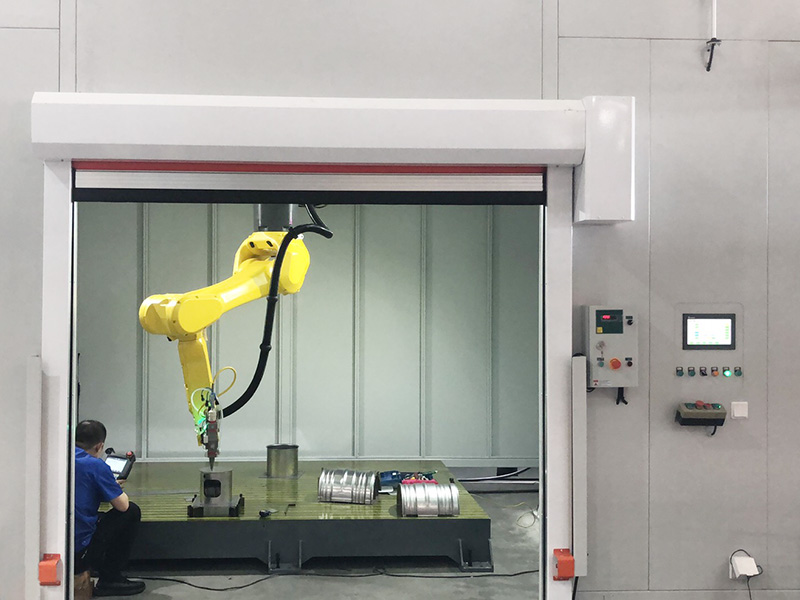
A laser spot welder is a non-contact welding device based on a high-energy laser beam. Its working principle is to generate a high-intensity laser beam through a laser generator, which is then focused by an optical system and acts on the metal surface, causing the material to melt instantly and form a firm weld spot. This technology has the following core advantages:
| 1.High-precision Control | The laser beam can be focused to the micrometer level, enabling ultra-fine welding, which is especially suitable for the processing of tiny parts and precision instruments. |
|---|---|
| 2.High Efficiency and Energy Saving | The welding speed is 2 - 10 times that of traditional methods, and there is no electrode loss. Long-term use can reduce energy consumption costs. |
| 3.Small Heat-affected Zone | Precise energy output significantly reduces material deformation and ensures the structural integrity of the workpiece. |
| 4.Wide Material Compatibility | It can process various metals such as stainless steel, aluminum alloy, titanium alloy, gold, and silver, meeting the cross-industry needs. |
Laser spot welding technology has penetrated into multiple high-end manufacturing fields. Typical applications include:
| -Automobile Manufacturing | It is used in vehicle body structure welding, battery module packaging, etc., to improve the lightweight and safety of new energy vehicles. |
|---|---|
| -Aerospace | It is used to weld aircraft engine components and spacecraft composite materials, meeting the requirements of high strength and lightweight. |
| -Medical Equipment | It is applied to the welding of surgical instruments and implants to ensure a sterile environment and biocompatibility. |
| -Consumer Electronics | It is used for precision processing such as sealing welding of mobile phone middle frames and packaging of circuit board components, improving product durability. |
| -Jewelry and Micro-devices | It solves industry problems such as hole filling in precious metal jewelry and hairspring welding in watches. |
When selecting a laser spot welder, the following factors need to be comprehensively considered:
| 1.Power Range | Low-power devices (50 - 300W) are suitable for thin material welding, while high-power devices (above 1000W) can handle thick plates or highly reflective materials. |
|---|---|
| 2.Wavelength Characteristics | Fiber lasers (1060nm) are suitable for metal welding, and green lasers (532nm) are used for highly reflective materials. |
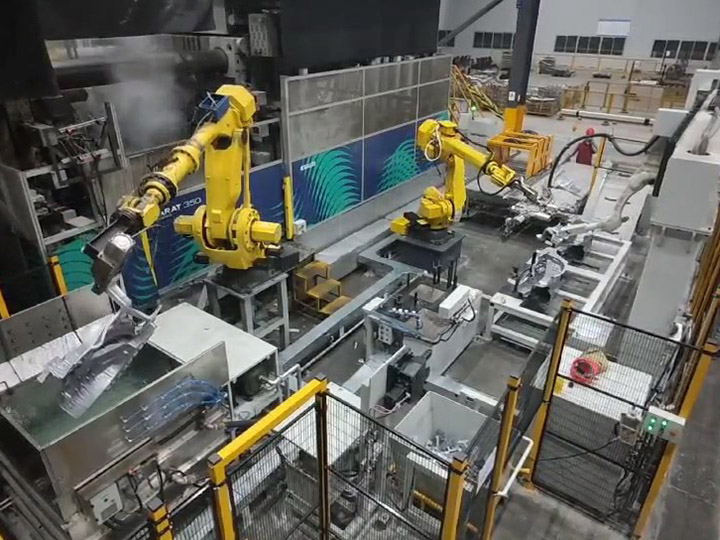
| 3.Automation Level | Models equipped with a CCD positioning system can achieve full-process automation to meet the needs of large-scale production. |
With the upgrading of the manufacturing industry, laser spot welding technology shows three major development directions:
| 1.Intelligent Integration | Combining AI algorithms and machine vision to achieve real-time monitoring of weld seams and adaptive parameter adjustment. |
|---|---|
| 2.High-power Breakthrough | The research and development of high-power lasers promotes the improvement of welding efficiency and can handle thicker and higher-strength materials. |
| 3.Green Manufacturing | Its characteristics of no exhaust gas emission and low energy consumption are highly consistent with environmental protection policies, contributing to sustainable production. |
To ensure the long-term stable operation of the equipment, the following maintenance measures need to be carried out regularly:
| -Optical System Cleaning | Use a dust-free cloth to clean the focusing lens to avoid laser energy attenuation. |
|---|---|
| -Cooling Detection | Monitor the temperature and flow rate of the water-cooling system to prevent the laser generator from overheating. |
| -Consumable Replacement | Replace the protective lens and nozzle in time to ensure the consistency of welding quality. |
A laser spot welder is a non-contact welding device based on a high-energy laser beam. Its working principle is to generate a high-intensity laser beam through a laser generator, which is then focused by an optical system and acts on the metal surface, causing the material to melt instantly and form a firm weld spot. This technology has the following core advantages:
[[LINK:https://www.dadehi.com/3d-laser-cutting-robot-workstation.html|Laser spot welding technology]] has penetrated into multiple high-end manufacturing fields. Typical applications include:
When selecting a laser spot welder, the following factors need to be comprehensively considered:
With the upgrading of the manufacturing industry, laser spot welding technology shows three major development directions:
To ensure the long-term stable operation of the equipment, the following maintenance measures need to be carried out regularly:
Explore our full range of spot and seam welding machines.
Hardware for this process includes the DP series spot welding machine.




